Tel 0571 568 147
Fax 0571 568 132

vb@vincibiochem.it
LogoVB 


  New Products

 
()5,6-DHET Lipid Maps MS Standard   CAY-10007264
 
Epoxide hydrolases convert the EETs into vicinal diols, with the concurrent loss of much of their biological activity. ()5,(6)-DHET is a substrate for sheep seminal vesicle COX, producing 5,6-dihydroxy prostaglandin E1 and F1α metabolites in vitro.
(-)-AS 115 CAY-13250
 
AS 115 is a potent and selective inactivator of KIAA1363, displaying an IC50 value of 150 nM when tested as a racemic mixture in the invasive ovarian cancer cell line SK0V-3. Treatment of SKOV-3 cells with 10 M AS-115 for 4 hours significantly reduced the formation of MAGE, alkyl-lysophosphatidylcholine, and alkyl-lysophosphatidic acid. The activity of the individual enantiomers of AS 115, i.e. (+)-AS 115 and (-)-AS 15, has not been determined.
(-)-Blebbistatin  CAY-13013
 
(-)-Blebbistatin is a selective cell-permeable inhibitor of non-muscle myosin II ATPases. It rapidly and reversibly inhibits Mg-ATPase activity and in vitro motility of non-muscle myosin IIA and IIB for several species (IC50 = 0.5-5.0 μM), while poorly inhibiting smooth muscle myosin (IC50 = 80 μM). Through these effects, blebbistatin blocks apoptosis-related bleb formation, directed cell migration and cytokinesis in vertebrate cells. Blebbistatin is inactivated by UV light, which may be particularly important in fluorescent cell imaging applications.
(-)-CP 47,497 CAY-13218
 
CP 47,497 is a bicyclic cannabinoid analog with potent analgesic activity. It is comparable or more potent than Δ9-tetrahydrocannabinol in analgesic, motor depressant, anticonvulsant, and hypothermic effects in mice, rats, and dogs. The levorotatory enantiomer, (-)-CP 47,497 avidly binds the CB1 (Ki =1 nM).
(-)-Deguelin   CAY-10010706
 
Rotenoids, deriving from the flavonoid family of compounds, act as chemopreventive agents that inhibit NADH:ubiquinone oxidoreductase activity and suppress phorbol ester-induced ornithine decarboxylase (ODC) activity. The rotenoid compound deguelin, originally isolated from the bark of M. sericea (Leguminosae) to be used as an insecticide and fish poison, has chemopreventive and chemosensitizing effects in models of skin, mammary, colon, and lung carcinogenesis. Deguelin inhibits cell growth (IC50 = <10-8 M), blocks PI3K/Akt activation, suppresses COX-2 expression, and induces apoptosis in premalignant and squamous human bronchial epithelial (HBE) cells without affecting normal HBE cells. At 6 mg/kg, deguelin induces Parkinsons disease-like symptoms in rats after six days of subcutaneous infusion, and therefore may also serve as a useful model for Parkinsons disease research.
()-Methyl Jasmonate    CAY-9000059
 
The jasmonates are a group of plant stress hormones that naturally occur in plants following exposure to certain types of stresses, including pathogen and herbivore attacks. (+/-)-Methyl jasmonate is a mixture of trans (3R,7R and 3S,7S) isomers. Methyl jasmonate induces the synthesis of proteinase inhibitors in plant leaves. In cancer cells, it suppresses proliferation and induces apoptosis.  More specifically, methyl jasmonate inhibits hexokinase that is bound to mitochondria. As hexokinase is overexpressed in cancer cells and contributes to cancer cell growth and survival, methyl jasmonates disruption of mitochondrial hexokinase activity selectively targets, and kills, cancer cells. Methyl jasmonate derivatives also have potential as anti-inflammatory agents
(-)-Nutlin-3   CAY-18585
 
The protein p53, often called the guardian of the genome, is a transcription factor that is activated in response to cellular stress (low oxygen levels, heat shock, DNA damage, etc.) and acts to prevent further proliferation of the stressed cell by promoting cell cycle arrest or apoptosis. Its role as a tumor suppressor is evident by the observation that approximately 50% of human tumors have mutated or non-functional p53. Mdm2, a key negative regulator of p53, which is over-expressed in many human tumors, functions by binding to and targeting p53 for proteasomal degradation. Nutlin-3 is a potent inhibitor of p53-Mdm2 interaction. (-)-Nutlin-3 is arbitrarily referred to as enantiomer-a because it appears as the first peak from chiral purification of racemic nutlin-3 and its absolute stereocenter assignment is not known. It potently inhibits Mdm2-p53 binding with an IC50 value of 0.09 M, induces the expression of p53-regulated genes, and exhibits potent antiproliferati  ve activity in cells with functional p53, but not in cells with mutated p53. (-)-Nutlin-3 inhibits the proliferation of exponentially growing human skin and murine fibroblasts with IC50 values of 2.2 and 1.3 M, respectively, and induces substantial tumor shrinkage in mice expressing LnCaP, 22Rv1 or MHM cancer cell lines when treated orally with a 200 mg/kg dose twice daily for two weeks.
(+)-2,5-epi-Goniothalesdiol   CAY-10008887
 
Goniothalesdiol, isolated from the bark of the Malaysian tree G. borneensis, is a tetrahydrofuran compound known to have significant cytotoxic effects against P388 murine leukemia cells and pesticidal activities. (+)-2,5-epi-Goniothalesdiol is a goniothalesdiol analog. Little is known of its biological activity.
(+)-5-trans Cloprostenol   CAY-10004970
 
Cloprostenol is a synthetic derivative of prostaglandin F2α that is used in veterinary medicine as a luteolytic agent for the induction of estrus and in the treatment of reproductive disorders in cattle, swine, and horses. (+)-5-trans Cloprostenol is a minor impurity produced in the synthesis of (+)-cloprostenol. The (+)-5-trans isomer is 20-fold less active than the 5-cis form in terminating pregnancy in the hamster.
(+)-AS 115 CAY-10009650
 
AS 115 is a potent and selective inactivator of KIAA1363, displaying an IC50 value of 150 nM when tested as a racemic mixture in the invasive ovarian cancer cell line SK0V-3. Treatment of SKOV-3 cells with 10 M AS-115 for 4 hours significantly reduced the formation of MAGE, alkyl-lysophosphatidylcholine, and alkyl-lysophosphatidic acid. The activity of the individual enantiomers of AS 115, i.e., (+)-AS 115 and (-)-AS 15, has not been determined.
(+)-Blebbistatin  CAY-13165
 
(+)-Blebbistatin is the inactive enantiomer of (-)-Blebbistatin, which is a selective inhibitor of non-muscle myosin II ATPases.
(+)-CP 47,497 CAY-13219
 
CP 47,497 is a bicyclic CB analog with potent analgesic activity. It is comparable or more potent than Δ9-tetrahydrocannabinol in analgesic, motor depressant, anticonvulsant, and hypothermic effects in mice, rats, and dogs. The dextrorotatory enantiomer, (+)-CP 47,497 avidly binds the CB1 (Ki = 4.15 nM).
(+)-Fluprostenol methyl amide  CAY-10010406
 
Fluprostenol is an F-series prostaglandin analog which has been approved for many years as a luteolytic in veterinary animals. The isopropyl ester of fluprostenol (travoprost) is an effective ocular hypotensive drug. (+)-Fluprostenol is the optically active enantiomer of fluprostenol and would be expected to have twice the potency as the racemic mixture. (+)-Fluprostenol methyl amide is a methyl amide analog of (+)-fluprostenol. There are no published reports on the biological activity of (+)-fluprostenol methyl amide.
(+)-Fluprostenol methyl ester   CAY-10010151
 
Fluprostenol is an F-series prostaglandin analog which has been approved for many years as a luteolytic in veterinary animals. The isopropyl ester of fluprostenol (travoprost) is an effective ocular hypotensive drug. CAY10532 is a methyl ester analog of fluprostenol. Fluprostenol methyl ester promotes hair growth at concentration of 0.01 and 0.1%.
(+)-Goniothalesdiol   CAY-10008886
 
(+)-Goniothalesdiol is a substituted tetrahydrofuran that can be isolated from the bark of the Malaysian tree, G. borneensis. It has been shown to have promising cytotoxic activity against p388 murine leukemia cells (ED50 ≥30 g/ml).
(+)-Nutlin-3   CAY-10009816
 
The protein p53, often called the guardian of the genome, is a transcription factor that is activated in response to cellular stress (low oxygen levels, heat shock, DNA damage, etc.) and acts to prevent further proliferation of the stressed cell by promoting cell cycle arrest or apoptosis. Its role as a tumor suppressor is evident by the observation that approximately 50% of human tumors have mutated or non-functional p53. Mdm2, a key negative regulator of p53, which is over-expressed in many human tumors, functions by binding to and targeting p53 for proteasomal degradation. Nutlin-3 is a potent inhibitor of p53-Mdm2 interaction. (+)-Nutlin-3 is arbitrarily referred to as enantiomer-b because it appears as the second peak from chiral purification of racemic nutlin-3 and its absolute stereocenter assignment is not known. It is 150-fold less potent as an inhibitor of p53-Mdm2 interaction than (-)-nutlin-3, demonstrating an IC50 value of 13.6 M. This inactive enantiomer can serve as a useful control for non Mdm2-related cellular activities.
()-Blebbistatin  CAY-13186
 
()-Blebbistatin is a selective cell-permeable inhibitor of non-muscle myosin II ATPases. It rapidly and reversibly inhibits Mg-ATPase activity and in vitro motility of non-muscle myosin IIA and IIB for several species (IC50 = 0.5-5.0 μM), while poorly inhibiting smooth muscle myosin (IC50 = 80 μM). Through these effects, blebbistatin blocks apoptosis-related bleb formation, directed cell migration and cytokinesis in vertebrate cells. Blebbistatin is inactivated by UV light, which may be particularly important in fluorescent cell imaging applications. Purified enantiomers of Blebbistatin are also available from Cayman ((-)-Blebbistatin 13013; (+)-Blebbistatin 13165).
()-CP 55,940  CAY-13241
 
()-CP 55,940 was one of the first bicyclic mimetics of Δ9-THC found to have superior analgesic properties.  The racemic mixture of CP 55,940 is 20- to 100-fold more effective than Δ9-THC in altering the reactions to thermal, mechanical and chemical pain in mice (e.g., 50% maximum possible effect (MPE50) observed in the tail clamp assay at 0.46 and 29.1 mg/kg for ()-CP 55,940 and Δ9-THC, respectively). CP 55,940 has also been used to identify and characterize the central cannabinoid receptor, CB1, in rat brain membranes. The capacity to displace CP 55,940 from CB1 in rat brain preparations has frequently been used in the characterization of novel cannabimimetics.
1,2-dioleoyl-sn-glycero-3-Phosphatidylcholine   CAY-10009873
 
1,2-Dioleoyl PC (DOPC) is a dimonounsaturated fatty acid frequently composed into a phospholipid bilayer. Because it forms neutral liposomes, DOPC is commonly used for efficieint in vivo delivery of short interferingRNA (siRNA).
10-Acetyl-3,7-dihydroxyphenoxazine   CAY-10010469
 
10-Acetyl-3,7-dihydroxyphenoxazine (ADHP) is a highly sensitive, stable substrate for horseradish peroxidase (HRP) that is selective towards H2O2. This colorless, non-fluorescent reagent reacts with H2O2 to produce the fluorescent compound resorufin, which can be analyzed using an excitation wavelength of 520-550 nm and an emission wavelength of 585-595 nm. In a 96-well plate format, ADHP enables detection of H2O2 at a concentration as low as 5 pmol per 100 l sample.
12-oxo Leukotriene B4   CAY-20140
 
Leukotriene B4 (LTB4) is a dihydroxy fatty acid derived from arachidonic acid through the 5-LO pathway. It promotes a number of leukocyte functions including aggregation, stimulation of ion fluxes, enhancement of lysosomal enzyme release, superoxide anion production, chemotaxis, and chemokinesis. 12-oxo LTB4 is an initial metabolite of LTB4 formed via the LTB4 12-hydroxydehydrogenase pathway. It is rapidly converted to 10,11-dihydro-12-oxo-LTB4, followed by reduction of the 12-oxo group to give 10,11-dihydro-LTB4. 12-oxo-LTB4 (EC50 = 33 nM) is about 70-fold less potent than LTB4 (EC50 = 0.46 nM) at stimulating Ca2+ mobilization in human neutrophils. It is also significantly less potent than LTB4 at stimulating neutrophil migration with EC50 values of 170 and 2.7 nM for 12-oxo-LTB4 and LTB4, respectively.
13(S)-acetoxy-13-HODE methyl ester   CAY-10008885
 
13(S)-Hydroxyoctadecadienoic acid (13(S)-HODE) is a 15-lipoxygenase metabolite of linoleic acid produced in endothelial cells, leukocytes, and tumor cells. The biological effects of 13(S)-HODE include inhibition of tumor cell adhesion to the endothelium at concentrations around 1 M, and down regulation of IRGpIIb/IIIa receptor expression. 13(S)-HODE methyl ester is a neutral, more lipophilic form of the free acid that can be used as an analytical standard for 13(S)-HODE. 13(S)-acetoxy-HODE methyl ester is the acetoxy protected version of 13(S)-HODE methyl ester. There are no published reports about its biological activity.
13,14-dihydro-15-keto Prostaglandin A2 Lipid Maps MS Standard CAY-10007200
 
PGE2 is metabolized rapidly to 13,14-dihydro-15-keto PGE2, which is present in the plasma of humans and other mammals. 13,14-dihydro-15-keto PGA2 results from the non-enzymatic dehydration of 13,14-dihydro-15-keto PGE2, a process which is accelerated by the presence of albumin. Further decomposition of 13,14-dihydro-15-keto PGA2 by the intentional addition of base produces bicyclo PGE2, a stable marker of PGE2 biosynthesis.
13,14-dihydro-15-keto Prostaglandin D2 Lipid Maps MS Standard   CAY-10007208
 
13,14-dihydro-15-keto Prostaglandin D2 (13,14-dihydro-15-keto PGD2) is a metabolite of PGD2 which is formed through the 15-hydroxy PGDH pathway. 13,14-dihydro-15-keto PGD2 was recently identified as a selective agonist for the CRTH2/DP2 receptor. It also inhibits ion flux in a canine colonic mucosa preparation. In humans, 13,14-dihydro-15-keto PGD2 is further metabolized to give 11β-hydroxy compounds which have also undergone β-oxidation of one or both side chains. Virtually no 13,14-dihydro-15-keto PGD2 survives intact in the urine.
13,14-dihydro-15-keto Prostaglandin E2 Lipid Maps MS Standard CAY-10007214
 
13,14-dihydro Prostaglandin E2 (13,14-dihydro-15-keto PGE2) is the primary metabolite of PGE2 in plasma. Endogenous or infused PGE2 is rapidly metabolized by the enzymes 15-hydroxy PGDH and 15-oxo-prostaglandin Δ13-reductase to form 13,14-dh-15-keto PGE2. 13,14-dh-15-keto PGE2 accumulates to detectable levels; plasma levels in humans are between 10-100 pg/ml. It undergoes further metabolism and chemical decomposition, giving it a relatively short half-life. In dogs, the plasma half-life of 13,14-dh-15-keto PGE2 is about 9 minutes. In humans the metabolite has a similar short half-life, making it a poor choice of analytes for assays designed to measure total PGE2 biosynthesis.
13,14-dihydro-15-keto Prostaglandin F2.alpha. Lipid Maps MS Standard   CAY-10007226
 
13,14-dihydro-15-keto Prostaglandin F2α (13,14-dh-15-k PGF2α) is the first prominent plasma metabolite of PGF2α in the 15-hydroxy PGDH pathway. Measurement of 13,14-dihydro-15-keto PGF2α in plasma can be used as a marker of the in vivo production of PGF2α.
14,15-EE-(8Z)-E   CAY-10010486
 
Epoxyeicosatrienoic acids (EETs), such as 11(12)-EET and 14(15)-EET, are cytochrome P450 metabolites of arachidonic acid that have been identified as endothelium-derived hyperpolarizing factors with vasodilator activity. 14,15-EE-(8Z)-E is a structural analog of 14(15)-EET that demonstrates potent vasodilator agonist activity in bovine coronary arteries similar to that of 14(15)-EET. 
14,15-Leukotriene E4  CAY-10011362
 
Leukotrienes (LTs) are a group of acute inflammatory mediators derived from arachidonic acid in leukocytes. The majority of these metabolites are formed through the 5-lipoxygenase (5-LO) pathway. 14,15-LTE4 is a metabolite of 14,15-LTC4 and 14,15-LTD4, an alternate class of LTs synthesized by a pathway involving the dual actions of 15- and 12-LOs on arachidonic acid via 15-HpETE and 14,15-LTA4 intermediates. These metabolites are classified as eoxins because they are formed mostly by eosinophils. Mast cells and nasal polyps can synthesize 14,15-LTC4 as well, however metabolism to 14,15-LTE4 in these cells and tissue has not been documented. 14,15-LTE4 increases vascular permeability of human endothelial cell monolayers with about 10-fold less potency compared LTC4, but approximately 100-fold greater potency than histamine.
15(S)-HETE Lipid Maps MS Standard   CAY-10007251
 
15(S)-HETE is a major arachidonic acid metabolite from the 15-lipoxygenase pathway. In mammals, 15(S)-HETE is synthesized in the respiratory epithelium, leukocytes, and reticulocytes. 15(S)-HETE is present in g/ml concentrations in the nasal secretions of allergic rhinitis.
15-deoxy-Δ12,14-Prostaglandin J2 Lipid Maps MS Standard  CAY-10007235
 
15-deoxy-Δ12,14-Prostaglandin J2 (15-deoxy-Δ12,14-PGJ2) is formed from PGD2 by the elimination of two molecules of water. It binds selectively to PPARγ with an EC50 value of 2 M in a murine chimera system. 15-deoxy-Δ12,14-PGJ2 is more potent than PGD2, Δ12-PGJ2, and PGJ2 in stimulating lipogenesis in C3H10T1/2 cells. The EC50 value for induction of adipocyte differentiation in cultured fibroblasts is 7 M.
15-Lipoxygenase Inhibitor I   CAY-10010468
 
Lipoxygenases (LOs) are non-heme iron-containing dioxygenases that catalyze the oxidation of polyunsaturated fatty acids to generate unsaturated fatty acid hydroperoxides. The immediate products of 15-LO fatty acid oxidation act as mediators in inflammation, thrombosis, and cancer. 15-LO inhibitor 1 is a heterocyclic pyrimidobenzothiazine compound that inhibits 15-LO with an IC50 value of 18 M. The inhibitor appears to act as an antioxidant, interfering with the redox cycle of 15-LO.
16(R)-HETE   CAY-10004385
 
Electrolyte and fluid transport in the kidney are regulated in part by arachidonic acid and its metabolites. 16-HETE is a minor CYP450 metabolite of arachidonic acid released by the kidney upon angiotensin II stimulation that demonstrates stereospecific biological activity. 16(S)-HETE inhibits proximal tubule ATPase activity by as much as 60% at a concentration of 2 M.
16(R)-Iloprost   CAY-13076
 
Iloprost is a second generation structural analog of prostacyclin (PGI2) with about ten-fold greater potency than the first generation stable analogs, typified by carbaprostacyclin. Iloprost binds with equal affinity to the recombinant human IP and EP1 receptors with a Ki of 11 nM. Most preparations of iloprost contain 16(S) and 16(R) stereoisomers. 16(R)-Iloprost inhibits platelet aggregation with an IC50 value of 65 nM.
16(S)-HETE   CAY-10004384
 
Electrolyte and fluid transport in the kidney are regulated in part by arachidonic acid and its metabolites. 16-HETE is a minor CYP450 metabolite of arachidonic acid released by the kidney upon angiotensin II stimulation that demonstrates stereospecific biological activity. 16(S)-HETE inhibits proximal tubule ATPase activity by as much as 60% at a concentration of 2 M.
16(S)-Iloprost   CAY-13077
 
Iloprost is a second generation structural analog of prostacyclin (PGI2) with about ten-fold greater potency than the first generation stable analogs, typified by carbaprostacyclin. Iloprost binds with equal affinity to the recombinant human IP and EP1 receptors with a Ki of 11 nM. Most preparations of iloprost contain 16(S) and 16(R) stereoisomers. 16(S)-Iloprost potently inhibits platelet aggregation with an IC50 value of 3.5 nM.
17(R)-HETE   CAY-10010637
 
Electrolyte and fluid transport in the kidney are regulated in part by arachidonic acid and its metabolites. 17-HETE is a cytochrome P450 (CYP450) metabolite of arachidonic acid that has stereospecific effects on sodium transport in the kidney. 17(R)-HETE is an inactive isomer of 17-HETE, whereas the (S) enantiomer can inhibit proximal tubule ATPase activity at a concentration of 2 M.
17(R)-Resolvin D1   CAY-13060
 
Resolvins are a family of potent lipid mediators derived from both eicosapentaenoic acid (EPA) and docosahexaenoic (DHA). In addition to being anti-inflammatory, resolvins promote the resolution of the inflammatory response back to a non-inflamed state. Resolvin D1 is produced physiologically from the sequential oxygenation of DHA by 15- and 5-lipoxygenase. 17(R)-Resolvin D1 is an aspirin-triggered epimer of resolvin D1 that reduces human polymorphonuclear leukocyte (PMN) transendothelial migration, the earliest event in acute inflammation, with equipotency to resolvin D1 (EC50 ~30 nM). 17(R)-Resolvin D1 exhibits a dose-dependent reduction in leukocyte infiltration in a murine model of peritonitis with maximal inhibition of ~35% at a 100 ng dose. In contrast to resolvin D1, the aspirin-triggered form resists rapid inactivation by eicosanoid oxidoreductases.
17(S)-HETE   CAY-10011305
 
Electrolyte and fluid transport in the kidney are regulated in part by arachidonic acid and its metabolites.17-HETE is a cytochrome P450 (CYP450) metabolite of arachidonic acid that has stereospecific effects on sodium transport in the kidney.17(S)-HETE inhibits proximal tubule ATPase activity by as much as 70% at a concentration of 2 M.
17-keto-(4Z,7Z,10Z,13Z,15E,19Z)-Docosahexaenoic Acid  CAY-9000346
 
DHA is an essential fatty acid and the most abundant ω-3 fatty acid in neural tissues, especially in the retina and brain. 17-keto-(4Z,7Z,10Z,13Z,15E,19Z)-DHA is a metabolite of lipoxygenase oxidation of DHA and may serve as a useful standard for studying this biochemical pathway. Keto fatty acids exhibit a variety of biological activities (e.g., plant growth regulators, anti-inflammatory lipid mediators), however the activity of this compound has not been reported.
17-keto-(7Z,10Z,13Z,15E,19Z)-docosapentaenoic acid  CAY-9000347
 
Docosapentaenoic acid (DPA) is a ω-3 fatty acid found in fish oils 7-keto-(7Z,10Z,13Z,15E,19Z)-DPA is a metabolite of lipoxygenase oxidation of DPA and may serve as a useful standard for studying this biochemical pathway. Keto fatty acids exhibit a variety of biological activities (e.g., plant growth regulators, anti-inflammatory lipid mediators,) however the activity of this compound has not been reported
18-carboxy dinor Leukotriene B4   CAY-20170
 
18-carboxy dinor Leukotriene B4 (18-carboxy dinor LTB4) is a β-oxidation metabolite of LTB4. In the liver, LTB4 is rapidly metabolized to 20-carboxy LTB4, which then undergoes β-oxidation to 18-carboxy dinor LTB4.
1-Deoxynojirimycin (hydrochloride)   CAY-10011718
 
Many glycoproteins cannot be secreted or expressed without appropriate glycosylation and subsequent deglucosylation in the endoplasmic reticulum (ER), making a-glucosidase activity important to proper cell function. a-Glucosidases I and II remove glucose residues from N-linked oligosaccharides attached to nascent glycoproteins in the ER enabling transit to the Golgi in their properly folded form. 1-Deoxynojirimycin (hydrochloride) (dNM (hydrochloride)), produced by Bacillus species, is a glucose analog that potently inhibits a-glucosidase I and II. It prevents the formation of complex N-linked oligosaccharides in yeast and intact mammalian cells by inhibiting both a-glucosidase I and II with IC50 values of ~2 M. The FDA has granted orphan drug designation to dNM (hydrochloride) for the treatment of Pompe disease, an inherited lysosomal storage disorder caused by a mutation that alters the structure and stability of a-glucosidase. dNM at a concentration 0.4 mM also inhibits virus spread in HIV-infected lymphocyte cultures by interfering with a-glucosidase activity.
1-NBD-decanoyl-2-decanoyl-sn-glycerol  CAY-9000341
 
Diacylglycerols (DAG) are produced by the hydrolysis of membrane phospholipids. They act as lipid second messengers, activating PKC and regulating cell growth and apoptosis.  They also serve as substrates for DAG kinases for the production of phosphatidic acid, another important lipid messenger. 1-NBD-decanoyl-2-decanoyl-sn-glycerol has the fluorophore nitrobenzoxadiazole (NBD) attached to the ?-end of the terminal decanoyl chain of the model DAG, 1,2-didecanoyl-sn-glycerol.  Fluorescently-tagged lipids have been used to study their interactions with proteins, their utilization by cells and liposomes, and for the development of assays for lipid metabolism.
1-Stearoyl-2-Arachidonoyl-sn-Glycerol-d8   CAY-10009872
 
SAG-d8 contains eight deuterium atoms at the 5, 6, 8, 9, 11, 12, 14, and 15 positions. It is intended for use as an internal standard for the quantification of SAG by GC- or LC-mass spectrometry. Many protein kinase C (PKC) isoforms require activation via second messengers including Ca2+, diacylglycerol (DAG), and/or a phospholipid in order to phosphorylate target proteins, initiating a variety of important signaling cascades. 1-Stearoyl-2-arachidonoyl-sn-glycerol (SAG) is a DAG that contains the ω-6 polyunsaturated fatty acid arachidonic acid in the sn-2 position and stearic acid in the sn-1 position of the glycerol backbone. It can potently activate PKCα, PKCε, and PKCδ at nM concentrations. Independent of PKC signaling, SAG competitively binds to the Ras activator RasGRP with a Ki value of 4.49 M in Jurkat T-cells.
2-(3-Pyridyl)-4-methyl-thiazole-5-Carboxylic Acid   CAY-13036
 
2-(3-Pyridyl)-4-methyl-thiazole-5-carboxylic acid is a synthetic intermediate useful for pharmaceutical synthesis.
2,3-dihydrothieno-Thiadiazole carboxylate   CAY-10011048
 
1,2,3-Thiadiazoles have diverse applications in medicine and agriculture, such as bactericides, fungicides, and antiviral agents. 2,3-dihydrothieno-Thiadiazole carboxylate (MTCC), 100 M, both inhibits and inactivates certain microsomal CYP450 enzymes (CYP2E1 and CYP2B4), but not others (CYP1A2), with inactivation occurring in a mechanism-based manner.
2,4-Dichlorophenoxy Acetic Acid    CAY-10190
 
2,4-Dichlorophenoxy acetic acid is a synthetic auxin, a class of plant growth regulators, that is often used as a supplement in plant cell culture media. It is also an active ingredient in herbicides that controls root elongation and cell production by disrupting the actin cytoskeleton.
2,4-Dimethylthiazole-5-Carboxylic Acid  CAY-13233
 
2,4-Dimethylthiazole-5-carboxylic acid is a highly functionalized and biased thiazole used for drug discovery.  It is used as a heterocyclic building block to specifically modify lead compounds.
20-hydroxy Prostaglandin F2α Lipid Maps MS Standard   CAY-10007229
 
20-hydroxy Prostaglandin F2α (20-hydroxy PGF2α) is the ω-oxidation product of PGF2α. Cultured type II alveolar cells from pregnant rabbits metabolize exogenous PGF2α via microsomal cytochrome P450 ω-oxidation, producing 20-hydroxy PGF2α and its 15-hydroxy PGDH metabolites. Cells from male rabbits exhibit only the 15-hydroxy PGDH pathway.
2-hydroxy Estradiol   CAY-13019
 
2-hydroxy Estradiol (2-HE2) is a cytochrome P450 metabolite of estradiol with low affinity for estrogen receptors. 2-HE is rapidly metabolized by catechol-O-methyltransferase (COMT) to form 2-methoxy estradiol (2-ME2) with a half-life of approximately ten minutes in rat. 2-ME2 has achieved considerable attention as an anti-cancer agent acting as an angiogenesis inhibitor via the HIF-1a pathway. Due to the rapid metabolism of 2-HE2, the effects attributed to 2-HE2, may actually be those of 2-ME2.
2-methoxy Estradiol   CAY-13021
 
2-methoxy Estradiol (2-ME2) is a natural metabolite formed by CYP450-mediated hydroxylation followed by catechol-O-methyltransferase (COMT) methylation of estradiol. Administration of 2-hydroxy estradiol (2-HE2) to rats results in formation and clearance of 2-ME2 with t1/2 values of 7.9 and 24.9 minutes, respectively. 2-ME2 exhibits no affinity for estrogen receptors. 2-ME2 has achieved considerable attention as an anti-cancer agent acting as an angiogenesis inhibitor via the HIF-1a pathway. The levels of COMT and 2-ME2 are significantly lower in women with severe pre-eclampsia.
2-methylbenzamide Oxime   CAY-13002
 
2-methylbenzamide Oxime is a synthetic intermediate useful for pharmaceutical synthesis.
2-pyridylamid Oxime   CAY-13003
 
2-pyridylamid Oxime is a synthetic intermediate useful for pharmaceutical synthesis.
3-hexanoyl-NBD Cholesterol  CAY-13221
 
3-hexanoyl-NBD-Cholesterol is a fluorescently-tagged cholesterol with the hydrophilic NBD fluorophore attached to carbon 3, at the hydrophilic end of cholesterol, separated by a 6-carbon spacer. This design allows the cholesterol to properly orient in membrane bilayers while the fluorescent tag is presented outside of the bilayer. This should model the behavior of cholesterol in membranes better than the previously-used 25-NBD cholesterol, which positions NBD directly on the 25th carbon of cholesterol at the hydrophobic terminus. Fluorescently-tagged lipids have been used to study their interactions with proteins, their utilization by cells and liposomes, and for the development of assays for lipid metabolism.
3-hydroxy-3-methylglutaryl-Coenzyme A-d3 (ammonium salt) CAY-9000368
 
3-Hydroxy-3-methylglutaryl-coenzyme A (HMG-CoA) is the precursor of mevalonic acid in the cholesterol biosynthetic pathway.
3-methylbenzamide Oxime   CAY-13057
 
2-methylbenzamide Oxime is a synthetic intermediate useful for pharmaceutical synthesis.
3-PT-PtdIns (3,4,5)-P3 (1,2-dioctanoyl) (sodium salt) CAY-10009804
 
The phosphatidylinositols (PtdIns) phosphates represent a small percentage of total membrane phospholipids. However, they play a critical role in the generation and transmission of cellular signals. PtdIns(4,5)-P2 can be phosphorylated by phosphoinositide (PI)-3-kinase to make PtdIns(3,4,5)-P3 which initiates an intricate signaling cascade that has been implicated in cancer. 3-PT-PtdIns(3,4,5)-P3 is an analog of PtdIns-(3,4,5)-P3 that is resistant to hydrolysis by PTEN. It has a 5-fold reduced affinity for the specific PtdIns(3,4,5)-P3-binding protein Grp1 and increases sodium transport in A6 cell monolayers.
3-pyridylamid Oxime   CAY-13004
 
3-pyridylamid Oxime is a synthetic intermediate useful for pharmaceutical synthesis.
4,5-diphenyl-1,2,3-Thiadiazole   CAY-10011040
 
1,2,3-Thiadiazoles have diverse applications in medicine and agriculture, including as bactericides, fungicides, and antiviral agents. 4,5-diphenyl-1,2,3-Thiadiazole is, at 100 μM, an inhibitor of some CYP450 enzymes (CYP2B4, CYP1A2), but not others (CYP2E1), with inhibition occurring in a mechanism-based manner.
4-hydroxy Nonenal Mercapturic Acid-d3   CAY-9000348
 
4-hydroxy Nonenal mercapturic acid-d3 contains three deuterium atoms at the terminal methyl position. It is intended for use as an internal standard for the quantification of 4-hydroxy nonenal mercapturic acid by GC- or LC-mass spectrometry. Peroxidation of common ω-6 polyunsaturated fatty acids (PUFAs) such as linoleic acid, DGLA, and arachidonic acid can give rise to 4-HNE. 4-HNE is cleared rapidly from the plasma and undergoes enterohepatic circulation as a glutathione conjugate in the rat. About two thirds of an administered dose of 4-HNE is excreted within 48 hours in the urine, primarily in the form of mercapturic acid conjugates. The C-1 aldehyde of 4-HNE is reduced to an alcohol in about half of these metabolites. The remainder are C-1 aldehydes or have been oxidized to C-1 carboxylic acids. These aldehydes and carboxylic acids can also form γ-lactols and γ-lactones, respectively, producing at least four or five end urinary metabolites of 4-HNE in vivo.
4-phenyl-5-methyl-1,2,3-Thiadiazole   CAY-10011049
 
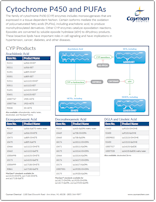
Cytochrome P450 (CYP450) enzymes are a superfamily of oxidative catalysts important in the biosynthesis and metabolism of a wide range of endogenous molecules as well as the metabolism of xenobiotics. For example, CYP2B4 metabolizes substituted amines, CYP2E1 metabolizes various alcohols and halogenated alkenes, and CYP1A2 catalyzes the oxygenation of aromatic compounds and polycyclic hydrocarbons. 4-phenyl-5-methyl-1,2,3-Thiadiazole is a selective, mechanism-based inhibitor of CYP2B4 and CYP2E1 at a concentration of 100 M that does not inactivate CYP1A2. 1,2,3-Thiadiazole compounds and their derivatives, including 4-phenyl-5-methyl-1,2,3-thiadiazole, are also commonly used as fungicides, herbicides, and plant growth regulators.
4-pyridylamid Oxime   CAY-13005
 
4-pyridylamid Oxime is a synthetic intermediate useful for pharmaceutical synthesis.
4-Pyridylthioamide   CAY-13056
 
4-Pyridylthioamide is a synthetic intermediate useful for pharmaceutical synthesis.
5-(galactosylhydroxy)-L-Lysine   CAY-10010255
 
Glycosylated hydroxylysine residues present in bone type I collagen are terminal degradation products of the bone matrix that are released during bone resorption and excreted in the urine. 5-(galactosylhydroxy)-L-Lysine levels are elevated in patients with metabolic bone loss and thus may serve as a biochemical marker of bone collagen quality.
5(S),14(R)-Lipoxin B4   CAY-90420
 
Lipoxins are a series of anti-inflammatory lipid mediators whose brief appearance generally signals the resolution of inflammation. Lipoxin A4 (LXA4) is a potent inhibitor of leukotriene-triggered polymorphonuclear neutrophil (PMN)-endothelial cell interaction and also blocks PMN migration stimulated by leukotriene B4 (LTB4). LXB4 is a positional isomer of LXA4 produced by the metabolism of 15-HETE or 15-HpETE by human leukocytes. At a concentration of 10-7 M, LXB4 inhibits PMN migration stimulated by LTB4 and inhibits LTB4-induced adhesion of PMNs with an IC50 value of ~3 X 10⁻¹⁰ M.
5(S),6(R),15(R)-Lipoxin A4   CAY-90415
 
Lipid-derived lipoxins are produced at the site of vascular and mucosal inflammation where they down-regulate polymorphonuclear leukocyte recruitment and function. 5(S),6(R),15(R)-Lipoxin A4 (5(S),6(R),15(R)-LXA4) is derived from the aspirin-triggered formation of 15(R)-HETE from arachidonic acid. 5(S),6(R),15(R)-LXA4 inhibits LTB4-induced chemotaxis, adherence, and  transmigration of neutrophils with twice the potency of LXA4 demonstrating activity in the nM range. The anti-inflammatory effects of aspirin may be ascribed in part to the ability of 5(S),6(R),15(R)-LXA4 to regulate leukocyte function.
5(S),6(R)-Lipoxin A4-d5 CAY-10007737
 
5(S),6(R)-Lipoxin A4-d5 (5(S),6(R)-LXA4-d5) contains five deuterium atoms at the 19, 19, 20, 20, and 20 positions. It is intended for use as an internal standard for the quantification of 5(S),6(R)-LXA4 by GC- or LC-mass spectrometry (MS). 5(S),6(R)-Lipoxin A4 is a trihydroxy fatty acid containing a conjugated tetraene, produced by the metabolism of 15-HETE or 15-HpETE with human leukocytes. 5(S),6(R)-Lipoxin A4 is equipotent to leukotriene B4 (LTB4) in inducing superoxide generation in human neutrophils at 0.1 M. 5(S),6(R)-Lipoxin A4 is associated with several other biological functions including leukocyte activation, chemotaxis effects, natural killer cell inhibition, and monocyte migration and adhesion.
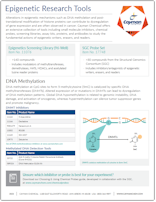
5-methyl-2-deoxy Cytidine EIA Kit  CAY-589324
 
DNA methylation is an important epigenetic process regulating gene expression. Methylation occurs on carbon 5 of 2-deoxy cytidine yielding the modified base 5-methyl-2-deoxy cytidine. The methylation pattern of cells is tightly regulated during development with the methylation profile being transmitted from parent to daughter cells during cell division. Methylation results in long-term silencing of genes, while unmethylated regions of DNA can be actively transcribed.
 
One region of the genome of particular interest in regard to methylation is CpG islands. CpG islands are regions approximately 200 bp to several thousand bp in length which often span the promoter and first few exons of many housekeeping and tumor suppressor genes. These regions remain essentially unmethylated throughout development. As the name implies, the CpG dinucleotide is overrepresented in CpG islands, with the frequency being approximately five times greater in CpG islands than in the remainder of the genome. It is well established that alterations in DNA methylation are a common feature of cancer.
 
In addition to global genomic hypomethylation, there are also discrete areas of dense hypermethylation particularly in the normally unmethylated CpG islands. Because many tumor suppressor genes contain CpG islands, these genes are among those silenced by hypermethylation. The first report of methylation of a tumor suppressor CpG island was Retinoblastoma (Rb) which was discovered in 1989. Interestingly, the pattern and level of gene hypermethylation for a given cancer is specific to that malignancy, with cancer of the GI tract tending to show a greater level of hypermethylation than do other cancers. In the digestive tract, methylation of genes, including the estrogen receptor, occurs as a normal part of the aging process. During carcinogenesis, this age-related methylation may progress to hypermethylation.  
 
Global changes in methylation can be quantified by measuring plasma or urinary levels of 5-methyl-2-deoxy cytidine. These changes in methylation can provide valuable information about cancer status of an individual. For example, patients with leukemia excrete significantly elevated levels of 5-methyl-2-deoxy cytidine compared to healthy individuals. Global methylation within tissues can be measured in a similar manner, allowing study of tissue-specific changes that occur as a result of differentiation, aging, or carcinogenesis. DNA methylation is regulated by a family of DNA methyltransferases 
 
(DNMTs), with DNMT1, DNMT3a, and DNMT3b all implicated in carcinogenesis.
 
Three cytosine nucleoside analogs (azacitidine, decitabine, and zebularine) which incorporate into DNA during synthesis are being actively investigated as anti-cancer drugs. DNMTs bind irreversibly to these cytidine analogs, resulting in suppression of methylation and the possibility that genes which had been inappropriately methylated may resume their normal function. Caymans 5-methyl-2-deoxy Cytidine EIA is a competitive assay that can be used for the quantification of 5-methyl-2-deoxy cytidine in urine, culture supernatants, plasma, and other sample matrices. The EIA typically displays IC50 (50% B/B0) and IC80 (80% B/B0) values of approximately 12 and 3 ng/ml, respectively.
5-trans Latanoprost (free acid) CAY-10129
 
Latanoprost is an F-series prostaglandin (PG) analog which has been approved for use as an ocular hypotensive drug. Latanoprost is an isopropyl ester, a prodrug form which is converted to latanoprost (free acid) by endogenous esterase enzymes. The free acid form is 200 times more potent than latanoprost as a ligand for the human recombinant FP receptor. 5-trans Latanoprost (free acid) is an isomer of latanoprost (free acid) wherein the double bond between carbons 5 and 6 has been changed from cis (Z) to trans (E). The trans isomer of latanoprost occurs as an impurity in commercial preparations of the bulk drug product. The present compound was prepared primarily as an analytical standard for detection and quantitation of this impurity. From what can be inferred from the study of other trans isomers of F-type prostaglandins, the biological activity of this isomer is likely to be similar to that of the cis isomer. However, there are no specific published reports on the biological activity, and on reducing intraocular pressure in particular, of 5-trans latanoprost
6-Aminonicotinamide   CAY-10009315
 
6-Aminonicotinamide (6-AN) is a well-established inhibitor of the NADP+-dependent enzyme, 6-phosphogluconate dehydrogenase (Ki = 0.46 μM). Through this action, 6-AN interferes with glycolysis, resulting in ATP depletion and synergizes with DNA-crosslinking chemotherapy drugs, like cisplatin, in killing cancer cells (IC50 = 0.5 mM). 6-AN also reduces cardiovascular oxidative injury following ischemia/reperfusion. In addition, 6-AN causes glial neurodegeneration.
6-keto Prostaglandin E1 Lipid Maps MS Standard    CAY-10007210
 
6-keto Prostaglandin E1 (6-keto PGE1) is a stable non-enzymatic hydrolysis product of prostacyclin (PGI2). 6-keto PGE1 is a metabolite isolated after the incubation of PGI2 with rabbit liver microsomes. However, it is not produced in appreciable amounts following IV infusion of PGI2 in humans. 6-keto PGE1 is equipotent with PGI2 as a vasodilator; in most other aspects its activity resembles PGE1.
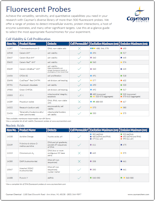
7-AAD Cell Viability Kit   CAY-10009856
 
Evaluation of cell viability is essential in cell biology and drug discovery. Caymans 7-AAD Cell Viability Assay Kit employs 7-AAD as a fluorescent label for dead cells. 7-AAD is a fluorescent dye which is excluded from live cells but penetrates dead or damaged cells to label DNA. Although 7-AAD fluorescence is less intense than that of propidium iodide, it exhibits a higher wavelength emission maximum (excitation at 488 nm, emission at 650 nm) and thus has minimal spectral overlap with PE or FITC. This makes 7-AAD preferable as a viability marker when FITC and/or PE are used simultaneously to label surface or intracellular antigens. A fixative/actinomycin D solution is included in the kit for cell fixation and blocking, making subsequential immunostaining of surface/intracellular antigens possible. This kit provides a convenient tool to quantify cytotoxic effects of environmental toxins or drug candidates.
7-Aminoclonazepam-d4 CAY-10010670
 
Clonazepam is an anticonvulsant used for several types of seizures, including myotonic or atonic seizures, photosensitive epilepsy, and absence seizures, although tolerance may develop. It is seldom effective in generalized tonic-clonic or partial seizures. The mechanism of action appears to involve the enhancement of γ-aminobutyric acid receptor responses.
8,9-EE-(14Z)-E   CAY-18112
 
14,15-EE-(8Z)-E (catalog no. 10010486) is a potent vasodilator in bovine coronary arteries. The synthesis of this analog involves the formation of the epoxide at the 14,15 double bond, however, epoxidation can also occur at the 8,9 double bond . 8.9-EE-(14Z)-E is a minor product from the synthesis of 14,15-EE-(8Z)-E. This compound has not been reported in the literature, and its biological activity is not known. It may serve as a tool to verify that the parent compound, 14,15-EE-(8Z)-E, is pure and does not contain the 8,9 epoxy regioisomer.
8-DY547-cGMP   CAY-10010109
 
Through activation by the binding of cyclic nucleotides, cyclic nucleotide-gated (CNG) ion channels mediate sensory signal transduction in photoreceptors and olfactory cells. 8-DY547-cGMP is a fluorescently-labeled cyclic nucleotide that can be used to study CNGA2 channel activation. 8-DY547-cGMP and cGMP open the channel with equal efficiency and control of the channel activity is rapid and reversible. The fluorescence (DF) can be determined by using DY647.
8-iso Prostaglandin E2-d4   CAY-10011321
 
8-iso Prostaglandin E2-d4 (8-iso PGE2-d4) contains four deuterium atoms at the hydroxyethyl 3, 3',4, and 4' positions. It is intended for use as an internal standard for the quantification of 8-iso PGE2 by GC-or LC-mass spectrometry. 8-iso PGE2 is one of several isoprostanes produced from arachidonic acid during lipid peroxidation. It is a potent renal vasoconstrictor in the rat. 8-iso PGE2 inhibits U-46619 or I-BOP-induced platelet aggregation with IC50 values of 0.5 and 5 M, respectively. When infused into the renal artery of the rat at a concentration of 4 mg/kg/min, 8-iso PGE2 decreases the GFR and renal plasma flow by 80% without affecting blood pressure.
8-methyl Nonanoic Acid   CAY-9000310
 
Capsaicin, the chemical that imparts the spicy-hot quality of chili peppers, is produced by the fruits of plants belonging to the Capsicum family. 8-methyl Nonanoic acid is an immediate precursor of capsaicin as well as a byproduct of capsaicin degradation. Addition of 5 mM isocapric acid significantly increases the yield of capsaicin in both immobilized and freely suspended cells of C. frutescens. Capsaicin has reported antimicrobial properties, however 8-methyl nonanoic acid can act as a growth substrate in certain bacterial strains.
9β-tetranor-13,14-dihydro-15-keto Prostaglandin F1β    CAY-16853
 
9β,11α-dihydroxy-15-oxo-2,3,4,5-tetranor prostanoic acid is a major urinary metabolite of PGE2 that is excreted in guinea pig urine at a concentration range of 1.34-2.74 g/kg. 
A-803467   CAY-10012588
 
Nav1.8 is a tetrodotoxin-resistant (TTX-R) sodium channel with high activation threshold and slow inactivating kinetics that is highly expressed in small-diameter sensory neurons and has been implicated in signaling various types of pain. A-803467 is a sodium channel blocker with high-affinity and selectivity for inhibiting human Nav1.8 sodium channels (IC50 = 8 nM when stimulated at half-maximal inactivation and IC50 = 79 nM at a resting state). This compound is unusual in that it blocks hNav1.8 at negative resting membrane potentials (many small molecule sodium channel blockers show a reduced affinity for the resting state) and does not demonstrate significant frequency-dependent block during a 10 Hz pulse train. A-803467 dose-dependently reduces behavioral responses in a variety of neuropathic and inflammatory pain models.
Acenocoumarol   CAY-10010569
 
Acenocoumarol is an analog of the oral anticoagulant warfarin that functions by inhibiting vitamin K epoxide reductase, an enzyme that has a critical role in enabling blood coagulation. It is a brief-acting compound with a half-life of about eight hours in plasma, which is four times shorter than that of warfarin.
Aconitase Assay Kit   CAY-705502
 
Aconitase is an iron-sulfur protein containing a [Fe4S4]2+ cluster that catalyzes the stereospecific isomerization of citrate to isocitrate via cis-aconitate. Whereas exposure of aconitase to oxidants renders the enzyme inactive, loss of aconitase activity in cells or in biological samples treated with pro-oxidants has been interpreted as a measure of oxidative damage. Cayman's Aconitase Assay Kit provides a simple, reproducible, and sensitive tool for assaying aconitase from tissue homogenates or cell lysates. In this assay, citrate is isomerized by aconitase into isocitrate, which is then converted to a-ketoglutarate in a reaction catalyzed by isocitric dehydrogenase. These reactions are monitored by measuring the increase in absorbance at 340 nm associated with the formation of NADPH. The rate of NADPH production is proportional to aconitase activity.
Adenosine Receptor A2A Monoclonal Antibody   CAY-10011454
 
Adenosine receptor A2A Monoclonal Antibody (A2AR) is a multi-pass membrane protein that is normally localized to the plasma membrane. This receptor is part of the G protein-coupled receptor family that binds adenosine and serves multiple functions. Antagonists of this receptor have been targeted for the treatment of Parkinsons disease. Early reports found this receptor is found primarily in the brain striatum, but is also found in immune cells and other tissues as well. A2AR is comprised of 412 amino acids with an expected molecular weight of 45 kDa. However multiple glycosylation sites exist that may explain the retarded migration observed by western blotting (45-50 kDa). This antibody has been extensively characterized and the epitope has been mapped to the third intracellular loop of the receptor.
AG-370   CAY-10010568
 
Protein tyrosine kinase (PTK) inhibitors are potential antiproliferative agents for diseases caused by the hyperactivity of PTKs. Tyrphostins are a class of antiproliferative compounds which selectively inhibit PTKs of key growth factors such as epidermal growth factor (EGF) or platelet-derived growth factor (PDGF) by blocking the phosphorylation of specific tyrosine residues. AG-370 is a selective inhibitor of PDGF receptor kinase with an IC50 value of 20 M in human bone marrow fibroblasts. It displays comparatively weak inhibition of the EGF receptor (IC50 = 820 M).
AH 23848 (calcium salt, hydrate)   CAY-19023
 
Thromboxane (TXA2) activates the T prostanoid (TP) receptor. Prostaglandin E2 (PGE2) activates four E prostanoid (EP) receptors, EP1-4. AH-23848 is a dual antagonist of TP and EP4 receptors. It originally was found to inhibit TXA2-induced platelet aggregation (IC50 = 0.26 μM) and the contraction of human bronchial smooth muscle induced by the TP agonist U-46619. AH-23848 was subsequently demonstrated to impair PGE2-mediated relaxation of piglet saphenous vein by antagonizing the PGE2 receptor EP4. By inhibiting EP4, it likewise suppresses serum-induced cAMP generation, cyclin A synthesis, and the proliferation of fibroblasts, as well as reduces metastasis in a murine model of metastatic breast cancer.
AL-34662   CAY-10011546
 
The transduction of neurobehavioral effects by serotonin (5-hydroxy tryptamine; 5-HT) is mediated via at least six major 5-HT receptor subtypes, including 5-HT2. AL 34662 is a potent 5-HT2 receptor agonist with ocular hypotensive activity. It binds to the human and rat 5-HT2 receptors in cerebral cortex homogenates with IC50 values of 1.5 and 0.77 nM, respectively. AL 34662 binds to the recombinant human 5-HT2A, 5-HT2B, and 5-HT2C receptors with IC50 values of 14.5, 8.1, and 3 nM, respectively. In ocular hypertensive cynomolgus monkey eyes, AL 34662 lowered intraocular pressure (IOP) 25% at a dose of 100 g and 33% at 300 g (six hours post dose) with minimal side effects.
Albumin (bovine) Acetylated   CAY-10010566
 
Acetylated BSA may be used as a positive control for ELISA or WB when employing an acetyl-lysine monoclonal or polyclonal antibody. Caymans Acetyl Lysine Monoclonal Antibody (clone 7F8) (Catalog No. 10010567) can detect less than 1 ng of this positive control by immunoblotting. Dilutions from a 1 mg/ml stock solution and 2X Laemmli Buffer may be prepared for WB use. For example, dissolve the 1 mg lyophilized protein in 1 ml of purified water (aliquot and freeze for later, use as needed), then make ten-fold dilutions until the desired concentration range is obtained. Finally dilute the product 1:1 in 2X Laemmli Buffer. Incubate the prepared sample for five minutes in boiling water followed by five minutes on ice prior to loading gels. Histone subunit modifications such as lysine acetylation are regulated  by the activity of histone acetyltransferases (HATs) and histone deacetylases (HDACs). Epigenetic modifications such as protein acetylation directly influence cellular genetic programs including those contributing to cancer cell viability.
Aldehyde Reactive Probe   CAY-10009350
 
DNA is continually damaged by endogenous and environmental agents leading to the formation of abasic (apurinic/apyrimidinic, AP) sites that are disruptive to DNA synthesis. Aldehyde Reactive Probe (ARP) is a biotinylated reagent for the detection and quantification of AP sites in damaged DNA. ARP reacts with aldehyde groups formed when reactive oxygen species depurinate DNA, resulting in covalent linkage of biotin to these AP sites. The biotin-tagged DNA can then be detected using common avidin-conjugated reporters such as avidin-HRP. The ARP method is highly sensitive, enabling detection of 2.4 AP sites per 1x10⁷ nucleotides of DNA.
AM630  CAY-10006974
 
Cannabinoids produce biochemical and pharmacological effects by interacting with the central cannabinoid (CB1) and peripheral cannabinoid (CB2) G protein-coupled receptors. AM630 is a selective CB2 receptor antagonist that binds to CB1 and CB2 receptors with Ki values of 5.2 M and 31.2 nM, respectively. AM630 behaves as an inverse agonist at CB2 receptors, attenuating the antinociceptive effects of a number of cannabinoids, and as a weak partial agonist at CB1 receptors.
AMP-Deoxynojirimycin   CAY-10010332
 
The lipid messenger ceramide is converted to glucosylceramide by glucosylceramide synthase (GCS). In the reverse direction, non-lysosomal glucosylceramidase (GCase), also known as β-glucosidase 2 (BGD), cleaves the glucosyl moiety from glucosylceramide, liberating ceramide, which can be converted into sphingomyelin. AMP-deoxynojirimycin (AMP-dNM) is a hydrophobic derivative of dNM. It potently inhibits BGD (IC50 = 0.3 nM), less potently antagonizes GCS (IC50 = 25 nM), but only poorly inhibits other GCase isoforms. AMP-dNM has been shown to strongly suppress inflammation in a murine model of hapten-induced colitis, enhance insulin sensitivity in murine and rat models of insulin resistance, and induce sterol regulatory element-binding protein-regulated gene expression and cholesterol synthesis in HepG2 cells.
ApoAI (human) EIA Kit  CAY-500155
 
Apolipoprotein AI (ApoAI) is a major protein component of HDL. Clinical studies have demonstrated that lower levels of ApoAI are associated with an increased risk of myocardial infarction and coronary artery disease. Overexpression of ApoAI raises HDL cholesterol levels and inhibits the progression of atherosclerosis in mice. For this reason, upregulation of ApoAI expression is considered to be one of the most promising approaches to the development of new therapies for atherosclerosis targeting HDL. Cayman's ApoAI (human) EIA Kit is an immunometric assay which can be used to accurately detect and quantify ApoAI in plasma and serum without prior sample purification. The standard curve spans the range of 0-20 ng/ml with a limit of detection of approximately 0.3 ng/ml.
ApoAI Monoclonal Antibody (Clone CC3821C4)   CAY-13042
 
ApoAI is a major protein component in high-density lipoproteins (HDL). It acts as an acceptor for sequential transfers of phospholipids and free cholesterol from peripheral tissues and transports cholesterol to the liver and other tissues for excretion and steroidogenesis. Serum ApoAI levels are inversely related to the risk of developing atherosclerosis. Loss-of-function mutations are causes of diseases such as HDL deficiency type 1 (or Tangier disease) and type 2 (familial hypoalphalipoproteinemia), and systemic non-neuropathic amyloidosis. Liver and small intestine are two main sources of the protein. ApoAI is comprised of a single polypeptide chain of 243 amino acid residues with an estimated molecular weight of 28 kDa. Caymans ApoAI Monoclonal Antibody detects the protein from diluted human plasma (≤10 g total protein) by western blotting. Western blotting of recombinant ApoAI samples suggest a detection limit of 5 ng.
ApoB (human) EIA Kit   CAY-10011012
 
Apolipoprotein B (ApoB) is the main apolipoprotein of chylomicrons and low density lipoproteins (LDL). The protein exists as two main isoforms, ApoB-48 and ApoB-100. In humans, ApoB-48 and ApoB-100 are synthesized exclusively by the small intestine and liver, respectively. Elevated plasma concentrations of ApoB and LDL are established risk factors for atherosclerotic coronary disease. Caymans Human ApoB EIA Kit is an immunometric (i.e., sandwich) assay which can be used to measure ApoB in plasma and serum without prior sample purification. This assay also can be used to detect cellular ApoB levels in cell lysate samples. The standard curve spans the range of 0-160 ng/ml with a limit of detection of approximately 10 ng/ml.
ATB-337   CAY-10277
 
Hydrogen sulfide (H2S) is a naturally occurring gasotransmitter with vasodilator and inflammatory modulating activity. Non-steroidal anti-inflammatory drugs (NSAIDs), such as indomethacin, diclofenac, and ibuprofen, are some of the most commonly used anti-inflammatory drugs available but exhibit significant side effects, particularly gastric damage, when used chronically. ATB-337 is a hybrid molecule of an H2S donor and the NSAID diclofenac. In rats, diclofenac at 10-50 mol/kg caused significant gastrointestinal damage, whereas no damage was observed with ATB-337 treatment at the same dose. ATB-337 at 50 mol/kg does not promote leukocyte adherence to vascular endothelium, an effect observed with diclofenac treatment alone. COX-1 and COX-2 were inhibited with similar efficacy by diclofenac and ABT-337. An increase in expression of the pro-inflammatory mediator TNF-α, as well as, the adhesion molecules ICAM-1 and LFA-1 were not observed in rats treated with 50 mol/kg ABT  -337, effects seen with equimolar doses of diclofenac. These results indicate that H2S-releasing derivatives of NSAIDs may prove to be more effective anti-inflammatory agents than traditional NSAIDs alone.
ATB-343   CAY-13045
 
Hydrogen sulfide (H2S) is a naturally-occurring gasotransmitter with vasodilator and inflammatory modulating activity. Non-steroidal anti-inflammatory drugs (NSAIDs), such as indomethacin, diclofenac, and ibuprofen, are some of the most commonly used anti-inflammatory drugs available but exhibit significant side effects, particularly gastric damage, when used chronically. ATB-343 is a hybrid molecule of an H2S donor and the NSAID indomethacin. In rats, ATB-343 does not cause gastric damage or promote leukocyte adherence to vascular endothelium, effects which are observed with indomethacin treatment alone. These results indicate that H2S-releasing derivatives of NSAIDs may prove to be more effective anti-inflammatory agents than traditional NSAIDs alone.
Avenanthramide-C methyl ester  CAY-10011336
 
Avenanthramide-C methyl ester is an inhibitor of NF-κB activation that acts by blocking the phosphorylation of IKK and IκB (IC50 ~ 40 μM). Through this mechanism, avenanthramide-C methyl ester dose dependently inhibits the expression and secretion of IL-6, IL-8, and MCP-1 in human aortic endothelial cells.
BACE (human recombinant)   CAY-10227
 
Accumulation of the β-amyloid peptide (Ab) in the brain is implicated as the primary cause of neurodegeneration and progression of Alzheimers disease (AD). The β-amyloid peptide is derived from sequential proteolytic cleavage of the amyloid precursor protein (APP) by β- and γ-secretases. Initial cleavage by β-secretase (BACE), a membrane-anchored aspartic protease, generates a soluble N-terminal fragment and a membrane-associated C-terminal fragment. The C-terminal fragment then undergoes proteolysis by γ-secretase to give the Ab peptide. BACE has been shown to be the major β-secretase and a promising target as it initiates the first step in Ab production. Inhibition of BACE activity could potentially block the entire cascade of AD pathogenesis. In addition, BACE deficient mice do not generate Ab peptide. In transgenic murine models of AD driven by Ab overproduction, BACE deficiency rescued memory deficits and cholinergic dysfunction. Additionally, the fact that β-secretase is an aspartic protease has also raised the hope that its therapeutic inhibitor can be as successful as that against HIV protease.
BACE Inhibitor Screening Assay Kit  CAY-600070
 
Accumulation of the β-amyloid peptide (Ab) in the brain is implicated as the primary cause of neurodegeneration and progression of Alzheimers disease (AD). The β-amyloid peptide is derived from sequential proteolytic cleavage of the amyloid precursor protein (APP) by β- and γ-secretases. Initial cleavage by β-secretase (BACE; β-site of APP cleaving enzyme), a membrane anchored aspartic protease, generates a soluble N-terminal fragment and a membrane-associated C-terminal fragment. The C-terminal fragment then undergoes proteolysis by γ-secretase to give the Ab peptide. BACE has been shown to be the major β-secretase and a promising therapeutic target as this protease initiates the first step in Ab production. Inhibition of BACE activity could potentially block the entire cascade of Alzheimers disease pathogenesis. In addition, BACE deficient mice do not generate Ab peptide. In transgenic murine models of AD driven by Ab overproduction, BACE deficiency rescued memory deficits and cholinergic dysfunction. Additionally, the fact that β-secretase is an aspartic protease has also raised the hope that its therapeutic inhibitor can be as successful as that against HIV protease. Caymans BACE Inhibitor Screening Assay Kit provides a convenient method for screening human BACE inhibitors. The assay utilizes a synthetic Swedish mutant APP peptide (EVNLDAEF) that has been linked to a fluorophore (EDANS) at one end and to a nonfluorescent chromophore (Dabcyl) at the other. After cleavage by BACE, the product (peptide-EDANS) is brightly fluorescent and can be easily analyzed using a fluorescence plate reader or a fluorometer with excitation wavelengths of 335-345 nm and emission wavelengths of 485-510 nm.
BAY-11-7082   CAY-10010266
 
The transcription factor NF-kB plays a key role in regulating over 150 target genes including the expression of inflammatory cytokines, chemokines, immunoreceptors, and cell adhesion molecules. In the cytoplasm, inactive NF-kB complexes are bound to an inhibitor I?B. However in response to certain stimuli, I?B is phosphorylated, ubiquitinated, and degraded, enabling the translocation of NF-?B to the nucleus. BAY-11-7082 selectively and irreversibly inhibits NF-?B activation by blocking TNF-a-induced phosphorylation of I?B-a without affecting constitutive I?B-a phosphorylation. This compound inhibits the TNF-a-induced surface expression of adhesion molecules ICAM-1, VCAM-1, and E-selectin in human endothelial cells with IC50 values of 5-10 M.
BAY-60-7550  CAY-10011135
 
The second messengers cAMP and cGMP are important mediators of signal transduction and hence a wide range of cellular processes including vasodilation and synaptic plasticity. Type 2 cyclic nucleotide phosphodiesterases (PDE2) isoforms inactivate cAMP and cGMP by hydrolyzing the phosphodiester bond. BAY-60-7550 is a potent PDE2 inhibitor with IC50 values of 2.0 nM (bovine) and 4.7 nM (human). It is 50-fold more selective for PDE2 compared to PDE1 and greater than 100-fold selective compared to PDE5 PDE3B, PDE4B, PDE7B, PDE8A, PDE9A, PDE10A, and PDE11A. At 3 mg/kg BAY-60-7550 antagonizes oxidative stress-induced anxiety-like behavioral effects in mice by decreasing cGMP signaling. At 1 mg/kg BAY-60-7550 improves the performance  of rats in an object location task, enhancing cAMP/cGMP-mediated object and spatial memory consolidation.
BIO  CAY-13123
 
BIO is a cell-permeable bis-indolo (indirubin) compound that acts as a highly potent, selective, reversible, and ATP-competitive inhibitor of GSK-3α/β (IC50 = 5 nM). Its specificity has been tested against various cyclin-dependent kinases (Cdks) (IC50s = 83, 300, 320, and 10,000 nM for Cdk5/p25, Cdk2/A, Cdk1/B, and Cdk4/D1, respectively). Also specificity tested were many other commonly studied kinases (IC50 ≥ 10 M), including MAP kinases, PKA, PKC isoforms, PKG, CK, and IRTK. Inhibition of GSK by BIO has been shown to result in the activation of the Wnt signaling pathway and sustained pluripotency in human and murine embryonic stem cells (ESCs). BIO is reported to maintain self-renewal in human and murine ESCs as well as induce the differentiation of neonatal cardiomyocytes.
Bupropion-d9 hydrochloride  CAY-10010679
 
Bupropion is a unicyclic, aminoketone antidepressant. The mechanism of its therapeutic actions is not well understood, but it does appear to block dopamine uptake. The hydrochloride is available as an aid to smoking cessation treatment.
C-12 NBD Cholesterol  CAY-13220
 
3-C-12 NBD Cholesterol is a fluorescently-tagged cholesterol with the hydrophilic NBD fluorophore attached to the hydrophilic end of cholesterol, separated by a 12-carbon spacer.
 
This design allows the cholesterol to properly orient in membrane bilayers while the fluorescent tag is presented outside of the bilayer.  This should model the behavior of cholesterol in membranes better than the previously-used C-25 NBD cholesterol, which positions NBD directly on the 25th carbon of cholesterol at the hydrophobic terminus.  Fluorescently-tagged lipids have been used to study their interactions with proteins, their utilization by cells and liposomes, and for the development of assays for lipid metabolism.
C-6 NBD-dihydro-Ceramide   CAY-10007957
 
C-6 NBD ceramide is a biologically active fluorescent analog of short chain, membrane-permeable ceramides. It is as effective as C-6 ceramide in the inhibition of viral glycoprotein transport through the Golgi. C-6 NBD ceramide has been used as a fluorescent substrate for the activity of UDP-glucose:ceramide glucosyltransferase and to demonstrate the translocation of glucocerebroside and sphingomyelin from the Golgi to the plasma membrane. C-6 NBD-dihydro-Ceramide is structurally identical to C-6 NBD ceramide, except it contains a saturated bond in the C-4/C-5 position of the sphingosine backbone.
Cardiogenol C (hydrochloride)   CAY-13187
 
Most tissues have an endogenous pool of progenitor cells to draw from upon injury. The adult heart, however, contains a limited number of undifferentiated cells and techniques to replicate these cells from other pluripotent tissues have thus far been nonselective and inefficient. Cardiogenol C is a diaminopyrimidine compound that induces the differentiation of MHC- (myosin heavy chain) positive cardiomyocytes from embryonic stem cells with an EC50 value of 0.1 M. About 90% of embryonic stem cells treated with 0.25 M cardiogenol C express the cardiac muscle cell specific transcription factors GATA-4, MEF2, and Nkx2.5 and display the characteristic beating behavior of differentiated cardiomyocytes.
CAY10506   CAY-10009079
 
Anti-diabetic drugs of the thiazolidinedione (TZD) structural class as well as α-lipoic acid activate peroxisome proliferator-activated receptor γ (PPARγ), a nuclear transcription factor that controls glucose metabolism and lipid homeostasis. CAY10506 is a hybrid lipoic acid-TZD derivative that transactivates human PPARγ with an EC50 value of 10 M.
CAY10559   CAY-10011020
 
Sirtuins (SIRTs) represent a distinct class of trichostatin A-insensitive lysyl-deacetylases (class III HDACs). Human SIRT1 is the homolog of yeast silent information regulator 2 (Sir2) and has been shown to regulate the activity of the p53 tumor suppressor and inhibit apoptosis. Small molecule activators of SIRT1, such as resveratrol, extend lifespan in yeast and C. elegans in a manner that resembles caloric restriction. CAY10559 is a selective small molecule activator of SIRT1 that is 1,000-fold more potent than resveratrol (EC1.5 = 0.16 M versus EC1.5 = 46.2 M, respectively). In diet-induced obese and diabetic leptin-defieient ob/ob mice, oral administration of 100 mg/kg CAY10559 once daily improves insulin sensitivity, lowers plasma glucose and increases mitochondrial capacity after one week of treatment. In Zucker fa/fa rats, CAY10559 improves whole-body glucose homeostasis and insulin sensitivity in adipose tissue, skeletal muscle, and liver.
CAY10566   CAY-10012562
 
Stearoyl-CoA desaturase (SCD) catalyzes the committed step of the conversion of saturated, long-chain fatty acids to monounsaturated fatty acids. The SCD1 gene is thought to play a key role in lipid homeostasis and body weight regulation. Thus, modulating SCD1 activity pharmacologically may be a useful tool for regulating type 2 diabetes, dyslipidemia, and obesity. CAY10566 is a potent and selective inhibitor of SCD1 that demonstrates IC50 values of 4.5 and 26 nM in murine and human enzymatic assays, respectively. This compound inhibits the conversion of saturated, long-chain fatty acyl-CoAs to monounsaturated, long-chain fatty acyl-CoAs in HepG2 cells with IC50 values of 7.9 and 6.8 nM, respectively, when heptadecanoic acid and palmitic acid are used as the substrate.
CAY10571   CAY-10010400
 
Pyridinylimidazoles, often termed CSAIDs, are a class of anti-inflammatory compounds that inhibit eicosanoid production and suppress the synthesis of cytokines in human monocytes. Because of its high specificity, one predominant pyridinylimidazole, SB203580, is frequently used to inhibit p38 MAPK, the tyrosine kinase activated by environmental stresses and inflammatory cytokines. CAY10571 is an analog of SB203580. It inhibits IL-1 production in the human monocytic cell line THP.1 with an IC50 value of 0.20 M and binds CSAID binding protein, a serine/threonine kinase homologous to p38, inhibiting its kinase activity with an IC50 value of 0.03 M. CAY105571 also inhibits 5-lipoxygenase production in RBL-1 cells with an IC50 value of 24 M.
CAY10572   CAY-18218
 
Cdc7 kinase is a key regulator of the S-phase of the cell cycle. It is known to promote the activity of DNA replication origins in eukaryotic organisms. Inhibition of Cdc7 kinase causes blockade of DNA synthesis in human cell lines. Tumor cells are then funneled into the apoptotic pathway in a p53-independent manner. Pharmacological inhibition of Cdc7 kinase can be an effective strategy for the development of oncologic therapeutics useful for treatment of cancers. CAY10572 is a potent inhibitor of Cdc7 kinase with an IC50 value of 10 nM in the presence of 1.5 M ATP. At 10 M, CAY10572 induces apoptotic cell death in multiple cancer cell types. CAY10572 also inhibits Cdk9, a kinase involved in the phosphorylation of RNA polymerase II and in transcriptional regulation of gene expression, with an IC50 value of 34 nM.
CAY10573 CAY-10008846
 
The peroxisome proliferator-activated receptors (PPARs) are lipid-activated transcription factors often used as drug targets for the treatment of metabolic disorders. CAY10573 is a PPAR agonist that displays potent binding at PPARα, γ, and δ with IC50 values of 113, 50, and 223 nM, respectively. It potently transactivates PPARα, γ, and δ with EC50 values of 8, 70, and 500 nM, respectively. CAY10573 demonstrates stronger binding and functional activity for PPARγ than the antidiabetic compound rosiglitazone (IC50 = 92 nM; EC50 = 220 nM).
CAY10574   CAY-10011247
 
Cyclin-dependent kinases (CDKs) play a key role in regulating cell division by phosphorylating distinct substrates in different phases of the cell cycle. Cell cycle deregulation in many cancers often results from altered CDK activity. Thus, CDKs are potential pharmacological targets for anticancer agents. CAY10574 is a potent, selective inhibitor of CDK9 in vitro with an IC50 value of 0.35 M. It is also a competitive inhibitor of CDK2-cyclin E with respect to ATP, with Ki and IC50 values of 13.3 and 20 M, respectively. CAY10574 reduces the population of S-phase cells of the cancer cell line HT-29 and blocks proliferation of several other cancer cell lines including MCF7, HOS, G361, and K562 cells with IC50 values of 33, 49, 64, and 62 M, respectively.
CAY10575   CAY-10011248
 
The NF-kB/Rel transcription factors, known to be involved in the regulation of pro-inflammatory cytokines and the pathogenesis of a variety of diseases, are present in the cytosol in an inactive state, complexed with inhibitory IkB proteins. NF-kB is activated upon degradation of IkB following IKK-a and IKK- phosphorylation. IKK-e, a homolog of IKK-a and IKK-, can also activate NF-kB. IKK-e is expressed predominantly in immune cells and is thought to play a role in the immune response. CAY10575 is a benzimidazole analog that inhibits IKK-e with an IC50 value of ~15.8 M.
CAY10576  CAY-10011249
 
CAY10576 is a benzimidazole analog that selectively inhibits IKK-e with an IC50 value of 40 nM and is essentially inactive at IKK-a and IKK-.
CAY10577   CAY-10011256
 
Casein kinase-2 (CK2) is a serine/threonine-selective protein kinase involved in many signal transduction pathways. CK2 is known to negatively regulate apoptosis, and its activity is increased in many proliferating tissues and tumors, which lends promise as an anticancer drug target. CAY10577 inhibits CK2 with an IC50 value of 0.8 M.
CAY10578   CAY-10011264
 
Casein Kinase-2 (CK2) is a constitutive protein kinase involved in many signal transduction pathways. CK2 is known to negatively regulate apoptosis, and its activity is increased in many proliferating tissues and tumors, which lends promise as an anticancer drug target. CAY10578 is a potent inhibitor of CK2 with an IC50 value of 0.3 M. This compound is ATP competitive, displaying a Ki value of 0.2 M and only minimally inhibits the activities of other protein kinases (e.g., GSK3, CDK5, and MSK1).
CAY10580   CAY-16835
 
Prostaglandin E2 (PGE2) activates four E prostanoid (EP) receptors, EP1-4. EP4 is a Gs-protein coupled receptor that, by elevating the second messenger cAMP, plays important roles in bone formation and resorption, cancer, and atherosclerosis. CAY10580 is an 8-aza-11-dehydroxy saturated analog of prostaglandin E2 (PGE2). It selectively binds the EP4 receptor (Ki = 35 nM) relative to the EP1, EP2, and EP3 receptors (Ki = 3,000, 2,000, and >3,000 nM, respectively). CAY10580 stimulates cAMP formation in excised murine ovaries.
CAY10581 CAY-16838
 
The enzyme indoleamine 2,3-dioxygenase (IDO) has been implicated in mediating pathological immunosuppression associated with certain diseases, including cancer.  Several naphthoquinones inhibit IDO in vitro and in cells, but at low (μM) potency.  Importantly, naphthoquinones reduce tumor growth in wild type mice but not in IDO-deficient mice. CAY10581 is a naphthoquinone derivative that potently inhibits IDO (IC50 = 55 nM).  It is a more potent inhibitor of IDO than annulin B or 1-methyl-d-tryptophan (1MT). CAY10581 acts as a reversible uncompetitive inhibitor of IDO and demonstrates minimal impact on cell viability at 100 μM after 24 hours.
CAY10589 CAY-13164
 
CAY10589 is a dual inhibitor of mPGES-1 (IC50 = 1.3 μM) and 5-LO (IC50 = 1.0 μM). It effectively inhibits PGE2 and LT synthesis in both cell free and intact cell assays. CAY10589 has minor effects on COX-1 and COX-2, inhibiting these enzymes 34% and 38.8%, respectively, at 10 μM.
CAY10592  CAY-10012536
 
Peroxisome proliferator-activated receptors (PPARs) α, δ, γ are ligand-activated nuclear transcription factors involved in the regulation of energy homeostasis as well as insulin sensitivity and glucose metabolism. Pharmacologies of PPARδ receptor agonists, though relatively obscure, have recently been reported to elevate high-density lipoprotein (HDL) cholesterol and lower plasma triglyceride (TG) levels in obese insulin resistant rhesus monkeys. CAY10592 is a full PPARδ agonist (EC50 = 30 nM) in a fatty acid oxidation assay of rat L6 muscle cells with desirable oral pharmacokinetic properties. In a transactivation assay using human PPAR receptors, CAY10592 acts as a selective partial PPARδ agonist (EC50 = 53 nM) with no effect on PPARα or PPARγ activity up to 30 M. Chronic treatment of high fat fed ApoB100/CETP-transgenic mice with CAY10592 at a dose of 20 mg/kg increases HDL levels, decreases low-density lipoprotein and TG levels, and improves insulin sensitivity.
CAY10594 CAY-13207
 
CAY10594 is a potent PLD2 inhibitor, both in vitro (IC50 = 140 nM) and in cells (IC50 = 110 nM). It is also effective as a PLD1 inhibitor at higher concentrations (IC50 = 5.1 μM in vitro, 1.0 μM in cells). CAY10594 strongly inhibits the invasive migration of breast cancer cells in transwell assays, suggesting that PLD might be a useful target in blocking tumor cell invasion.
CAY10596 CAY-13216
 
CAY10596 is a bicyclic cannabinoid analog that avidly binds the central cannabinoid receptor (Ki = 0.83 nM) and shows high antinociceptive activity.  It is ten-fold more potent than ?9-tetrahydrocannabinol in analgesic, motor depressant, anticonvulsant, and hypothermic effects in mice.
CAY10597  CAY-10012539
 
The biological effects of prostaglandin D2 (PGD2) are transduced by at least two 7-transmembrane G protein-coupled receptors, designated DP1 and CRTH2/DP2. In humans, CRTH2/DP2 is expressed on Th2 cells, eosinophils, and basophils where it mediates the chemotactic activity of PGD2. CAY10597 is a potent CRTH2/DP2 receptor antangonist that binds to the human receptor with a Ki value of 37 nM. The R enantiomer is slightly more potent exhibiting Ki values of 23 and 22 nM at the human and murine CRTH2/DP2 receptor, respectively. The R enantiomer of CAY10597 inhibits eosinophil chemotaxis induced by 13,14-dihydro-15-keto-PGD2 with an IC50 value of 40 nM.
CAY10603 CAY-13146
 
CAY10603 is a potent and selective inhibitor of HDAC6 (IC50 = 0.002 nM, as compared with 271, 252, 0.42, 6851, and 90.7 nM for HDACs 1, 2, 3, 8, and 10, respectively). Also, CAY10603 prevents the growth of several pancreatic cancer cell lines (IC50 = 0.1-1 μM). The HDAC6 inhibitor is more active in inhibiting cell growth than the broad spectrum HDAC inhibitor suberoylanilide hydroamic acid (SAHA).
CBDD  CAY-13285
 
CBDD is a cannabidiol derivative that potently and selectively inhibits 15-LO with an IC50 value of 0.28 M. It does not inhibit 5-LO effectively (IC50  200 M).
CBHA  CAY-13172
 
CBHA is a potent HDAC inhibitor, exhibiting ID50 values of 0.01 and 0.07 μM in vitro for HDAC1 and HDAC3, respectively. CBHA also induces apoptosis in nine different neuroblastoma cell lines in culture (0.5-4.0 μM) and completely suppresses neuroblastoma tumor growth in SCID mice at 200 mg/kg. The efficacy of CBHA for suppressing tumor growth in mice is enhanced by the addition of retinoic acid.
CCT018159   CAY-10012591
 
The heat shock protein 90 (Hsp90) is a molecular chaperone that activates and maintains the biological functioning of several client proteins, many of which are associated with oncogenic signaling pathways. Its activity is driven by ATP and regulated by co-chaperones such as Hsp72. CCT018159 is a 3,4-diaryl pyrazoloresorcinol compound that inhibits the ATPase activity of Hsp90 with IC50 values of 3.2 and 6.6 M for human Hsp90β and yeast Hsp90, respectively. At concentrations up to 100 M, CCT018159 does not inhibit human Hsp72 ATPase or topoisomerase II, yet at 50 M CCT018159 inhibits 13 out of a panel of 20 commonly studied kinases. In human tumor xenografts, such as SKMEL 28 melanoma cells, CCT018159 induces Hsp72 expression and decreases the expression of oncogenic client proteins such as C-RAF, ERBB2, and CDK4.
CD34 Monoclonal FITC Antibody (Clone ICO-115)   CAY-10208
 
This CD34 monoclonal antibody recognizes an extracellular carbohydrate epitope of CD34. CD34 is a type I transmembrane glycoprotein (Mr = 104-120 kDa) expressed on stem cells, early hematopoietic progenitor cells, bone marrow stroma cells, endothelial cells, embryonic fibroblasts, and neurons. CD34 analysis can be used for the differential identification of acute leukemias as well as routine analysis of cultured stem cell lines.
CD4/CD8 Monoclonal FITC/PE Antibody   CAY-10009852
 
This antibody pair is intended for the immunochemical detection of human CD4+ and CD8+ cells by flow cytometry. Human whole blood samples may be stained directly followed by red blood cell lysis with the provided reagents. CD4 and CD8 are each expressed on a variety of white blood cells. Therefore, staining parallel samples or o-staining is recommended to identify specific cell populations when using the CD4/CD8 antibody pair. For example, confirm CD4+ or CD8+ T cells as those only expressing CD3. The MHC class I and II molecules of antigen presenting cells specifically interact with T cell receptor and co-receptors CD8 and CD4, respectively. CD4 and CD8 are co-expressed on T cells during development. However T cell maturation can result in distinct populations of CD4+ (helper/suppressor) or CD8+ (cytotoxic) T cells residing in the peripheral circulatory system. Peripheral CD4+ T cell abundance is commonly employed for monitoring progression of HIV infections and other immunosuppression. Evidence supports the existence of arachidonic acid metabolites involved in immunosuppression, immune cell maturation, differentiation, and chemotaxis. These events have been implicated in chronic inflammation associated with the disease states such as cancer and atherosclerosis.
Chenodeoxycholic Acid   CAY-10011286
 
Bile acids are essential for solubilization and transport of dietary lipids, are the major products of cholesterol catabolism, and are physiological ligands for farnesoid X receptor (FXR), a nuclear receptor that regulates genes involved in lipid metabolism. They are also inherently cytotoxic, physiological imbalance contributes to increased oxidative stress. Bile acid-controlled signaling pathways are promising novel targets to treat such metabolic diseases as obesity, type II diabetes, hyperlipidemia, and atherosclerosis. Chenodeoxycholic acis (CDCA) is a hydrophobic primary bile acid that activates nuclear receptors involved in cholesterol metabolism. EC50 concentrations for activation of FXR range from 13 to 34 μM. In cells, CDCA also binds to bile acid binding proteins (BABP) with a reported stiochiometery of 1:2. CDCA toxicity is linked to increased cellular glutathione levels and increased oxidative stress. Exposure of cells to excess CDCA contributes to liver and intestinal cancers.
cis-ACCP   CAY-10012583
 
Matrix metalloproteinases (MMPs) belong to a family of proteases that play a crucial role in tissue remodeling and repair by degrading extracellular matrix proteins, thus enabling cell migration. Overexpression of MMPs are linked to diseases such as cancer, arthritis, osteoporosis, and arteriosclerosis. cis-ACCP is a reversible and competitive inhibitor of type IV collagen-specific MMP-2 and MMP-9 with preference towards MMP-2 (IC50 = and 20 M, respectively). At 100 M, cis-ACCP prevents 90% of tumor cell invasion across matrigel-coated membranes in vitro.
cis-Trismethoxy Resveratrol   CAY-13199
 
Resveratrol is a potent antioxidant found in grapes and red wine that also has anti-proliferative, anti-neoplastic and anti-angiogenic activities.  In addition, resveratrol activates sirtuins and, in yeast, extends lifespan. cis-Trismethoxy resveratrol is a potent anti-mitotic drug that is 100-fold more active than resveratrol at inhibiting the growth of human colon cancer Caco-2 cells.  It inhibits tubulin polymerization in a dose-dependent manner (IC50 =  4 μM) and inhibits enzymes involved in the synthesis of the polyamines, putrescine, and spermidine.  Trismethoxy resveratrol has superior pharmacokinetic characteristics when compared with resveratrol, including greater plasma exposure, longer elimination half-life, and lower clearance.
Clobenpropit (dihydrobromide)   CAY-10011126
 
Clobenpropit dihydrobromide is a selective histamine H3 receptor antagonist that crosses the blood-brain barrier; inhibits histamine binding in rat brain with an ED50 value of 10.5 mg/kg; protects cultured cortical neurons from NMDA-induced excitotoxicity by stimulating GABA release; in mice and rats protects against kindled seizures through its effects on histamine and GABA.
Clonazepam-d4 CAY-10010677
 
Clonazepam is an anticonvulsant used for serveral types of seizures, including myotonic or atonic seizures, photosensitive epilepsy, and absence seizures, although tolerance amy develop. It is seldom effective in generalized tonic-clonic or partial seizures. The mechanism of action appears to involve the enhancement of γ-aminobutyric acid receptor responses.
Clopidogrel-d3 hydrogen sulfate  CAY-10010673
 
Clopidogrel is a potent oral antiplatelet agent often used in the treatment of coronary artery disease, peripheral vascular disease, and cerebrovascular disease. The mechanism of action of clopidogrel is irreversible blockade of the adenosine diphosphate (ADP) receptor on platelet cell membranes. This receptor is named P2Y12 and is important in platelet aggregation, the cross-linking of platelets by fibrin. The blockade of this receptor inhibits platelet aggregation by blocking activation of the glycoprotein IIb/IIIa pathway.
COX Fluorescent Activity Assay Kit   CAY-700200
 
Cyclooxygenase (COX, also called Prostaglandin H Synthase or PGHS) is a bifunctional enzyme exhibiting both COX and peroxidase activities. The COX component converts arachidonic acid to a hydroperoxy endoperoxide (PGG2), and the peroxidase component reduces the endoperoxide to the corresponding alcohol (PGH2), the precursor of PGs, thromboxanes, and prostacyclins.1,2 It is now well established that there are two distinct isoforms of COX, namely COX-1 and COX-2. Cayman's COX Fluorescent Activity Assay provides a convenient fluorescence-based method for detecting COX-1 or COX-2 activity in both crude (cell lysates/tissue homogenates) and purified enzyme preparations. The assay utilizes the peroxidase component of COXs. In this assay, the reaction between PGG2 and ADHP (10-acetyl-3,7-dihydroxyphenoxazine) produces the highly fluorescent compound resorufin that can be analyzed using an excitation wavelength of 530-540 nm and an emission wavelength of 585-595 nm. The kit includes  isozyme-specific inhibitors for distinguishing COX-2 activity from COX-1 activity.
CP 47,497   CAY-16851
 
CP 47,497 is a monophenol cannabimimetic compound that binds the central cannabinoid (CB1) receptor with a Ki value of 2.2 nM. It is equivalent in analgesic potency to Δ9-THC and exhibits other CB biological activities as well.
C-Reactive Protein (human) EIA Kit  CAY-10011236
 
C-Reactive Protein (CRP) is a 224 amino acid protein that is synthesized primarily by hepatocytes, and to a lesser extent adipocytes. CRP plasma levels increase ~1,000-fold in response to acute and chronic inflammatory conditions, making it a useful gauge of inflammation in a wide range of physiological and pathological conditions. Normal levels of serum CRP (0.64 g/ml) do not differ between healthy adult men and women, but tend to increase slightly with age. High plasma CRP concentrations (>3 g/ml) are associated with an increased risk for atherosclerosis. CRP has been implicated as a contributor to atherogenesis by modulating endothelial function, stimulating coagulation, inducing the expression of ICAM-1, VCAM-1, and E-selectin, mediating uptake of LDL into macrophages, and destabilizing plaques. In addition, CRP can bind in a calcium-dependent manner to phosphocholine on microbes, act as a ligand for specific receptors on phagocytic leukocytes, mediate activation of monocytes and macrophages via IL-6, TNF-α and other cytokines, and assist in the complement pathway. Caymans CRP (human) EIA Kit is an immunometric assay which can be used to measure CRP in plasma without prior sample purification. The standard curve spans the range of 0-3,000 pg/ml with a limit of detection of approximately 50 pg/ml.
Cysteinyl Leukotriene Express EIA Kit   CAY-10009291
 
Leukotrienes (LTs) are a group of acute inflammatory mediators derived from arachidonic acid via the 5-lipoxygenase (5-LO) pathway in leukocytes. LTC4, LTD4, and LTE4 are collectively referred to as cysteinyl leukotrienes (CysLTs). LTC4 and LTD4 are potent mediators of asthma and hypersensitivity. They induce bronchoconstriction, increase microvascular permeability, and are vasoconstrictors of coronary arteries. The biological activity of LTE4 is much lower in most systems studied, but its presence reflects the prior existence of LTC4 and LTD4. Cayman's CysLT Express EIA Kit is a competitive assay that can be used for measurement of all three primary CysLTs in urine, culture media, and other sample matrices. The EIA typically displays an IC50 (50% B/B0) of approximately 80 pg/ml and a detection limit (80% B/B0) of approximately 20 pg/ml. This sensitive assay takes about three hours to complete.
Deoxynojirimycin Tetrabenzyl Ether   CAY-10011914
 
Deoxynojirimycin (dNM) tetrabenzyl ether is an intermediate for the synthesis of glucosylceramide synthase inhibitors such as 1-dNM, a glucose analog that potently inhibits a-glucosidase I and II.
D-erythro-Sphingosine C-20   CAY-10007903
 
Sphingosines are long-chain base precursors of cellular sphingolipids used directly in the synthesis of ceramide, which in combination with sialic acid forms ganglioside. Sphingosine can exist in four stereoisomers, however only D-erythro-sphingosine occurs naturally. Compared to other sphingolipids throughout the body, which are predominantly composed of C-18 sphingosine, only central nervous system (CNS) gangliosides contain significant amounts of D-erythro-sphingosine C-20.  The concentration of D-erythro-sphingosine C-20 within mammalian brain gangliosides apparently increases with developmental maturation. Furthermore, the ratio of C-18 to C-20 sphingosine in the brain is thought to be related to some nervous system degeneration processes.
Diallyl Trisulfide  CAY-10012577
 
Hydrogen sulfide (H2S) is an endogenously-produced gaseous second messenger that can regulate many physiological processes. Diallyl trisulfide (DATS) is an organic polysulfide compound found in garlic that acts as an H2S donor. It reduces the survival of prostate cancer PC-3 cells (IC50 = 22 μM) and inhibits the growth of human colon adenocarcinoma HCT-15 cells (IC50 = 11.5 μM). DATS suppresses the growth of PC-3 xenografts in vivo in mice and induces vascular smooth muscle relaxation. Garlic extracts also lower cholesterol and there is evidence that DATS can alter the expression of genes and inhibit enzymes that are relevant to cholesterol synthesis.
Disuccinimidyl Suberate   CAY-13008
 
Disuccinimidyl suberate (DSS) is a bifunctional cross-linking reagent which contains two N-hydroxysuccinimide esters that are reactive toward primary amines.  DSS is membrane-permeable and is commonly used to cross-link proteins in intact cells.
DL-Propargylglycine (hydrochloride)   CAY-10010948
 
Hydrogen sulphide (H2S), a naturally occurring gasotransmitter, is a potent vasodilator and pro-inflammatory mediator. DL-Propargylglycine (PAG) is an irreversible inhibitor of the H2S synthesizing enzyme cystathionine-?-lyase (CSE). PAG blocks H2S synthesis activity in rat liver preparations with an IC50 value of 55 M and abolishes the rise in plasma H2S in anaesthetized rats induced with hemorrhagic shock. At concentrations ranging from 25-100 mg/kg, PAG can reduce H2S-associated inflammation in rodent models of pancreatitis, oedema, and endotoxemia.
D-myo-Inositol-1,3,4,6-tetraphosphate (ammonium salt)   CAY-10008442
 
The inositol phosphates are a family of molecules produced by altering the phosphorylation status of each of the six carbons on the cyclic inositol structure.  They act as second messengers, regulating a wide array of cellular functions. D-myo-inositol-1,3,4,6-tetraphosphate(Ins(1,3,4,6)P4)  largely acts an intermediate, serving as substrate for inositol-1,3,4,6-tetraphosphate 5-kinase to produce inositol-1,3,4,5,6-pentaphosphate, or inositol-1,3,4,6-tetraphosphate 2-kinase to give inositol-1,2,3,4,6-pentaphosphate.  These inositol pentaphosphates can be further phosphorylated to produce inositol-1,2,3,4,5,6-hexakisphosphate, or phytic acid, which serves diverse roles in eukaryotic tissues. Ins(1,3,4,6)P4 is a poor activator of the inositol 1,4,5-trisphospate receptor in vitro. Other functions of this inositol phosphate remain to be elucidated.
D-myo-Inositol-2,3,5-triphosphate (ammonium salt)   CAY-10008423
 
D-myo-Inositol-2,3,5-triphosphate (ammonium salt) (Ins(2,3,5)P3 (ammonium salt)) is a member of the inositol phosphate (InsP) family of second messengers that play a critical role in the transmission of cellular signals. The most studied InsP, Ins(1,4,5)P3 is a second messenger produced in cells by phospholipase C (PLC)-mediated hydrolysis of phosphatidylinositol-4,5-biphosphate. Binding Ins(1,4,5)P3 to its receptor on the endoplasmic reticulum results in opening of the calcium channels and an increase in intracellular calcium. Ins(2,3,5)P3 (ammonium salt) (tested as a racemic mixture) is 500-fold less potent than Ins(1,4,5)-P3 at initiating Ca2+ release when injected into Xenopus oocytes.
D-myo-Inositol-2,5,6-trisphosphate (sodium salt)   CAY-10008424
 
Ins(2,5,6)P3 (sodium salt) is a member of the inositol phosphate (InsP) family of second messengers that play a critical role in the transmission of cellular signals. The most studied InsP, Ins(1,4,5)P3 is a second messenger produced in cells by phospholipase C (PLC)-mediated hydrolysis of phosphatidylinositol-4,5-biphosphate. Binding of the Ins(1,4,5)P3 to its receptor on the endoplasmic reticulum results in opening of calcium channels and an increase in intracellular calcium. Ins(2,5,6)P3 is a less potent inducer of calcium release from permeabilized rat basophilic leukemia cells with an EC50 value of 110 M compared to Ins(1,4,5)P3, which has an EC50 value of 0.17 M.
Docosahexaenoic Acid ethyl ester   CAY-9090310
 
Fish oils in the diet have anti-inflammatory and cardiovascular benefits due to an abundance of ω-3 polyunsaturated fatty acids (PUFAs), including docosahexaenoic acid (DHA). DHA is the most abundant ω-3 PUFA in neural tissues, especially in the retina and brain. DHA ethyl ester (DHA-EE) is the stabilized ethyl ester form of the ω-3 22:6 fatty acid. Dietary intake of DHA-EE enhances maze-learning ability in old mice. In rats, dietary DHA-EE increases plasma and erythrocyte membrane DHA levels without altering the content of the ω-6 arachidonic acid. Dietary DHA-EE increases fatty acid oxidation enzymes in rats and, in humans with peroxisomal disorders, improves vision, liver function, muscle tone and social contact. The ω-3 fatty acid eicosapentaenoic acid (EPA) competitively inhibits the metabolism of arachidonic acid by cyclooxygenase enzymes, suggesting that DHA-EE may also directly modulate the actions of enzymes involved in fatty acid metabolism.
Docosahexaenoyl glycine   CAY-9000328
 
The ω-3 polyunsaturated fatty acids (PUFAs) found in fish oils provide cardiovascular benefits. Docosahexaenoic acid (DHA), a C22:6 PUFA, is the most abundant ω-3 fatty acid in neural tissues, especially in the retina and brain. It can be synthesized from other dietary ω-3 PUFAs or taken as a nutritional supplement. Docosahexaenoyl glycine consists of DHA with glycine attached at its carboxy terminus.
Docosanoic acid   CAY-9000338
 
Docosanoic acid is a long-chain saturated fatty acid that exists naturally as a triglyceride in canola, peanut, marine animal oils as well as animal milk fats and peanut skins. Commercially, docosanoic acid is regularly used to give hair conditioners and moisturizers their smoothing properties. As a dietary oil, docosanoic acid has poor bioavailability in humans, yet compared with oleic acid, docosanoic acid significantly raises serum total and low-density lipoprotein-cholesterol concentrations.
DPP (IV) Inhibitor Screening Assay Kit  CAY-700210
 
Caymans DPP (IV) Inhibitor Screening Assay provides a convenient fluorescence-based method for screening DPP (IV) inhibitors. The assay uses the fluorogenic substrate, Gly-Pro-Aminomethylcoumarin (AMC), to measure DPP (IV) activity. Cleavage of the peptide bond by DPP releases the free AMC group, resulting in fluorescence that can be analyzed using an excitation wavelength of 350-360 nm and an emission wavelength of 450-465 nm.
Ebselen Oxide  CAY-10012298
 
Ebselen is an excellent scavenger of peroxynitrite and is used for the treatment of cerebral infarctions. Ebselen oxide, formed by the oxidation of ebselen, lacks antioxidant activity, indicating that it can serve as a negative control for ebselen.
Eicosadienoic Acid (5Z,14Z)   CAY-10010484
 
Eicosadienoic acid (5Z,14Z) is a novel ω-6 C20:2 fatty acid. The more common eicosadienoic acid 11Z,14Z) competitively inhibits inosine 5-monophosphate dehydrogenase (Ki = 3.1 M) and inhibits the binding of LTB4 to its receptor on neutrophils (Ki = 3.0 M). Also, serum levels of eicosadienoic acids negatively correlate with degree of sleep disturbance. Eicosadienoic acids are converted by desaturases, in vivo, to eicosatrienoic acids, which are potent vasodilators. The physiological effects of eicosadienoic acid (5Z,14Z) are unstudied.
Eicosadienoic Acid (8Z,14Z)   CAY-16854
 
Eicosadienoic acid (8Z,14Z) is an ω-8 C20:2 fatty acid. The presence of Eicosadienoic acid (8Z,14Z) has been detected in human milk at a level of 0.19% (weight % total fatty acids). Eicosadienoic acids are converted by desaturases, in vivo, to eicosatrienoic acids, which are potent vasodilators. The physiological effects of eicosadienoic acid (8Z,14Z) are unstudied.
Eicosapentaenoic Acid Quant-PAK   CAY-13048
 
The eicosapentaenoic acid (EPA) Quant-PAK has been designed for the convenient, precise quantification of EPA by GC- or LC-MS. It includes a 50 g vial of EPA-d5 and a precisely weighed vial of unlabeled EPA, with the precise weight (2-4 mg) indicated on the vial. This unlabeled EPA can be used to quantify the EPA-d5 standard by constructing a standard curve of peak intensity ratios (deuterated versus unlabeled).
Elesclomol  CAY-10011192
 
Elesclomol is a pro-apoptotic agent that demonstrates anti-tumor activity against a broad range of cancer cell types. It promotes apoptosis in Hs294T melanoma cells treated with 100 nmol/L for six hours by rapidly generating reactive oxygen species and inducing the transcription of Hsp70 and metallothionein. Stage III clinical trials to assess efficacy of elesclomol treatment in combination with paclitaxel in patients with stage IV metastatic melanoma were suspended due to safety concerns.
ent-8-iso Prostaglandin F2.alpha.-d9   CAY-10011721
 
Isoprostanes are produced by the non-enzymatic, free-radical peroxidation of arachidonic acid. They have been used as biomarkers of oxidative stress, but they also have been found to have a potent biological activity. ent-8-iso Prostaglandin F2α (ent-8-iso PGF2α) is a potent vasoconstrictor of porcine retinal and brain microvessels with EC50 values of 31 and 54 nM, respectively.
Epoxomicin   CAY-10007806
 
Epoximicin is a potent anti-tumor agent isolated from Actinomycetes that is used as a selective and irreversible inhibitor of the 20S proteasome. It inhibits proteasome activity in cell growth assays with an IC50 value of 4 nM and demonstrates potent cytotoxicity against B16-F10, HCT116, and Moser solid tumor cells, as well as P388 and K562 leukemia cells with IC50 values ranging from 2-44 nM. By inhibiting osteoblast proteasome activity, epoximicin stimulates bone formation at concentrations as low as 10 nM. Intraperitoneal injection of 1.5 mg/kg epoximicin given daily for two weeks induces Parkinsons-like symptoms in rats and addition of 100 nM epoximicin to rat ventral midbrain cultures results in apoptosis specific to dopaminergic neurons. Epoximicin-induced parkinsonism can be a useful model to examine mechanisms and therapies for the disease.
Erythropoietin Western Ready Control   CAY-10009989
 
Erythropietin (EPO) is a glycoprotein hormone that is the primary regulator of erythropoiesis, maintaining the bodys red blood cell mass at an optimum level. In response to a decrease in tissue oxygenation, EPO protein levels are upregulated in the kidney. The secreted hormone binds to specific receptors on the surface of red blood cell precursors in the bone marrow, leading to their survival, proliferation, differentiation, and ultimately to an increase in hematocrit.
Ethyl-2,4-Dimethylthiazole-5-Carboxylate  CAY-13232
 
Ethyl-2,4-dimethylthiazole-5-carboxylate is a highly functionalized and biased thiazole used for drug discovery. It is used as a heterocyclic building block to specifically modify lead compounds.
Ethyl-L-NIO (hydrochloride)   CAY-10012088
 
Ethyl-L-NIO, the saturated analog of vinyl-L-NIO, is a modestly selective NOS inhibitor. The Ki values for inhibition of nNOS, eNOS, and iNOS by ethyl-L-NIO are 5.3, 18, and 12 M, respectively, as determined using initial rate measurements. However when evaluating the Ki/Km ratio, ethyl-L-NIO does not show biologically significant selectivity for nNOS over eNOS, and instead favors iNOS (Ki/Km = 3.79, 5, and 0.96 M, respectively). Although ethyl-L-NIO inhibits nNOS, it does not inactivate nNOS in the presence of NADPH and O2.
EUK 118   CAY-10271
 
EUK 8 and EUK 134 are synthetic catalytic scavengers of reactive oxygen species with superoxide dismutase (SOD) and catalase mimetic activity. EUK 118 is a structural analog of EUK 8 and EUK 134 with significantly reduced activity. EUK 118 exhibits a catalase activity of 35 M O2 formed/minute from 10 mM hydrogen peroxide, which is more than four times lower that that observed for EUK 8 under the same conditions. Superoxide-mediated reduction of an electron acceptor (i.e., SOD mimetic activity) was inhibited by EUK 118 and EUK 8 with IC50 values of 2 and 0.7 M, respectively. EUK 118 did not protect human dermal fibroblasts against hydrogen peroxide-induced cell death.
EUK 124   CAY-12500
 
EUK 8 and EUK 134 are synthetic catalytic scavengers of reactive oxygen species with superoxide dismutase (SOD) and catalase mimetic activity. EUK 124 is a structural analog of EUK 8 and EUK 134 with significantly reduced activity. EUK 124 and EUK 8 inhibit superoxide-mediated reduction of an electron acceptor (i.e. SOD mimetic activity), with IC50 values of 5 M and 0.7 M, respectively.
FAAH Inhibitor Screening Assay Kit   CAY-10005196
 
The endocannabinoid system is a ubiquitous lipid signaling system involved in various regulatory functions throughout the body. The primary endocannabinoids, arachidonoylethanolamide (AEA) and 2-arachidonoyl glycerol (2-AG), are released upon demand from lipid precursors and bind to cannabinoid (CB1) receptors in the brain or CB2 receptors in the peripheral tissues. Fatty acid amide hydrolase (FAAH) is a cytosolic serine hydrolase responsible for the degradation of fatty acid amides, including AEA. Finding inhibitors to FAAH could offer a beneficial approach toward the treatment of pain, obesity, and various neurological diseases where higher endocannabinoid activity would be beneficial. Cayman's FAAH Inhibitor Screening Assay Kit provides a convenient fluorescence-based method for screening FAAH inhibitors. FAAH hydrolyzes AMC-arachidonoyl amide resulting in the release of the fluorescent product, 7-amino-4-methylcoumarin (AMC). The fluorophore can be easily analyzed using an excitation wavelength of 340-360 nm and an emission wavelength of 450-465 nm.
FABP2 (human recombinant)   CAY-10009548
 
Fatty acid binding protein 2 (FABP2) is one of nine known cytosolic FABPs ranging in size from 14-15 kDa containing 127-132 amino acids. Members of this protein family exhibit high-affinity for small lipophilic ligands and were named according to the tissue from which they were initially isolated. Studies suggest that FABPs are involved in the uptake and metabolism of fatty acids, in the maintenance of cellular membrane fatty acid levels, in intracellular trafficking of these substrates, in the modulation of specific enzymes of lipid metabolic pathways, and in the modulation of cell growth and differentiation. FABP family members have highly conserved three dimensional structures and 22-73% amino acid sequence similarity. FABP2 is composed of ten antiparallel b strands that form a barrel and binds the ligand in a bent confirmation. It is exclusively expressed in the intestinal enterocytes and is potentially a plasma marker for intestinal injury. FABP2 polymorphism has been suggested to be associated with gender specific obesity and increased risk of diabetes.
FABP3 Monoclonal Antibody (Clone CC68) CAY-10233
 
Fatty acid binding protein 3 (FABP3) is one of nine known cytosolic FABPs ranging in size from 14-15 kDa containing 127-132 amino acids. Members of this protein family exhibit high affinity for small lipophilic ligands and were named according to the tissue from which they were initially isolated. Studies suggest that FABPs are involved in the uptake and metabolism of fatty acids, in the maintenance of cellular membrane fatty acid levels, in intracellular trafficking of these substrates, in the modulation of specific enzymes of lipid metabolic pathways, and in the modulation of cell growth and differentiation. FABP family members have highly conserved three dimensional structures and 22-73% amino acid sequence similarity. FABP3 is composed of ten antiparallel β strands that form a barrel and is the most widely distributed FABP. It is found in heart, skeletal and smooth muscle, mammary epithelial cells, aorta, distal tubules of the kidney, lung, brain, placenta, and ovary. FABP3 is a potential biomarker for myocardial injury, especially for early detection of acute myocardial infarction (AMI).
Farnesyl Thiosalicylic Acid Amide   CAY-13175
 
Association of Ras protein with the inner surface of the plasma membrane is required for Ras signaling activity. Farnesyl thiosalicylic acid (FTS) is an inhibitor of Ras-mediated signaling that functions by dislodging Ras from the cell membrane thereby rendering it susceptible to proteolytic degradation. FTS amide is an FTS derivative with an amide added to the carboxyl group. FTS amide inhibits the growth of Panc-1 and U87 tumor cells with IC50 values of 20 and 10 M, respectively, a relatively higher potency compared to that of FTS (IC50s = 35 and 50 M, respectively). Treatment of nude mice bearing either U87 glioblastoma or Panc-1 tumors with 100 mg/kg FTS-amide twice daily for four days inhibits tumor growth by at least 50% of controls.
Fatty Acid Amide Hydrolase (human recombinant)   CAY-10010183
 
The endocannabinoid system is a ubiquitous lipid signaling system that is involved in various regulatory functions throughout the body. The main endocannabinoids are arachidonoyl ethanolamide (AEA) and 2-arachidonoyl glycerol (2-AG). They bind to G protein-coupled receptors, of which the central cannabinoid (CB1) receptor is densely distributed in areas of the brain related to motor control, cognition, emotional responses, and homeostasis. Acting via the peripheral cannabinoid (CB2) receptor in the peripheral tissues, the endocannabinoid system is one of the crucial modulators of the autonomic nervous system, the immune system, and microcirculation. Endocannabinoids are released upon demand from lipid precursors in a receptor-dependent manner. They are transported into cells by an apparently specific uptake system and degraded primarily by two enzymes, fatty acid amide hydrolase (FAAH) and monoacylglycerol lipase (MAGL), resulting in the termination of their biological actions. FAAH, a serine hydrolase, can degrade many fatty acid amides, including AEA. Although FAAH can hydrolyze 2-AG, the main enzyme responsible for the inactivation of this monoglyceride is another serine hydrolase, MAGL. Finding inhibitors to these endocannabinoid hydrolases could offer another approach in the treatment of pain, obesity, and various neurological diseases, where higher endocannabinoid activity would be beneficial. An advantage of such enzyme inhibition over direct cannabinoid agonists could result in higher selectivity, as it would increase activity of the endocannabinoid system only at sites where on-going production of endocannabinoids is taking place. 
Felodipine-d3 CAY-10010654
 
Felodipine is a dihydropyridine calcium antagonist with positive inotropic effects. It lowers blood pressure by reducing peripheral vascular resistance through a highly selective action on smooth muscle in arteriolar reistance vessels.
Fluorescent Thiol Probe   CAY-13083
 
The rapid, selective, and sensitive sensing of thiols is important in diverse areas of research. This fluorescent thiol probe responds upon exposure to thiols with an increase in fluorescence intensity of up to 120-fold. The response is selective for thiols and occurs in aqueous media. In the absence of thiols, the probe is essentially non-fluorescent; thiols cause cleavage of the probe, generating a fluorophore with an absorption maximum of 563 nm and emission at 623 nm. The fluorescence quantum yield of the cleaved product, generated in response to thiols, increases in more viscous media, suggesting ideal performance in biological systems and applicability to single-molecule or 2-photon sensing schemes. The fluorescent thiol probe  is cell-permeable and reacts selectively with intracellular thiols. The pseudo-first order rate constant (kobs) depends on substrate (e.g., 2.1 x 10⁻³ s-1 for cysteine, 2.0 x 10⁻⁵ s-1 for human serum albumin).
FTY720 (R)-Phosphate  CAY-10006407
 
FTY720 (R)-phosphate is one of the stereoisomers of FTY720-phosphate, but it is apparently not formed in vivo. FTY720 (S)-phosphate exhibits Ki values of 2.1, 5.9, 23, and 2.2 nM for S1P1,3,4,5, respectively, whereas the R isomer binds with 5-130-fold lower affinity.
FTY720 (S)-Phosphate  CAY-10006408
 
FTY720 (S)-phosphate is the single stereoisomer formed by phosphorylation of FTY720 in vivo, as determined in rats and humans. It exhibits Ki values of 2.1, 5.9, 23, and 2.2 nM for S1P1-5, respectively, whereas the R enantiomer binds with 5-130-fold lower affinity. FTY720 (S)-phosphate causes internalization of S1P1 on lymphocytes, abrogating S1P-dependent egress of lymphocytes from lymphoid organs.  It also enhances endothelial barrier function, stimulates the activity of the sphingosine transporter Abcb1 and the leukotriene C4 transporter Abcc1 and inhibits cytosolic phospholipase A2 activity.
Fulvestrant  CAY-10011269
 
Fulvestrant is a potent estrogen receptor (ER) antagonist that works by down-regulating and degrading the estrogen receptor, ERα. The prescription drug, Faslodex, is efficacious in the treatment of estrogen-sensitive breast cancer, in part because it largely lacks agonist activity in relevant tissues. However, fulvestrant was found to fully activate ER on rat hippocampal neurons, suggesting it might afford protective neurological benefits with aging.
Glutathione S-Transferase Polyclonal FITC Antibody   CAY-10197
 
Caymans Glutathione S-Transferase (GST) Polyclonal FITC Antibody may be used to monitor espression of recombinant proteins tagged with GST (GST fusion proteins). A recombinant GST-tagged protein is expected to migrate 26 kDa slower than the non-tagged version in reducing conditions on SDS-PAGE. In general, GSTs are ubiquitous multifunctional enzymes, which play a key role in cellular detoxification and researchers routinely utilize the enzyme as a method to simplify the purification of recombinant proteins.
Glycerol Cell-Based Assay Kit   CAY-10011725
 
In mammals, triglycerides are constantly synthesized from fatty acids and segregated into cytosolic lipid droplets, mainly in adipocytes, as the major energy storage depot. During fasting, triglycerides stored in adipose tissue and liver are hydrolyzed by hormone-sensitive lipase and adipose triglyceride lipase to produce free fatty acids and glycerol. Triglyceride/fatty acid cycling is a highly regulated process important in metabolic regulation and heat production. Caymans Cell-Based Assay Kit provides a convenient tool for studying triglycerides/fatty acid cycling and its regulation in adipocytes or hepatocytes. This kit will allow investigators to screen compounds involved in lipid storage and metabolism. Chloroquine is included in the kit as a positive control for screening pharmaceuticals that induce lipid droplet accumulation and free glycerol release from hepatocytes.
Glycerophospho-N-Arachidonoyl Ethanolamine   CAY-10011347
 
N-Acylated ethanolamines (NAE) are naturally-occurring lipids that have diverse bioactivities.  The different types of NAE can be derived from glycerophospho-linked precursors by the activity of glycerophosphodiesterase 1 (GDE1). Glycerophospho-N-arachidonoyl ethanolamine is the precursor of arachidonoyl ethanolamide (AEA), also known as anandamide.  AEA is an endogenous cannabinoid neurotransmitter that binds to both central cannabinoid (CB1) and peripheral cannabinoid (CB2) receptors.  It inhibits the specific binding of [3H]-HU-243 to synaptosomal membranes with a Ki value of 52 nM, compared to 46 nM for Δ9-THC.
Glycerophospho-N-Oleoyl Ethanolamine   CAY-10011357
 
N-Acylated ethanolamines (NAE) are naturally-occurring lipids that have diverse bioactivities. For example, arachidonoyl ethanolamide (AEA) is an endogenous cannabinoid neurotransmitter that evokes cellular responses by activating the cannabinoid receptors, central cannabinoid (CB1) and peripheral cannabinoid (CB2). The different types of NAE are derived from glycerophospho-linked precursors by the activity of glycerophosphodiesterase 1 (GDE1). Glycerophospho-N-oleoyl ethanolamine is the precursor of oleoyl ethanolamide (OEA). OEA is an endogenous, potent agonist for PPARα, exhibiting an EC50 value of 120 nM in a transactivation assay. Systemic administration of OEA suppresses food intake and reduces weight gain in rats (10 mg/kg intraperitoneally) and PPARα wild type mice, but not in PPARα knockout mice. Like AEA, OEA is metabolized by fatty acid amide hydrolase (FAAH).
Glycerophospho-N-Palmitoyl Ethanolamine   CAY-10011356
 
N-Acylated ethanolamines (NAE) are naturally-occurring lipids that have diverse bioactivities. For example, arachidonoyl ethanolamide (AEA) is an endogenous neurotransmitter that evokes cellular responses by activating the cannabinoid receptors, central cannabinoid (CB1) and peripheral cannabinoid (CB2). The different types of NAE are derived from glycerophospho-linked precursors by the activity of glycerophosphodiesterase 1 (GDE1). Glycerophospho-N-palmitoyl ethanolamine (GP-NPEA) is the metabolic precursor of palmitoyl ethanolamide (PEA). PEA is an endogenous CB found in brain, liver, and other mammalian tissues, that has potent anti-inflammatory activity in vivo. PEA has low affinity for CB2 and no appreciable affinity for CB1, suggesting that its efficacy is through a different receptor.
GX15-070 (hydrochloride)   CAY-10011180
 
Members of the Bcl-2 family of proteins are critical regulators of apoptosis by either inhibiting or promoting cell death and are involved in a number of cancers such as melanoma, breast, prostate, and lung carcinomas. The pro-survival members, Bcl-2, Bcl-xL, Bcl-w, Mcl-1, and A1, are thought to confer resistance to apoptosis in such circumstances by antagonizing mitochondrial membrane permeabilization. GX15-070 is a pan Bcl-2 inhibitor that induces Bax- and Bak-mediated apoptosis by inhibiting Bcl-2 protein-protein interactions (Ki = 220 nM for binding cytosolic Bcl-2). GX15-070 at 1 M potently inhibits survival of murine E-Myc lymphoma cells overexpressing either Mcl-1, Bcl-2, or A1. At 2 mg/kg given once every three days, GX15-070 reduces tumor size in mice bearing tumors derived from cervical (C33A), prostate (PC3), colon (SW480), or mammary (4T1) carcinoma cells. GX15-070 is currently undergoing phase II clinical evaluation for treatment of leukemia, lymphoma, and  solid tumor malignancies.
HA-1077 (hydrochloride)   CAY-10010559
 
Rho-kinase, an effector of the small GTP-binding protein Rho, plays an important role in various cellular functions including vascular smooth muscle contraction, proliferation, and migration as well as inflammatory cell mobility. HA-1077 is a potent inhibitor of Rho-associated Kinase II (ROCK-II) and additionally inhibits Protein Kinase C-related Kinase 2 (PRK2), Mitogen- and Stress-Activated Protein Kinase (MSK1), and Mitogen Activated Protein Kinase-Activated Protein Kinase 1b (MAPKAP-K1b) with IC50 values of 1.9, 4, 5, and 15 M, respectively. By inhibiting the activity of Rho-kinase, HA-1077 has been shown to reduce blood vessel constriction, decrease pulmonary arterial pressure, inhibit tumor angiogenesis, and improve insulin signaling in various rodent models. While originally marketed for the prevention of cerebral vasospasm in patients with subarachnoid hemorrhage, oral formulations of HA-1077 are used for the treatment of a wide range of cardiovascular diseases including pulmonary arterial hypertension and stable angina.
Halopemide  CAY-13205
 
Halopemide is a potent inhibitor of phospholipase D (PLD), inhibiting human PLD1 and PLD2 in vitro (IC50 = 220 and 310 nM, respectively) and PLD activity in cells. Previously, halopemide has been found to inhibit dopamine receptors and was evaluated as a neuroleptic agent.
HDAC8 Inhibitor Screening Assay Kit  CAY-700230
 
Caymans HDAC8 Inhibitor Screening Assay provides a convenient fluorescence-based method for screening HDAC8 inhibitors. The procedure requires only two easy steps, both performed in the same microplate. In the first step, the substrate, which comprises the p53 sequence Arg-His-Lys-Lys(ε-acetyl)-AMC, is incubated with human recombinant HDAC8. Deacetylation sensitizes the substrate such that treatment with the developer in the second step releases a fluorescent product. Fluorescence is then analyzed with an excitation wavelength of 350-360 nm and an emission wavelength of 450-465 nm.
Heptacosadiene (7Z,11Z)   CAY-10012567
 
The mating and social behaviors of insects are largely orchestrated by a suite of volatile cuticular hydrocarbon pheromones. 7(Z),11(Z)-Heptacosadiene is the predominant female-specific courtship pheromone of the fruit fly D. melanogaster. At concentrations above 100 ng, 7(Z),11(Z)-heptacosadiene elicits wing vibrations in male D. melanogaster flies in a dose-dependent manner.
Hexadecanal-d5   CAY-16834
 
Sphingosine-1-phosphate (S1P) is a potent bioactive phospholipid that exhibits a broad spectrum of biological activities including cell proliferation, survival, migration, cytoskeletal organization, and morphogenesis. Hexadecanal is the 16-carbon aldehyde analog of palmitic acid. It is produced from the irreversible cleavage of S1P by S1P lyase 1 and is a major component of plasmalogen.
HIF-1.alpha. Inhibitor   CAY-10012682
 
Hypoxia inducible factor-1 (HIF-1) is a heterodimeric transcription factor composed of a HIF-1α subunit and HIF-1β subunit. Whereas the HIF-1β subunit is constitutively expressed, the HIF-1α subunit is regulated by cellular oxygen levels and therefore plays an important role in maintaining cellular oxygen homeostasis. Under normoxic conditions, HIF-1α is selectively hydroxylated on proline residues 402 and 577 and targeted for destruction by the ubiquitin-proteasome system. Under hypoxic conditions, HIF-1α accumulates and dimerizes with HIF-1β to promote the transcription of a number of genes involved in angiogenesis, glycolysis, growth factor signaling, tumor invasion, and metastasis. HIF-1α inhibitor is a novel small molecule inhibitor of HIF-1α accumulation and gene transcriptional activity. In a gene reporter assay using human Hep3B and AGS cell lines, HIF-1α inhibitor prevented HIF-1 transcriptional activity with IC50 values of 2.6 and 0.7 M, respectively. It blocks HIF-1α accumulation in Hep3B cells in a concentration and time-dependent manner, with complete inhibition at a concentration of 30 M within 12 hours. HIF-1α inhibitor also significantly suppresses transcription of the HIF-1 target genes VEGF and erythropoietin at 10 M. 
His-Express Detection EIA Kit   CAY-10012445
 
Recombinant proteins are routinely labeled with affinity tags, such as hexahistidine. Cayman's His-Express Detection EIA Kit is competitive assay designed for the rapid, semi-quantitative screening of cell lysates and affinity column eludes for His-tagged proteins. It is intended to serve as a substitute for SDS-PAGE, thereby expediting the screening of affinity column fractions.
Hydrochlorothiazide-d2,15N2 CAY-10010676
 
Hydrochlorothiazide is a thiazide diuretic often considered the prototypical member of this class. It reduces the reabsorption of electrolytes, including sodium, potassium, chloride, and magnesium. It has been used in the treatment of several disorders including edema, hypertension, diabetes insipidus, and hypoparathyroidism.
Hydrogen Peroxide Cell-Based Assay Kit   CAY-600050
 
Hydrogen peroxide (H2O2) is a natural by-product of oxygen metabolism. It has strong oxidizing capacity and is thus considered a highly reactive oxygen species. It is well established that H2O2 is a cytotoxic agent but evidence also suggests that H2O2 may be an important regulator of eukaryotic signal transduction. Cayman's H2O2 Cell-Based Assay Kit provides a simple fluorometric method for the sensitive quantitation of H2O2 in cultured cells. H2O2 is detected using 10-acetyl-3,7-dihydroxyphenoxazine (ADHP), a highly sensitive and stable probe for H2O2. In the presence of horseradish peroxidase, ADHP reacts with H2O2 with a 1:1 stoichiometry to produce highly fluorescent resorufin (excitation = 530-560 nm; emission = 590 nm). Catalase, an H2O2 scavenger, is included in the kit for checking specificity of the assay.
Hydroxy Bupropion-d9 CAY-10010669
 
Bupropion is a unicyclic, aminoketone antidepressent. The mechanism of its therapeutic actions is not well understood, but it does appear to block dopamine uptake. The hydrochloride is available as an aid to smoking cessation treatment.
Hydroxymetronidazole-d4 CAY-10010651
 
Metronidazole is a nitroimidazole used to treat Amebiasis, Vaginitis, Trichomonas infections, Giardiasis, Anaerobic bacteria, and Treponemal infections. It has also been proposed as a radiation sensitizer for hypoxic cells. According to the Fouth Annual Report on Carcinogens (NTP 85-002, 1985, p133), this substance may reasonably be anticipated to be a carcinogen. Metronidazole is a prodrug. It is converted in anaerobic organisms by the redox enzyme pyruvate-ferredoxin oxidoreductase. The nitro group of metronidazole is chemically reduced by ferredoxin (or a ferredoxin-linked metabolic process) and the products are responsible for disrupting the DNA helical structure, thus inhibiting nucleic acid synthesis.
IDFP   CAY-10215
 
The endocannabinoids, 2-arachidonoyl glycerol (2-AG) and arachidonoyl ethanolamide (AEA), are biologically active lipids that regulate diverse neurological and metabolic functions by activating the cannabinoid receptors, central cannabinoid (CB1) and peripheral cannabinoid (CB2). Monoacylglycerol lipase (MAGL) and fatty acid amide hydrolase (FAAH) hydrolyze 2-AG and AEA, respectively, thus terminating their biological function. IDFP is an organophosphorus compound that dually inhibits MAGL and FAAH with IC50 values of 0.8 and 3 nM, respectively. At 10 mg/kg, IDFP elevates brain levels of 2-AG and AEA more than 10-fold, and decreases levels of arachidonic acid by a similar magnitude.
Imatinib (mesylate) CAY-13139
 
Imatinib mesylate is a first generation tyrosine kinase inhibitor that is used in the treatment of chronic myelogenous leukemia (CML), gastrointestinal stromal tumors (GIST), and other cancers. It selectively targets certain tyrosine kinases, including c-ABL, platelet-derived growth factor receptor, and KIT. In CML, imatinib mesylate inhibits the oncoprotein BCR-ABL, the product of the Philadelphia chromosome gene fusion.
In Vitro Angiogenesis Assay Kit   CAY-10009964
 
Angiogenesis is a physiological process that occurs during wound healing and normal development  which involves the growth of new blood vessels from pre-existing vessels. While normal angiogenesis is critical for homeostasis, abnormal angiogenesis is an important component of several diseases, most notably cancer where it is essential for tumor development and metastasis. Therefore inhibition of angiogenesis is one of the main therapeutic targets in cancer drug discovery. Caymans In Vitro Angiogenesis Assay Kit uses a one-step model to study regulators of angiogenesis. Cell survival is improved compared to the other assays by use of a modified extracellular matrix that has been validated in both short-term (2-3 days) and long-term (up to ten days) experiments. Caymans kit includes PMA and JNJ-10198409 as controls for stimulation and inhibition of angiogenesis, respectively, as well as the fluorescent dye Calcein AM for visualization of cell organization. This assay can be readily adapted to high throughput screening programs for identifying angiogenesis inhibitors.
Janex-1   CAY-10011246
 
Janus kinase 3 (JAK3) is a cytoplasmic protein tyrosine kinase that functions in the initiation of cytokine-triggered signal transduction by catalyzing the phosphorylation of signal transduction and activators of transcription (STATs). JAK3 is abundantly expressed in normal lymphoid cells as well as human lymphoblastic and myeloblastic leukemia cells. Janex 1  selectively inhibits the tyrosine kinase activity of JAK3 with an IC50 value of 78 M without affecting the enzymatic activity of JAK1, JAK2, or other protein tyrosine kinases (IC50 > 350 M). Janex 1 induces apoptosis in JAK3-expressing human leukemia cell lines NALM-6 and LC1;19, but not in melanoma or squamous carcinoma cell lines.
Jasmonic Acid   CAY-88300
 
Jasmonic acid, derived from linoleic acid, is a plant growth regulator involved in the signaling mechanisms for a variety of conditions including plant defense, wound healing, tuberization, fruit ripening, and senescence.
JMV3002   CAY-10012699
 
Ghrelin is an endogenous ligand for the growth hormone secretagogue receptor that stimulates food intake and transduces signals to hypothalamic regulatory nuclei that control energy homeostasis. JMV3002 is a potent ghrelin receptor antagonist with an IC50 value of 1.1 nM in vitro. At 80 g/kg, JMV3002 inhibits hexarelin-stimulated food intake by as much as 98% in rats. JMV3002 alone does not elicit growth hormone release nor does it inhibit hexarelin-stimulated growth hormone secretion when tested in infant rats at a dose of 160 g/kg.
JWH 018   CAY-13169
 
JWH 018 is a mildly selective agonist of the peripheral cannabinoid (CB2) receptor, derived from the aminoalkylindole WIN 55,212-2. The Ki values for binding central cannabinoid (CB1) and CB2 receptors are 9.0 and 2.94 nM, respectively, for a CB1:CB2 ratio of 3.06. Its effects on suppression of spontaneous activity, maximum possible antinociceptive effect in the tail-flick assay, and rectal temperature are comparable to those of WIN 55,212-2 when tested in rats.
JWH 073   CAY-13170
 
JWH 073 is a mildly selective agonist of the central cannabinoid (CB1) receptor derived from the aminoalkylindole WIN 55,212-2. The Ki values for binding CB1 and the peripheral cannabinoid (CB2) receptor are 8.9 and 38 nM, respectively for a CB1:CB2 ratio of 0.23. Its effects on suppression of spontaneous activity, maximum possible antinociceptive effect in the tail-flick assay, and rectal temperature are comparable to those of WIN 55,212-2 when tested in rats.
JWH 200    CAY-13171
 
JWH 200 is an aminoalkylindole that acts as a cannabinoid (CB) receptor ligand.  It binds to the  CB1 receptor with high-affinity (IC50 = 7.8-42 nM). The effects of JWH 200 in locomotor activity, tail-flick latency, hypothermia, and ring-immobility tests are comparable or superior to Δ9-THC or WIN-55,212.  It potently inhibits the contraction of electrically-stimulated murine vas deferens (IC50 = 3.7-6.0 nM). 
JZL184   CAY-13158
 
Endocannabinoids such as 2-arachidonoyl glycerol (2-AG) and arachidonoyl ethanolamide (AEA) are biologically active lipids that are involved in a number of synaptic processes including activation of cannabinoid receptors. Monoacylglycerol lipase (MAGL) is a serine hydrolase responsible for the hydrolysis of 2-AG to arachidonic acid and glycerol, thus terminating its biological function. JZL184 is a potent and selective inhibitor of MAGL that displays IC50 values of 8 nM and 4 M for inhibition of MAGL and fatty acid amide hydrolase in murine brain membranes, respectively. When administered to mice at 16 mg/kg, intraperitoneally, JZL184 reduces MAGL activity by 85%, elevates brain 2-AG levels by 8-fold, and elicits analgesic activity in a variety of pain assays that qualitatively mimics direct central cannabinoid (CB1) agonists.
Ki16425   CAY-10012659
 
Lysophosphatidic acid (LPA) is a bioactive lipid mediator that signals through five distinct G protein-coupled receptors (LPA1-5). Ki16425 is a LPA receptor antagonist with selectivity for LPA1 and LPA3. It exhibits Ki values of 0.34, 6.5, and 0.93 M for the human LPA1, LPA2, and LPA3 receptors, respectively, as determined by measuring inositol phosphate production in RH7777-transfected cells. Ki1642, at 10 M, significantly blocks the response of a variety of cancer cell lines to LPA-induced cell migration.  
KRP 203   CAY-10010426
 
Sphingosine-1-phosphate (S1P) is a bioactive sphingolipid metabolite involved in many critical cellular processes including proliferation, survival, and migration, as well as angiogenesis and immune responses. Activation of sphingosine kinase by a variety of agonists increases intracellular S1P, which in turn can function intracellularly as a second messenger or be secreted out of the cell and act extracellularly by signaling through S1P receptors (S1P1-5). KRP 203 is a selective S1P1 agonist that has been shown to reduce peripheral lymphocyte infiltration and to prolong survival in rat transplant models. The phosphorylated form of KRP 203 demonstrates a high affinity for the S1P1 with an ED50 value in the nM range and an ED50 value >1 M for S1P3. While the immune modulating effects of KRP 203 are comparable to FTY720 (a non-selective S1P agonist), the incidence of bradycardia is reduced 10-fold with KRP 203 compared to FTY720.
KRP 203-phosphate   CAY-10010427
 
Sphingosine-1-phosphate (S1P) is a bioactive sphingolipid metabolite involved in many critical cellular processes including proliferation, survival, migration, as well as angiogenesis and immune responses. S1P signals through five different S1P (S1P1-5) receptors. KRP 203 (Catalog No. 10010426) is a selective S1P1 receptor agonist that acts as an immunosuppressant., prolonging survival in rat transplant models. KRP 203 is rapidly phosphorylated in vivo, indicating that KRP 203 acts as a prodrug for the actual S1P agonist, KRP 203-phosphate. Like KRP 203, KRP203-phosphate is a selective S1P1 receptor agonist, demonstrating a high affinity for S1P1 (ED50 value in the nM range) but not S1P3 (ED50 >1 M). Thus, the immunosuppressive effects of KRP 203 are comparable to FTY720 (a non-selective S1P receptor agonist), while the incidence of bradycardia is reduced 10-fold with KRP 203-phosphate compared to FTY720. When combined with low dose cyclosporine A, KRP 203-phosphate prolongs allograft survival and improves graft function.
KT 5720   CAY-10011011
 
Protein kinase A (PKA) regulates multiple signal transduction events via protein phosphorylation and is integral to all cellular responses involving the cyclic AMP second messenger system. KT 5720 is one of a family of compounds synthesized by the fungus Nocardiopsis sp.. It blocks PKA signaling through competitive inhibition of ATP with a Ki value of 60 nM. Reported IC50 values vary widely depending upon ATP concentration tested and can range from 56 nM (low ATP) to 3 M (physiologic ATP). Non-specific effects of KT 5720 include inhibition of phosphorylase kinase, PDK1, MEK, MSK1, PKBα, and GSK 3β at concentrations as effective as or more potent than that for inhibition of PKA.
KT 5823   CAY-10010965
 
The activity of cGMP-dependent protein kinase (PKG) is controlled by factors that elevate cellular cGMP, like nitric oxide (NO), and by those that reduce cGMP levels, like certain phosphodiesterases. KT 5823 is a potent, selective inhibitor of PKG (in vitro IC50 value = 234 nM). KT 5823 is cell-permeable and is often used in intact cells to assess the role of PKG in signaling, although there are cases where it poorly inhibits PKG in cells. KT 5823 is a weak inhibitor of PKC (Ki = 4 M) and PKA (Ki > 10 M).
L-161,982   CAY-10011565
 
Prostaglandin E2 (PGE2) exerts its effects through four separate G coupled-protein receptors (EP1-4). L-161,982 is a potent and selective EP4 receptor antagonist. It demonstrates selective binding to human EP4 receptors with a Ki value of 0.024 M compared to other receptors of the prostanoid family, EP1, EP2, EP3, DP, FP, and IP, with Ki values of 17, 23, 1.9, 5.10, 5.63, and 6.74 M, respectively. L-161,982 at 10 mg/kg/day suppresses PGE2-stimulated bone formation in young rats and at 100 nM reverses the anti-inflammatory action of PGE2 in LPS-activated human macrophages. At 10 M L-161982 blocks PGE2-induced cell proliferation in HCA-7 colon cancer cells.
Lacosamide   CAY-10012592
 
Lacosamide, marketed under the trade name Vimpat, is used for the adjunctive treatment of partial-onset seizures and neuropathic pain. In a large double-blind, randomized clinical trial of epileptic patients, lacosamide reduced seizure frequency by 39% when administered twice daily at a dose of 400-600 mg in conjunction with other antiepiletics. In a small trial of patients suffering from diabetic neuropathy, lacosamide significantly attenuated pain compared to placebo. Lacosamide selectively enhances sodium channel slow inactivation, without affecting fast inactivation as with other antiepileptic drugs. The neuroprotective effects of lacosamide are also attributed to its ability to modulate collapsin response mediator protein-2, a member of the semaphorin signal transduction pathway.
Latrunculin B   CAY-10010631
 
The latrunculins are commonly used to experimentally disrupt the actin cytoskeleton of cells. Latrunculin B causes concentration-dependent changes in cell shape and actin organization. It sequesters G-actin and prevents F-actin assembly.  It binds monomeric actin with 1:1 stoichiometry and can be used to block actin polymerization both in vitro and in cells (Kd = 60 nM). The short-term effects of latrunculin B are comparable to those of latrunculin A, although latrunculin B is slightly less potent. However, latrunculin B is gradually inactivated by serum so that induced changes are transient in the continued presence of the compound. For this reason, latrunculin B may have fewer unwanted effects than latrunculin A and may be preferred for short-term studies.
LED209   CAY-16844
 
Bacterial pathogens require the conserved membrane histidine sensor kinase (QseC) to detect both host-derived adrenergic signals and the bacterial autoinducer-3 (AI-3), thus activating a signaling cascade that induces virulence gene expression. LED209 is a potent QseC inhibitor that blocks both norepinephrine- and epinephrine-triggered QseC-dependent virulence gene expression at 5 pM in vitro. While LED209 inhibits virulence of enterohemorrhagic E. coli, S. typhimurium, and F. tularensis, it does not inhibit pathogen growth, a highly desirable feature of antimicrobial agents to prevent drug resistance.
Leptin (human) EIA Kit   CAY-500010
 
Leptin, the product of the ob (obese) gene, is produced mainly in the adipose tissue, and is considered to play an important role in appetite control, fat metabolism, and body weight regulation. The primary effect of leptin appears to be mediated by leptin receptors expressed mainly in the hypothalamus. In humans, leptin levels correlate with body mass index (BMI) and percentage body fat, and are elevated even in obese individuals. Leptin has a dual action; it decreases the appetite and increases energy consumption. Leptin is secreted in circadian fashion with nocturnal rise in both lean and obese patients. Mutations of the ob gene resulting in leptin deficiency are the cause of obesity in the ob/ob mice suggesting that endogeneous leptin can normalize their body weight. In contrast, human obese subjects may have high level of leptin, indicating a mechanism of leptin resistance. This Enzyme Immunometric Assay (EIA) is based on a double-antibody sandwich technique. The wells of the plate supplied with the kit are coated with a polyclonal antibody specific of human leptin. This antibody will bind any Leptin introduced in the wells (sample or standard).
Leukotriene B4 Lipid Maps MS Standard   CAY-10007240
 
Leukotriene B4 (LTB4) is a dihydroxy fatty acid derived from arachidonic acid through the 5-LO pathway. It promotes a number of leukocyte functions including aggregation, stimulation of ion fluxes, enhancement of lysosomal enzyme release, superoxide anion production, chemotaxis, and chemokinesis. In subnanomolar ranges (3.9 x 10^-10 M), LTB4 causes chemotaxis and chemokinesis in human polymorphonuclear leukocytes. At higher concentrations, (1.0 x 10^-7 M), LTB4 leads to neutrophil aggregation and degranulation as well as superoxide anion production.
Leukotriene B4-3-aminopropylamide   CAY-20114
 
The effects of leukotriene B4 (LTB4) are mediated by two receptors, BLT1 and BLT2. LTB4-3-aminopropylamide is an analog of LTB4 that exhibits potent and selective binding to the BLT1 receptor, having Ki values of 5.1 and 1,227 nM at BLT1 and BLT2, respectively.
Linoleoyl glycine   CAY-9000326
 
Arachidonyl glycine, the conjugate of arachidonic acid and glycine produced in mammalian brain, skin, and spinal cord, is a structural analog of anandamide that is reported to have analgesic activities in whole animal experiments. It has poor affinity for the central cannabinoid (CB1) receptor, high-affinity for the G protein-coupled receptor GPR-18, and is metabolically regulated by fatty acid amide hydrolase (FAAH) activity. LinGly is an endogenous homolog of linoleoyl ethanolamide, an arachidonyl glycine. It inhibits the hydrolysis of anandamide in FAAH-containing N18TG2 cell membranes with an IC50 value of ~25 M, which is less potent than that of arachidonyl glycine (IC50 = 7 M). The biological significance of LinGly has not yet been determined.
Lipid Droplets Fluorescence Assay Kit  CAY-500001
 
Caymans Lipid Droplets Fluorescence Assay Kit can be used to study regulators of lipid droplet biogenesis in a variety of conditions, including inflammation. The main advantage of this assay is that the green fluorescence of Nile Red is both very sensitive and specific for lipid droplets. Furthermore, changes in lipid droplet biogenesis in various cell types in response to different manipulations can be both qualified and quantified by fluorescence microscopy, flow cytometry, or fluorescence plate readers.
 
Simultaneous visualization of lipid droplets and associated proteins is also possible when used with an antibody conjugated to a blue fluorophore. Oleic acid, which is commonly used to induce lipid droplet formation in cultured cells, is included as a positive control.
 
This kit provides sufficient reagent to effectively treat/stain 480 individual wells of cells when utilized in a 96-well plate format. Lower density plates will still require approximately the same amount of reagent on a per plate basis. Therefore, in effect 5 plates worth of cells can be examined irrespective of the number of wells/plate. Exceptions include protocols in which non-adherent cells are utilized.
Lipoxin A5   CAY-10011453
 
Lipoxin A5 (LXA5) is produced by enzymatic transformation of EPA by leukocytes. LXA5 slowly contracts pulmonary parenchymal strips from guinea pig with similar potency to that of LXA4 and LXB4. However, LXA5 does not exert the vasodilatory effects on aortic smooth muscle exhibited by LXA4 and LXB4.
Lisinopril  CAY-16833
 
Angiotensin-converting enzyme (ACE) removes the C-terminal dipeptide from angiotensin I to form angiotensin II, a powerful vasoconstrictor. ACE is a key regulator of the renin-angiotensin system and an important drug target for the treatment of hypertension, congestive heart failure, and heart attacks, and also in preventing renal and retinal complications in diabetes. Lisinopril is a potent ACE inhibitor that inhibits the formation of angiotensin I with an IC50 value of 1.2 nM (ovine) and displays ID50 values of 2.3 and 6.5 g/kg in rat and canine, respectively. At 0.1 nM lisinopril reduces the formation of endothelin-1 and increases nitric oxide in human vascular endothelial cells.
Liver X Receptor Transcription Factor Assay Kit   CAY-10011119
 
Liver X receptors (LXRs) are ligand-activated transcription factors that are primarily activated by oxysterols and cholesterol metabolites. As such, LXRs play an important role in the regulation of cholesterol, lipid, and carbohydrate metabolism. There are two known isoforms of LXR: LXRa and LXR. LXR is ubiquitously expressed in all tissues while LXRa is primarily expressed in the liver, adipose tissue, small intestine, and macrophages. LXRs are currently being examined as potential therapeutic targets in the treatment of diabetes, cardiovascular disease, Alzheimers disease, obesity, and atherosclerosis. Cayman's LXR Transcription Factor Assay Kit is a sensitive colorimetric method for detecting specific transcription factor binding activity from nuclear exctracts and whole cell lysates in a 96-well format.
L-N5-(1-Imino-3-pentenyl) Ornithine (hydrochloride)   CAY-10011724
 
ENIPO is a potent, selective inhibitor of iNOS. The Ki values for inhibition of iNOS, nNOS, and eNOS by ENIPO are 17, 10.3 and 58.2 M, respectively, as determined using initial rate binding kinetics. However, ENIPO is a time-dependent inhibitor that, with longer incubations, demonstrates reversible tight binding inhibition that is selective for iNOS over nNOS or eNOS. This selectivity results from iNOS exhibiting a 4-fold faster binding and 10-fold slower dissociation with ENIPO compared to nNOS. Ki values for ENIPO binding to iNOS and nNOS are 0.56 and 6 M, respectively. Accurate determination of the Ki value of ENIPO for eNOS has not been determined but is expected to be 50-fold less than iNOS.
L-Ornithine 13C (hydrochloride) CAY-10010661
 
Ornithine is an amino acid produced in the urea cycle by the splitting off of urea from arginine.
LSD1 (human recombinant) CAY-10245
 
Source: human recombinant N-terminal hexahistidine tagged enzyme expressed in E. coli; BC048134 Mr: 94 kDa
LSD1 Inhibitor Screening Assay Kit   CAY-700120
 
Lysine-specific demethylase 1 (LSD1) is a histone demethylase whose actions on specific lysine residues repress transcription of chromosomal DNA. LSD1 also inhibits the tumor suppressor activity of p53 by demethylating a specific lysine residue. Inhibitors of LSD1 are important tools used to elucidate mechanisms of transcription and cell cycle progression and have therapeutic potential for treating cancer. Cayman's LSD1 Inhibitor Screening Assay Kit provides a convenient fluorescence-based method for screening LSD1-specific inhibitors. The assay is based on the multistep enzymatic reaction in which LSD1 first produces H2O2 during the demethylation of lysine 4 on a peptide corresponding to the first 21 amino acids of the N-terminal tail of histone H3. In the presence of horseradish peroxidase, H2O2 reacts with ADHP to produce the highly fluorescent compound resorufin that can be analyzed with an excitation wavelength of 530-540 nm and an emission wavelength of 585-595 nm.
Lubiprostone   CAY-10010487
 
Lubiprostone is a bicyclic prostaglandin E1 (PGE1) derivative that specifically activates ClC-2 chloride channels in gastrointestinal epithelial cells, promoting the efflux of chloride and water. Lubiprostone, sold under the trade name Amitiza, effectively treats idiopathic chronic constipation in adults when given at a dose of 24 μg twice daily. It is also used to treat irritable bowel syndrome with constipation. Unlike many other treatments for constipation, lubiprostone does not show signs of tolerance, dependency, or rebound. Lubiprostone may also accelerate recovery of mucosal barrier function in damaged intestine , mimicking the gastroprotective effects of PGE2.
Luminex Leukotriene B4 Kit   CAY-500260
 
Leukotriene B4 (LTB4) is a potent mediator of inflammation that stimulates a number of leukocyte functions, including aggregation, stimulation of ion fluxes, enhancement of lysosomal enzyme release, superoxide anion production, chemotaxis, and chemokinesis. In subnanomolar ranges (3.9 x 10⁻¹⁰ M), LTB4 causes chemotaxis and chemokinesis in human PMNLs. At higher concentrations, (1.0 x 10⁻⁷ M), LTB4 leads to neutrophil aggregation and degranulation as well as superoxide anion production. Plasma levels of LTB4 increase from <100 pg/ml to >100 ng/ml following leukocyte stimulation. Caymans Luminex LTB4 Kit can be used for quantification of LTB4 in plasma, culture media, and other sample matrices. This kit typically displays an IC50 (50% B/B0) of approximately 140 pg/ml and a detection limit (80% B/B0) of approximately 25 pg/ml.
LY223982  CAY-10010024
 
Leukotriene B4 (LTB4) is a dihydroxy fatty acid derived from the 5-lipoxygenase (5-LO) pathway of arachidonic acid metabolism and is an important mediator of the inflammatory process. The benzophenone dicarboxylic acid derivative LY223982 is a potent BLT1 receptor antagonist. It inhibits the specific binding of radiolabeled-LTB4 to isolated human neutrophils with an IC50 value of 13.2 nM. LY223982 inhibits the LTB4-induced aggregation of guinea pig and human neutrophils with IC50 values of 74 and 100 nM, respectively. However, concentrations of LY223982 up tp 10 M do not inhibit binding of LTB4 to human BLT1 or BLT2 expressed in CHO cells.
LY293111   CAY-10009768
 
Leukotriene B4 (LTB4) is a dihydroxy fatty acid derived from the 5-lipoxygenase pathway of arachidonic acid metabolism and is an important mediator of the inflammatory process. LY293111 is a potent antagonist of the LTB4 receptor, BLT1, that inhibits the specific binding of radiolabeled-LTB4 to isolated human neutrophils with an IC50 value of 17.6 nM and inhibits the LTB4-induced chemotaxis of human neutrophils with an IC50 value of 6.3 nM. LY293111 inhibits growth of MiaPaCa-2 and AsPC-1 human pancreatic cancer cells in vitro (250-1,000 nM) and subcutaneous xenografts in athymic mice (250 mg/kg/day), inducing apoptosis and S-phase arrest.
Methylcarbamyl PAF C-8   CAY-9000332
 
Methylcarbamyl PAF C-8 is the C-8 analog of Methylcarbamyl PAF C-16. Methylcarbamyl PAF C-16 is a stable analog of PAF C-16 with a half-life greater than 100 minutes in platelet poor plasma due to its resistance to degradation by PAF-AH. It is nearly equipotent with PAF C-16 in its ability to induce platelet aggregation both in isolated platelets and in platelet-rich plasma. In NRK-49 cells overexpressing the PAF receptor, both PAF C-16 and methylcarbamyl PAF C-16 cause the induction of c-myc, c-fos, and the activation of mitogen-activated protein kinase. Methylcarbamyl PAF C-16 induces G1 phase cell cycle arrest, suggesting a potential role for PAF in the inhibition of oncogenic transformation.
Methyltransferase Colorimetric Assay Kit  CAY-700140
 
Methylation of key biological molecules and proteins plays important roles in numerous biological systems, including signal transduction, biosynthesis, protein repair, gene silencing, and chromatin regulation. The S-adenosylmethionine (SAM) dependent methyltransferases use SAM, the second most commonly used enzymatic cofactor after ATP. SAM, also known as AdoMet, acts as a donor of a methyl group that is required for the modification of proteins and DNA. Aberrant levels of SAM have been linked to many abnormalities, including Alzheimers Disease, depression, Parkinsons Disease, multiple sclerosis, liver failure, and cancer. Caymans Methyltransferase Colorimetric Assay Kit is a continuous enzyme-coupled assay that can continuously monitor SAM-dependent methyltransferases. The removal of the methyl group from SAM generates S-adenosylhomocysteine (AdoHcy), which is rapidly converted to S-ribosylhomocysteine and adenine by AdoHcy nucleosidase. This rapid conversion prevents the buildup of AdoHcy and its feedback inhibition on the methylation reaction. Finally, the adenine is converted to hypoxanthine, by adenine deaminase, which in turn is converted to urate and hydrogen peroxide (H2O2). The rate of production of H2O2 is measured with the colorimetric reagent, 3,5-dichloro-2-hydroxybenzenesulfonic acid, by an increase in absorbance at 500-520 nm. The assay is supplied with AdoHcy as a positive control. The assay can be used with any purified SAM-dependent methyltransferase.
Methyltransferase Fluorometric Assay Kit  CAY-700150
 
Methylation of key biological molecules and proteins play important roles in numerous biological systems, including signal transduction, biosynthesis, protein repair, gene silencing, and chromatin regulation. The S-adenosylmethionine (SAM) dependent methyltransferases use SAM, the second most commonly used enzymatic cofactor after ATP. SAM, also known as AdoMet, acts as a donor of a methyl group that is required for the modification of proteins and DNA. Aberrant levels of SAM have been linked to many abnormalities, including Alzheimers Disease, depression, Parkinsons Disease, multiple sclerosis, liver failure, and cancer. Cayman's Methyltransferase Fluorometric Assay Kit is a continuous enzyme-coupled assay that can continuously monitor SAM-dependent methyltransferases. The removal of the methyl group from SAM generates S-adenosylhomocysteine (AdoHcy), which is rapidly converted to S-ribosylhomocysteine and adenine by AdoHcy nucleosidase. This rapid conversion prevents the buildup of AdoHcy and its feedback inhibition on the methylation reaction. Finally, the adenine is converted to hypoxanthine, by adenine deaminase, which in turn is converted to urate and hydrogen peroxide (H2O2). The reaction between H2O2 and ADHP (10-acetyl-3,7,-dihydroxyphenoxazine) produces the highly fluorescent compound resorufin. Resorufin fluorescence can be easily analyzed with an excitation wavelength of 530-540 nm and an emission wavelength of 585-595 nm. The assay is supplied with AdoHcy as a positive control. The assay can be used with any purified SAM-dependent methyltransferase.
MG132   CAY-10012628
 
The ubiquitin-proteasome pathway plays an integral role in the selective degradation of intracellular proteins. While important for clearing damaged or misfolded proteins, this proteolytic pathway also regulates the availability of key proteins involved in the control of inflammatory processes, cell cycle regulation, and gene expression. MG132 is a potent, reversible and cell permeable proteasome inhibitor that inhibits cell growth in B16 and IPC227F cells with IC50 values of 42 and 77 nM, respectively. MG132 at 10 M inhibits NF-κB activation, sensitizing a variety of carcinoma cell lines to apoptosis.
MRE-269   CAY-10010412
 
Prostacyclin (PGI2) is a potent vasorelaxant and inhibitor of platelet aggregation. It mediates its actions by binding to a specific G protein-coupled receptor, the IP receptor, on the surface of endothelial cells, arterial smooth muscle, and platelets. The IP receptor also participates in signal transduction of the pain response, cardioprotection, and inflammation. MRE-269 is the active form of the prodrug NS-304. It is a potent and selective agonist for the human IP receptor with a Ki value of 20 nM. In contrast to PGI2, which has a half-life of 30 seconds to a few minutes in vivo, plasma concentrations of MRE-269 remain near peak levels for more than eight hours in rats and dogs. Unlike the PGI2 analogues, beraprost and iloprost, MRE-269 lacks high affinity for the EP3 receptor. As a result, MRE-269 induces vasodilation equally in large and small pulmonary arteries, whereas vasodilation of small arteries by beraprost and iloprost is reduced via EP3-mediated vasoconstriction. 
Myeloperoxidase Chlorination Assay Kit  CAY-10006438
 
Myeloperoxidase (MPO) is a member of the heme peroxidase superfamily and is stored within the azurophilic granules of leukocytes. MPO is found within circulating neutrophils, monocytes, and some tissue macrophages. A unique activity of MPO is its ability to use chloride as a cosubstrate with hydrogen peroxide (H2O2) to generate chlorinating oxidants such as hypochlorous acid, a potent antimicrobial agent. Recently, evidence has emerged that MPO-derived oxidants contribute to tissue damage and the initiation and propagation of acute and chronic vascular inflammatory diseases. The fact that circulating levels of MPO have been shown to predict risks for major adverse cardiac events and that levels of MPO-derived chlorinated compounds are specific biomarkers for disease progression, has attracted considerable interest in the development of therapeutically useful MPO inhibitors. MPO also oxidizes a variety of substrates, including phenols and anilines, via the classic peroxidation cycle. The relative concentrations of chloride and the reducing substrate determine whether MPO uses H2O2 for chlorination or peroxidation. Assays based on measurement of chlorination activity are more specific for MPO than those based on peroxidase substrates because peroxidases generally do not produce hypochlorous acid. The only exception is eosinophil peroxidase that produces hypochlorous acid at pH below 5. The chlorination activity of MPO has a neutral pH optimum, therefore the assay conditions can be set so that only MPO activity is specifically measured. Caymans Myeloperoxidase Chlorination Assay provides a convenient fluorescence-based method for detecting the MPO chlorination activity in both crude cell lysates and purified enzyme preparations. The assay utilizes the non-fluorescent 2-[6-(4-aminophenoxy)-3-oxo-3H-xanthen-9-yl]-benzoic acid (APF), which is selectively cleaved by hypochlorite (-OCl) to yield the highly fluorescent compound fluorescein. Fluorescein fluorescence is analyzed with an excitation wavelength of 480-490 nm and an emission wavelength of 515-520 nm. The kit includes a MPO-specific inhibitor for distinguishing MPO activity from non-MPO-independent fluorescence.
Myeloperoxidase Inhibitor Screening Assay Kit  CAY-700170
 
Myeloperoxidase (MPO) is a member of the heme peroxidase superfamily and is stored within the azurophilic granules of leukocytes. MPO is found within circulating neutrophils, monocytes, and some tissue macrophages. A unique activity of MPO is its ability to use chloride as a cosubstrate with hydrogen peroxide to generate chlorinating oxidants such as hypochlorous acid, a potent antimicrobial agent. Recently, evidence has emerged that MPO-derived oxidants contribute to tissue damage and the initiation and propagation of acute and chronic vascular inflammatory diseases. The fact that circulating levels of MPO have been shown to predict risks for major adverse cardiac events and that levels of MPO-derived chlorinated compounds are specific biomarkers for disease progression, has attracted considerable interest in the development of therapeutically useful MPO inhibitors. MPO also oxidizes a variety of substrates, including phenols and anilines, via the classic peroxidation cycle. The relative concentrations of chloride and the reducing substrate determine whether MPO uses hydrogen peroxide for chlorination or peroxidation. Assays based on measurement of chlorination activity are more specific for MPO than those based on peroxidase substrates because peroxidases generally do not produce hypochlorous acid. However, it is important that when screening for MPO inhibition that both the chlorination and peroxidation activities be tested. This determines whether the inhibitor specifically interferes with the chlorination and/or peroxidation cycle or whether the inhibitor simply acts as a scavenger for hypochlorous acid. Also, many reversible inhibitors act by diverting MPO from the chlorinating cycle to the peroxidase cycle. Caymans MPO Inhibitor Screening Assay provides convenient fluorescence-based methods for screening inhibitors to both the chlorination and peroxidation activities of MPO. The chlorination assay utilizes the non-fluorescent 2-[6-(4-aminophenoxy)-3-oxo-3H-xanthen-9-yl]-benzoic acid (APF), which is selectively cleaved by hypochlorite (-OCl) to yield the highly fluorescent compound fluorescein. Fluorescein fluorescence is analyzed with an excitation wavelength of 480-490 nm and an emission wavelength of 515-520 nm. The peroxidation assay utilizes the peroxidase component of MPO. The reaction between hydrogen peroxide and ADHP (10-acetyl-3,7-dihydroxyphenoxazine) produces the highly fluorescent compound resorufin. Resorufin fluorescence is analyzed with an excitation wavelength of 530-540 nm and an emission wavelength of 585-595 nm.
Myeloperoxidase Peroxidation Assay Kit  CAY-700160
 
Myeloperoxidase (MPO) is a member of the heme peroxidase superfamily and is stored within the azurophilic granules of leukocytes. MPO is found within circulating neutrophils, monocytes, and some tissue macrophages. A unique activity of MPO is its ability to use chloride as a cosubstrate with hydrogen peroxide to generate chlorinating oxidants such as hypochlorous acid, a potent antimicrobial agent. Recently, evidence has emerged that MPO-derived oxidants contribute to tissue damage and the initiation and propagation of acute and chronic vascular inflammatory diseases. The fact that circulating levels of MPO have been shown to predict risks for major adverse cardiac events and that levels of MPO-derived chlorinated compounds are specific biomarkers for disease progression, has attracted considerable interest in the development of therapeutically useful MPO inhibitors. MPO also oxidizes a variety of substrates, including phenols and anilines, via the classic peroxidation cycle. The relative concentrations of chloride and the reducing substrate determine whether MPO uses hydrogen peroxide for chlorination or peroxidation. Caymans MPO Peroxidation Assay provides a convenient fluorescence-based method for detecting the MPO peroxidase activity in both crude cell lysates and purified enzyme preparations. The assay utilizes the peroxidase component of MPO. The reaction between hydrogen peroxide and ADHP (10-acetyl-3,7-dihydroxyphenoxazine) produces the highly fluorescent compound resorufin. Resorufin fluorescence can be easily analyzed with an excitation wavelength of 530-540 nm and emission wavelength of 585-595 nm. The kit includes a MPO-specific inhibitor for distinguishing between MPO activity from non-MPO-independent fluorescence.
Myricetin   CAY-10012600
 
Myricetin is a flavonoid compound found in many fruits and vegetables, including red wine, that acts as a powerful antioxidant. Myricetin inhibits TBARS formation with an IC50 value of 6.34 and at 20 M, blocks oxLDL uptake by U937-derived macrophages, reducing CD36 expression. Myricetin demonstrates potent chemopreventative potential by binding JAK1/STAT3 to inhibit the neoplastic transformation of murine JB6 P+ cells and inhibiting MEK1 kinase activity.
N-(-ketocaproyl)-L-Homoserine lactone  CAY-10011207
 
AHLs vary in acyl group length (C4-C18), in the substitution of C3 (hydrogen, hydroxyl, or oxo group), and in the presence or absence of one or more carbon-carbon double bonds in the fatty acid chain.  These differences confer signal specificity through the affinity of transcriptional regulators of the LuxR family.
 
In one of the most-studied quorum-sensing systems in gram-negative bacteria, the LuxI AHL synthase catalyzes the production of 3-O-C6-(L)-HSL utilizing S-adenosylmethionine and hexanoyl-acyl carrier protein as reaction substrates in the marine bioluminescence bacterium V.fischeri. At increased populations of the bacteria, localized higher concentrations of 3-O-C6-HSL, an endogenous ligand to transcriptional factor LuxR, lead to increased production of both the AHL synthase and proteins responsible for bioluminescence. Numerous other species of bacteria also employ 3-O-C6-HSL in cell-to-cell communication.
N-3-oxo-hexadec-11Z-enoyl-L-Homoserine lactone  CAY-10011238
 
Quorum sensing is a regulatory system used by bacteria for controlling gene expression in response to increasing cell density. This regulatory process manifests itself with a variety of phenotypes including biofilm formation and virulence factor production. Coordinated gene expression is achieved by the production, release, and detection of small diffusible signal molecules called autoinducers. The N-acylated homoserine lactones (AHLs) comprise one such class of autoinducers, each of which generally consists of a fatty acid coupled with homoserine lactone (HSL). Regulation of bacterial quorum sensing signaling systems to inhibit pathogenesis represents a new approach to antimicrobial therapy in the treatment of infectious diseases. AHLs vary in acyl group length (C4-C18), in the substitution of C3 (hydrogen, hydroxyl, or oxo group), and in the presence or absence of one or more carbon-carbon double bonds in the fatty acid chain. These differences confer signal specificity through the affinity of transcriptional regulators of the LuxR family. 3-O-C16:1-Δ11cis-(L)-HSL is a single, positional (carbon-carbon double bond between C11 and C12 of the N-3-oxo-acyl side chain), geometric (cis, or Z geometry), and stereoisomer (L, or S absolute stereochemistry at the 3-position of the homoserine lactone ring) of what is generally referred to as 3-O-C16:1-HSL. An unspecified positional and geometric isomer of 3-O-C16:1-(L)-HSL is produced by the F2/5 strain of Agrobacterium vitis, the bacterium responsible for grape crown gall and its resulting loss of agricultural productivity.
N-acetyl-D-Glucosamine   CAY-13136
 
N-acetyl-D-Glucosamine (GlcNAc) is a monosaccharide derivative of glucose. It is released by the action of O-GlcNAcase, in mammalian systems from proteins that have been post-translationally modified with O-GlcNAc. Levels of O-GlcNAcylation proteins from Alzheimers disease brain extracts are decreased as compared to that in controls, suggesting that release of GlcNAc may contribute to pathogenesis. In E. coli, GlcNAc induces the expression of multidrug exporter genes, indicating that this sugar can alter gene expression. GlcNAc is also the monomeric unit of chitin, which is found in fungi and many invertebrates, including crustaceans, insects, and nematodes. For this reason, chemicals that inhibit the incorporation of GlcNAc into chitin are cytotoxic to these organisms.
N-acetyl-D-Mannosamine   CAY-10011060
 
Sialic acids, commonly present as terminal carbohydrates on glycoconjugates, are essential for a variety of cellular functions including cell adhesion and signal recognition as well as the formation and progression of tumors. Disruption of sialic acid biosynthesis can result in severe glomerular proteinuria or neuromuscular disorders such as hereditary inclusion body myopathy (HIBM). N-Acetyl-D-mannosamine (ManNAc) is the precursor of all physiological sialic acids. Intraperitoneal injection of ManNAc twice daily at 1,000 mg/kg in C57BL/6 mice for 13 days leads to increased sialylation in kidney, liver, blood cells, brain, spinal cord, muscle, heart, lung, and spleen. ManNAc reverses hyposialylation and improves glomerular integrity in GneM712T/M712T mice whose key enzyme for sialic acid production has been deleted and may prove therapeutic in the treatment of HIBM.
NAPE-PLD (159-172) Polyclonal Antibody  CAY-10305
 
N-acylethanolamines (NAEs) are involved in diverse biological processes such as inflammatory regulation, apoptosis, and tissue degeneration. In animals, NAEs are mainly biosynthesized via a membrane phospholipid-dependent pathway, which is the enzymatic hydrolysis of N-acyl-phosphatidylethanolamine (NAPE). The enzyme catalyzing this reaction is a phospholipase D subtype selective for NAPE named N-acyl-phosphatidylethanolamine-hydrolysing phospholipase D (NAPE-PLD). It has been cloned from mouse, rat, and human and is 393-396 amino acids in length, with an estimated molecular weight of 46 kDa. Both NAPE-PLD mRNA and protein activity have been detected in a wide range of tissues with the highest levels in brain, kidney, and testis. In rat, NAPE-PLD activity in the brain is low in neonates and is 15-fold higher in adults, whereas the activity remains constant in the heart during development. CAY-10305
NAPE-PLD (6-20) Polyclonal Antibody  CAY-10306
 
N-acylethanolamines (NAEs) are involved in diverse biological processes such as inflammatory regulation, apoptosis, and tissue degeneration. In animals, NAEs are mainly biosynthesized via a membrane phospholipid-dependent pathway, which is the enzymatic hydrolysis of N-acyl-phosphatidylethanolamine (NAPE). The enzyme catalyzing this reaction is a phospholipase D subtype selective for NAPE named N-acyl-phosphatidylethanolamine-hydrolysing phospholipase D (NAPE-PLD). It has been cloned from mouse, rat, and human and is 393-396 amino acids in length, with an estimated molecular weight of 46 kDa. Both NAPE-PLD mRNA and protein activity have been detected in a wide range of tissues with the highest levels in brain, kidney, and testis. In rat, NAPE-PLD activity in the brain is low in neonates and is 15-fold higher in adults, whereas the activity remains constant in the heart during development.
Naphthofluorescein    CAY-13055
 
Furin is a proprotein convertase, converting precursor proteins to functional proteins within the Golgi/trans-Golgi secretory pathway. Naphthofluorescein is a cell-permeable inhibitor of furin (IC50 = 12 μM). It inhibits furin-mediated cleavage of the pro-form of membrane type-1 matrix metalloproteinase MT1-MMP, resulting in decreased levels of active MT1-MMP. This, in turn, suppresses MMP-2 activation and reduces cell motility in CHO cells expressing proMT1-MMP. Napthofluorescein significantly inhibits the invasion of Matrigel by the human fibrosarcoma cell line, HT1080. The effects of this furin inhibitor on other furin-mediated processes, in vivo or in vitro, remain to be determined. 
NBD-Stearoyl-2-Arachidonoyl-sn-glycerol  CAY-10011300
 
1-Stearoyl-2-arachidonoyl-sn-glycerol is a diacylglycerol (DAG) that contains stearic acid in the sn-1 site and arachidonic acid at the sn-2 position of the glycerol backbone, as is commonly found in DAG from biological phospholipids. NBD-Stearoyl-2-arachidonoyl-sn-glycerol has the fluorophore nitrobenzoxadiazole (NBD) attached to the ω-end of the stearoyl chain of 1-stearoyl-2-arachidonoyl-sn-glycerol. Fluorescently tagged lipids have been used to study their interactions with proteins, their utilization by cells and liposomes, and for the development of assays for lipid metabolism.
N-butyryl-L-Homocysteine thiolactone   CAY-10011204
 
Quorum sensing is a regulatory system used by bacteria for controlling gene expression in response to increasing cell density. Controlling bacterial infections by quenching their quorum sensing systems is a promising field of study. The expression of specific target genes, such as transcriptional regulators belonging to the LuxIR family of proteins, is coordinated by synthesis of diffusible acylhomoserine lactone (AHL) molecules. N-butyryl-L-Homocysteine thio-lactone is an analog of N-butyryl-L-homoserine lactone, the small diffusible signaling molecule involved in quorum sensing, thereby controlling gene expression and cellular metabolism. N-butyryl-L-Homocysteine thio-lactone induces violacein expression in C. violaceum mutants usually not able to produce AHLs.
N-cis-hexadec-9-enoyl-L-Homoserine lactone   CAY-10012673
 
Quorum sensing is a regulatory process used by bacteria for controlling gene expression in response to increasing cell density. This regulatory process manifests itself with a variety of phenotypes including biofilm formation and virulence factor production. Coordinated gene expression is achieved by the production, release, and detection of small diffusible signal molecules called autoinducers. The N-acylated homoserine lactones (AHLs) comprise one such class of autoinducers, each of which generally consists of a fatty acid coupled with homoserine lactone (HSL). AHLs vary in acyl group length (C4-C18), in the substitution of C3 (hydrogen, hydroxyl, or oxo group) and in the presence or absence of one or more carbon-carbon double bonds in the fatty acid chain. These differences confer signal specificity through the affinity of transcriptional regulators of the LuxR family. C16-HSL is a long-chain AHL that functions as a quorum sensing signaling molecule in strains of S. meliloti. Regulating bacterial quorum sensing signaling can be used to inhibit pathogenesis and thus, represents a new approach to antimicrobial therapy in the treatment of infectious diseases.
N-cis-octadec-9-enoyl-L-Homoserine lactone   CAY-10012674
 
Quorum sensing is a regulatory process used by bacteria for controlling gene expression in response to increasing cell density. This regulatory process manifests itself with a variety of phenotypes including biofilm formation and virulence factor production. Coordinated gene expression is achieved by the production, release, and detection of small diffusible signal molecules called autoinducers. The N-acylated homoserine lactones (AHLs) comprise one such class of autoinducers, each of which generally consists of a fatty acid coupled with homoserine lactone (HSL). AHLs vary in acyl group length (C4-C18), in the substitution of C3 (hydrogen, hydroxyl, or oxo group) and in the presence or absence of one or more carbon-carbon double bonds in the fatty acid chain. These differences confer signal specificity through the affinity of transcriptional regulators of the LuxR family. C18-HSL is a long-chain AHL that may have antimicrobial activity and thus, might be used to inhibit pathogenesis by regulating bacerial quorum sensing signaling.
N-cis-tetradec-9-enoyl-L-Homoserine lactone   CAY-10012672
 
Quorum sensing is a regulatory process used by bacteria for controlling gene expression in response to increasing cell density. This regulatory process manifests itself with a variety of phenotypes including biofilm formation and virulence factor production. Coordinated gene expression is achieved by the production, release, and detection of small diffusible signal molecules called autoinducers. The N-acylated homoserine lactones (AHLs) comprise one such class of autoinducers, each of which generally consists of a fatty acid coupled with homoserine lactone (HSL). AHLs vary in acyl group length (C4-C18), in the substitution of C3 (hydrogen, hydroxyl, or oxo group) and in the presence or absence of one or more carbon-carbon double bonds in the fatty acid chain. These differences confer signal specificity through the affinity of transcriptional regulators of the LuxR family. C14-HSL is a long-chain AHL that functions as a signaling molecule in the quorum sensing of A. vitis. Regulating bacterial quorum sensing signaling can be used to inhibit pathogenesis and thus, represents a new approach to antimicrobial therpy in the treatment of infectious diseases.
N-Decanoyl-L-Homoserine lactone   CAY-10011201
 
Quorum sensing is a regulatory system used by bacteria for controlling gene expression in response to increasing cell density. A promising field of study involves controlling bacterial infections by quenching their quorum sensing systems. The expression of specific target genes, such as transcriptional regulators belonging to the LuxIR family of proteins, is coordinated by synthesis of diffusible acylhomoserine lactone (AHL) molecules. N-decanoyl-L-Homoserine lactone is a small diffusible signaling molecule involved in quorum sensing, thereby controlling gene expression and affecting cellular metabolism. The applications of this molecule include regulation of virulence and exoproteases.
N-dodecanoyl-L-Homoserine lactone   CAY-10011203
 
Quorum sensing is a regulatory system used by bacteria for controlling gene expression in response to increasing cell density. Controlling bacterial infections by quenching their quorum sensing systems is a promising field of study. The expression of specific target genes, such as transcriptional regulators belonging to the LuxR family of proteins, is coordinated by the synthesis of diffusible acylhomoserine lactone (AHL) molecules. N-dodecanoyl-L-Homoserine lactone (C12-HSL) is a small diffusible signaling molecule involved in quorum sensing, thereby controlling gene expression and affecting cellular metabolism in bacteria. In addition to regulating bacterial functions, C12-HSL activates NF-κB in RAW 264.7 macrophages, increasing the expression of TNF-α, interleukin-1β (IL-1β), and IL-8, while other lactones do not. In addition, C12-HSL alters cell cycling and metabolism of human keratinocyte (HaCaT) cells. It is important to note that C12-HSL is distinct from N-3-oxo-do  decanoyl-L-Homoserine lactone (Catalog No. 10007895), which is produced at different times in biofilm development and has different cellular effects.
Neurodazine  CAY-13224
 
Neurodazine induces neuronal differentiation in skeletal muscle cells. In murine C2C12 myoblasts, neurodazine (2 μM for seven days) upregulated the expression of neuron-specific enolase (NSE), neurofilament 200 (NF200), synapsin, and other neuronal markers.  Neurodazine similarly upregulated NSE and NF200 in human skeletal muscle fibers, indicating efficacy in mature muscle as well as in myoblasts
NH125   CAY-10011250
 
NH125 is an imidazole that has potent antibacterial properties in drug-resistant bacteria . In bacteria, NH125 inhibits several histidine kinases, inhibiting YycG with an IC50 of 6.6 M . NH125 also decreases the viability of several cancer cell lines with IC50 values ranging from 0.7-4.7 M . In mammalian cells, NH125 strongly inhibits eEF-2K (IC50 = 60 nM), with weaker effects on protein kinase C (IC50 = 7.5 M), protein kinase A (IC50 = 80 M), and calmodulin-dependent kinase II (IC50 = 100 M).
N-heptanoyl-L-Homoserine lactone   CAY-10011198
 
Quorum sensing is a regulatory system used by bacteria for controlling gene expression in response to increasing cell density. Controlling bacterial infections by quenching their quorum sensing systems is involved in a promising field of study. The expression of specific target genes, such as transcriptional regulators belonging to the LuxIR family of proteins, is coordinated by synthesis of diffusible acylhomoserine lactone (AHL) molecules. N-heptanoyl-L-Homoserine lactone (C7-HSL) is a small diffusible signaling molecule involved in quorum sensing, thereby controlling gene expression and affecting cellular metabolism. The diverse applications of this molecule include regulation of virulence, infection prevention, and septicemia in fish.
N-hexadecanoyl-L-Homoserine lactone  CAY-13064
 
Quorum sensing is a regulatory system used by bacteria for controlling gene expression in response to increasing cell density. This regulatory process manifests itself with a variety of phenotypes including biofilm formation and virulence factor production. Coordinated gene expression is achieved by the production, release, and detection of small diffusible signal molecules called autoinducers. The N-acylated homoserine lactones (AHLs) comprise one such class of autoinducers, each of which generally consists of a fatty acid coupled with homoserine lactone (HSL). Regulation of bacterial quorum sensing signaling systems to inhibit pathogenesis represents a new approach to antimicrobial therapy in the treatment of infectious diseases. AHLs vary in acyl group length (C4-C18), in the substitution of C3 (hydrogen, hydroxyl, or oxo group), and in the presence or absence of one or more carbon-carbon double bonds in the fatty acid chain. These differences confer signal specificity through the affinity of transcriptional regulators of the LuxR family. C16-HSL is one of a number of lipophilic, long acyl side-chain bearing AHLs, including its monounsaturated analog C16:1-(L)-HSL, produced by the LuxI AHL synthase homolog SinI involved in quorum-sensing signaling in Sinorhizobium meliloti, a nitrogen-fixing bacterial symbiont of certain legumes. C16-HSL is the most abundant AHL produced by the proteobacterium Rhodobacter capsulatus and activates genetic exchange between R. capsulatus cells. N-Hexadecanoyl-L-homoserine lactone and other hydrophobic AHLs tend to localize in relatively lipophilic cellular environments of bacteria and cannot diffuse freely through the cell membrane. The long-chain N-acylhomoserine lactones may be exported from cells by efflux pumps or may be transported between communicating cells by way of extracellular outer membrane vesicles.
N-methyl Leukotriene C4   CAY-13390
 
Produced by neutrophils, macrophages, and mast cells, and by transcellular metabolism in platelets, Leukotriene C4 (LTC4) is the parent cysteinyl leukotriene formed by the LTC4 synthase-catalyzed conjugation of glutathione to LTA4. It is one of the constituents of slow-reacting substance of anaphylaxis (SRS-A) and exhibits potent smooth muscle contracting activity. LTC4, however, is rapidly metabolized to LTD4 and LTE4, which makes the characterization of LTC4 pharmacology difficult. N-methyl LTC4 is a synthetic analog of LTC4 that is not readily metabolized to LTD4 and LTE4. Although the addition of the methyl group blocks metabolism, the biological properties of N-methyl LTC4 are somewhat reduced compared to that of LTC4. N-methyl LTC4 has a 30-fold reduced binding to LTC4 receptor-expressing DMSO-differentiated U937 cell membranes compared to LTC4 (Ki =,486 versus 50 nM, respectively).
N-nonanoyl-L-Homoserine lactone   CAY-16868
 
Quorum sensing is a regulatory system used by bacteria for controlling gene expression in response to increasing cell density. This regulatory process manifests itself with a variety of phenotypes including biofilm formation and virulence factor production. Coordinated gene expression is achieved by the production, release, and detection of small diffusible signal molecules called autoinducers. The N-acylated homoserine lactones (AHLs) comprise one such class of autoinducers, each of which generally consists of a fatty acid coupled with homoserine lactone (HSL). Regulation of bacterial quorum sensing signaling systems to inhibit pathogenesis represents a new approach to antimicrobial therapy in the treatment of infectious diseases. AHLs vary in acyl group length (C4-C18), in the substitution of C3 (hydrogen, hydroxyl, or oxo group), and in the presence or absence of one or more carbon-carbon double bonds in the fatty acid chain.  These differences confer signal specificity through the affinity of transcriptional regulators of the LuxR family.  C9-(L)-HSL is a rare odd-numbered acyl carbon chain produced by wild-type Erwinia carotovora strain SCC 3193 grown in the nutrient-rich Luria-Bertani Broth (LB) medium.
N-octadecanoyl-L-Homoserine lactone    CAY-13209
 
Quorum sensing is a regulatory system used by bacteria for controlling gene expression in response to increasing cell density. This regulatory process manifests itself with a variety of phenotypes including biofilm formation and virulence factor production. Coordinated gene expression is achieved by the production, release, and detection of small diffusible signal molecules called autoinducers. The N-acylated homoserine lactones (AHLs) comprise one such class of autoinducers, each of which generally consists of a fatty acid coupled with homoserine lactone (HSL).  Regulation of bacterial quorum sensing signaling systems to inhibit pathogenesis represents a new approach to antimicrobial therapy in the treatment of infectious diseases. AHLs vary in acyl group length (C4-C18), in the substitution of C3 (hydrogen, hydroxyl, or oxo group), and in the presence or absence of one or more carbon-carbon double bonds in the fatty acid chain. These differences confer signal specificity through the affinity of transcriptional regulators of the LuxR family. C18-(L)-HSL is one of four lipophilic, long acyl side-chain bearing AHLs produced by the LuxI AHL synthase homolog SinI involved in quorum-sensing signaling in strains of Sinorhizobium meliloti, a nitrogen-fixing bacterial symbiont of the legume Medicago sativa. C18-(L)-HSL and other hydrophobic AHLs tend to localize in relatively lipophilic cellular environments of bacteria and cannot diffuse freely through the cell membrane. The long-chain N-acylhomoserine lactones may be exported from cells by efflux pumps or may be transported between communicating cells by way of extracellular outer membrane vesicles. 
N Octanoyl-L-Homoserine lactone  CAY-10011199
 
Quorum sensing is a regulatory system used by bacteria for controlling gene expression in response to increasing cell density. Controlling bacterial infections by quenching their quorum sensing systems is a promising field of study. The expression of specific target genes, such as transcriptional regulators belonging to the LuxIR family of proteins, is coordinated by synthesis of diffusible acylhomoserine lactone (AHL) molecules. N-octanoyl-L-Homoserin lactone (C8-HSL) is a small diffusible signaling molecule involved in quorum sensing, thereby controlling gene expression and affecting cellular metabolism. The applications of this molecule include infection prevention and regulation of virulence in general and in cystic fibrosis.
N-Oleoyl-L-Serine   CAY-13058
 
Bone mass and shape is continuously remodeled by the concerted and balanced action of osteoblasts (bone forming cells) and osteoclasts (bone-resorbing cells). The endocannabinoid system plays an essential role in the maintenance of normal bone mass via signaling through the CB2 receptor. N-Oleoyl-L-serine is an endogenous lipid that has been reported to stimulate bone formation and to inhibit bone resorption.
Nonacosadiene (7Z,11Z)   CAY-9000314
 
Unsaturated cuticular hydrocarbons serve as pheromones in insects. In D. melanogaster, these hydrocarbons are sexually dimorphic in both their occurrence and their effects. Nonacosadiene (7Z,11Z) is a cuticular pheromone in female fruit flies that stimulates male courtship behavior. The biosynthesis of this C29 diene appears to be mediated by an elongase with female-based expression.
N-pentadecanoyl-L-Homoserine lactone   CAY-13094
 
Quorum sensing is a regulatory system used by bacteria for controlling gene expression in response to increasing cell density. This regulatory process manifests itself with a variety of phenotypes including biofilm formation and virulence factor production. Coordinated gene expression is achieved by the production, release, and detection of small diffusible signal molecules called autoinducers. The N-acylated homoserine lactones (AHLs) comprise one such class of autoinducers, each of which generally consists of a fatty acid coupled with homoserine lactone (HSL). Regulation of bacterial quorum sensing signaling systems to inhibit pathogenesis represents a new approach to antimicrobial therapy in the treatment of infectious diseases. AHLs vary in acyl group length (C4-C18), in the substitution of C3 (hydrogen, hydroxyl, or oxo group), and in the presence or absence of one or more carbon-carbon double bonds in the fatty acid chain. These differences confer signal specificity through the affinity of transcriptional regulators of the LuxR family. C15-HSL is a product of Y. pseudituberculosis.
NSC 210902   CAY-10011255
 
Casein Kinase-2 (CK2) is a serine/threonine-selective protein kinase involved in many signal transduction pathways. CK2 is known to negatively regulate apoptosis, and its activity is increased in many proliferating tissues and tumors, which lends promise as an anticancer drug target. NSC210902 inhibits CK2 with an IC50 value of 1 M and competitively inhibits binding of ATP with a Ki value of 0.28 M. NSC210902 is selective for CK2 as it only minimally inhibits the activities of other protein kinases (e.g., JNK3, GSK3, CDK5, and MSK1).
N-tetradecanoyl-L-Homoserine Lactone   CAY-10011200
 
Quorum sensing is a regulatory system used by bacteria for controlling gene expression in response to increasing cell density. Controlling bacterial infections by quenching their quorum sensing systems is a promising field of study. The expression of specific target genes, such as transcriptional regulators belonging to the LuxR family of proteins, is coordinated by the synthesis of diffusible acylhomoserine lactone (AHL) molecules. N-tetradecanoyl-L-Homoserine lactone (C14-HSL) is a small diffusible signaling molecule involved in quorum sensing, thereby controlling gene expression and affecting cellular metabolism in bacteria. It appears later than shorter acyl chain AHLs in developing biofilms and, like other long chain AHLs, stimulates bacterial growth. C14-HSL also alters the proteolytic activity and enhances the migration of some strains of Proteus mirabilis.
N-tridecanoyl-L-Homserine lactone   CAY-13093
 
Quorum sensing is a regulatory system used by bacteria for controlling gene expression in response to increasing cell density. This regulatory process manifests itself with a variety of phenotypes including biofilm formation and virulence factor production. Coordinated gene expression is achieved by the production, release, and detection of small diffusible signal molecules called autoinducers. The N-acylated homoserine lactones (AHLs) comprise one such class of autoinducers, each of which generally consists of a fatty acid coupled with homoserine lactone (HSL). Regulation of bacterial quorum sensing signaling systems to inhibit pathogenesis represents a new approach to antimicrobial therapy in the treatment of infectious diseases. AHLs vary in acyl group length (C4-C18), in the substitution of C3 (hydrogen, hydroxyl, or oxo group), and in the presence or absence of one or more carbon-carbon double bonds in the fatty acid chain. These differences confer signal specificity through the affinity of transcriptional regulators of the LuxR family. N-tridecanoyl-L-Homoserine lactone (C13-HSL) possesses a rare odd-numbered acyl carbon chain and is produced by wild-type and mutant strains of Y. pseudotuberculosis in trace amounts.
N-undecanoyl-L-Homoserine lactone   CAY-16827
 
Quorum sensing is a regulatory system used by bacteria for controlling gene expression in response to increasing cell density. This regulatory process manifests itself with a variety of phenotypes including biofilm formation and virulence factor production. Coordinated gene expression is achieved by the production, release, and detection of small diffusible signal molecules called autoinducers. The N-acylated homoserine lactones (AHLs) comprise one such class of autoinducers, each of which generally consists of a fatty acid coupled with homoserine lactone (HSL). Regulation of bacterial quorum sensing signaling systems to inhibit pathogenesis represents a new approach to antimicrobial therapy in the treatment of infectious diseases. AHLs vary in acyl group length (C4-C18), in the substitution of C3 (hydrogen, hydroxyl, or oxo group), and in the presence or absence of one or more carbon-carbon double bonds in the fatty acid chain. These differences confer signal specificity through the affinity of transcriptional regulators of the LuxR family. C11-HSL possesses a rare odd-numbered acyl carbon chain and may be a minor quorum-sensing signaling molecule in P. aeruginosa strains.
p53 Cell-Based Activation/Translocation Assay Kit   CAY-600008
 
The tumor suppressor protein p53 plays a crucial role in coordinating cellular responses to genotoxic stress and holds many important clinical implications in the treatment of cancer. Cayman's p53 Cell-Based Activation/Translocation Assay Kit provides a highly specific p53 primary monoclonal antibody together with a DyLightTM (product of Pierce Biotechnology, Inc.) conjugated secondary antibody in a ready-to-use format. (-)-Nutlin-3, a potent inhibitor of Mdm2-p53 interaction, which has been shown by scientists at Cayman to cause the activation and translocation of p53 between the cytoplasm and nuclear compartments, is included as a positive control.
p53 Designer Transcription Factor Assay Kit   CAY-600030
 
The tumor suppressor protein p53 is a transcription factor that plays a crucial role in coordinating cellular responses to genotoxic stress and holds many important clinical implications in the treatment of cancer. Caymans p53 Designer Transcription Factor Assay is designed to study alternate p53 DNA-binding sites. A biotinylated oligonucleotide is incubated with p53 contained in a nuclear extract; this mixture then binds to the streptavidin plate provided in the kit. p53 is detected by addition of a specific primary antibody directed against p53. A secondary antibody conjugated to HRP is added to provide a sensitive colorimetric readout at 450 nm.
p53 Total and p53 (Phospho-Ser392) Dual Staining Assay Kit   CAY-600060
 
The tumor suppressor protein p53 plays a crucial role in coordinating cellular responses to genotoxic stress and holds many important clinical implications in the treatment of cancer. Cayman's p53 Total and p53 (Phospho-Ser392) Dual Staining Assay Kit provides a pair of highly specific antibodies against total and phospho-p53 (Phospho-Ser392) together with a pair of matched DyLightTM (product of Pierce Biotechnology, Inc.) conjugated secondary antibodies in a ready-to-use format. (-)-Nutlin-3, a potent inhibitor of Mdm2-p53 interaction which has been shown to cause the activation and translocation of p53 between the cytoplasm and nuclear compartments, is included as a positive control.
p53 Transcription Factor Assay Kit   CAY-600020
 
The tumor suppressor protein p53 plays a crucial role in coordinating cellular responses to genotoxic stress and holds many important clinical implications in the treatment of cancer. Caymans p53 Transcription Factor Assay is a non-radioactive, sensitive method for detecting specific transcription factor DNA binding activity in nuclear extracts. A specific double stranded DNA (dsDNA) sequence containing the p53 response element is immobilized onto the wells of a 96-well plate. p53 contained in a nuclear extract, binds specifically to the p53 response element and is detected by addition of a specific primary antibody directed against p53. A secondary antibody conjugated to HRP is added to provide a sensitive colorimetric readout at 450 nm.
Palmitoleic Acid   CAY-10009871
 
Palmitoleic acid is an omega-7 monounsaturated fatty acid that is a common constituent of the triglycerides of human adipose tissue. It is found mainly in animal fats, particularly in fish and marine mammals, and is also present in the seeds of plants of the Proteaceae family. In contrast to a diet enriched with oleic acid, palmitoleic acid-based diets raise low-density lipoprotein (LDL) cholesterol and lower high-density lipoprotein (HDL) cholesterol much like that of a saturated fatty acid, even when dietary intake of cholesterol is maintained at a low level.
Papaverine   CAY-10011133
 
Papaverine is an opium alkaloid that is structurally and pharmacologically distinct from opiates. At the cellular level, papaverine inhibits phosphodiesterase activity (IC50 = 13 M). Through this action, it increases cellular cAMP levels and alters cellular function.  It has been shown to reduce arterial and cerebral vasospasm and has been used to treat erectile dysfunction. Papaverine is recommended as a potent nonselective phosphodiesterase inhibitor for in vitro and in vivo research purposes.
PCSK9 Monoclonal Antibody (Clone 15A6)   CAY-10218
 
Proprotein convertase subtilisin kexin 9 (PCSK9) is a member of the subtilisin serine protease family with an important role in lipoprotein metabolism. Gain-of-function mutations in the PCSK9 gene are associated with autosomal dominant hypercholesterolemia which is characterized by an increase in lowdensity lipoprotein (LDL) cholesterol levels. PCSK9 overexpression in wild-type mice doubles the plasma total cholesterol, possibly through acceleration of the degradation of the LDL receptor. PCSK9 mRNA is detected in various tissues such as liver, kidney, lung, spleen, jejunum, ileum, colon, and muscle with the highest expression in the liver. Human PCSK9 precursor is 692 amino acids in length with an estimated molecular weight of 74 kDa. This proprotein is self-cleaved to form a mature protein at around 63 kDa in the Golgi.
PD 0325901   CAY-13034
 
The dual specific threonine/tyrosine kinase MEK is a key component of the RAS/RAF/MEK/ERK signaling pathway that is frequently activated in human tumors. PD 0325901 is a potent MEK inhibitor that suppresses phosphorylation of ERK in murine colon 26 tumors with an IC50 value of 0.33 nM. Suppression of ERK activation with 1 M PD 0325901 combined with 3 M CHIR99021 (a glycogen synthase kinase-3 inhibitor) prevents cell differentiation and sustains self renewal of murine embryonic stem cells for at least eight passages.
PD 146176   CAY-10010518
 
PD 146176 is a potent and selective inhibitor of reticulocyte 15-lipoxygenase-1. It limits hypercholesterolemia-induced atherosclerosis in New Zealand White rabbits  and reduces oxidant stress-induced apoptosis in endothelial cells. PD 146176 inhibits amyloid β protein aggregate formation without changing total levels of amyloid β precursor protein (APP) in cells stably expressing APP. In addition, it lacks significant non-specific antioxidant properties.
PD 184161 CAY-10012431
 
PD 184161 is a potent and selective inhibitor of MEK1/2 with an IC50 value that ranges from 10-100 nM. More effective at inhibiting phosphorylation of ERK1/2 than the selective MEK inhibitors, PD098059 and U0126, PD 184161 is useful both in vitro and in vivo for studying the pharmacological role of the Raf/MEK/ERK pathway. PD 184161 is structurally related to clinically-studied MEK inhibitors PD184352 (CI-1040) and PD325901 and has been shown to inhibit cell proliferation, induce apoptosis, and possess antitumor activity in MEK-dependent cancers.
PDI Polyclonal Antibody   CAY-13025
 
The three dimensional structure of many extracellular proteins is stabilized by the formation of disulphide bonds. Studies suggest that a microsomal enzyme known as protein disulphide isomerase (PDI) is involved in disulphide-bond formation via its oxidase activity and isomerization via its isomerase activity, as well as the reduction of disulphite bonds in proteins. Studies suggest BiP and PDI work together sequentially to increase oxidation of these proteins. PDI has also been found to function as a chaperone to prevent the aggregation of unfolded substrates, serves as a subunit of prolyl 4-hydroxylase and microsomal triglyceride transferase. PDI is an abundant 55 kDa protein located primarily in the ER, however studies have also proved its presence in the cytosol. PDI has the ability to reside in the ER permanently due to the highly conserved KDEL sequence at its carboxy-terminus. It uses carboxy-terminal KDEL as a retention signal, and this appears to be sufficient to reduce the secretion of proteins from the ER. This retention is reported to be mediated by KDEL receptor.
Phagocytosis Assay Kit (IgG FITC) CAY-500290
 
Phagocytosis is a very important physiological process which is characterized by the ingestion of foreign particles and killing of microorganisms by phagocytic leukocytes (granulocytes, monocytes, and macrophages). It provides a first line of host defense against potential pathogens. Phagocytosis is used as a model of microbe-innate immune interactions, resulting in increased understanding of the consequences of these interactions. Phagocytosis involves a complex series of events including cytoskeletal rearrangement, alterations in membrane trafficking, activation of microbial killing mechanisms, production of pro- and anti-inflammatory cytokines and chemokines, activation of apoptosis, and production of molecules required for efficient antigen presentation to the adaptive immune system. Aberrant phagocytosis has been implicated in several pathological conditions, such as Multiple Sclerosis, Alzheimers disease, and atherosclerosis. Deficiencies in phagocytosis cause severe and recurrent bacterial and fungal infections in affected individuals. There are a variety of assays available to study the regulation and mechanism of phagocytosis in vitro. Over time, these assays have changed in nature. There were assays employing microscopy to directly visualize engulfed particles, spectrophotometric evaluation of phagocytized paraffin droplets containing dye, or scintillation counting of radiolabeled bacteria. More recently developed assays use fluorescently-opsonized latex beads or fluorescently-labeled bacteria followed by flow cytometric analysis to assess the degree of phagocytosis. The flow cytometric assay has an advantage of rapid analysis of thousands of cells and quantification of internalized particle density for each analyzed cell. Thus, the degree of phagocytosis from cells treated with different compounds can be compared quantifiably. Caymans Phagocytosis Assay Kit (IgG FITC) employs latex beads coated with fluorescently-labeled rabbit-IgG as a probe for the identification of factors regulating the phagocytic process in vitro. The engulfed fluorescent-beads can be detected using a microscope capable of measuring excitation and emission at 485 and 535 nm, respectively, or be analyzed by a flow cytometer capable of excitation at 488 nm.
Phytanoyl-CoA (triethylammonium salt)   CAY-10011499
 
Phytanic acid is a saturated 20-carbon branched-chain fatty acid that can only be derived from dietary sources. Under normal conditions, phytanic acid is degraded via α-oxidation (oxidative decarboxylation) to produce pristanic acid, which then undergoes β-oxidation as part of the metabolism process. Degradation of phytanic acid is impaired in patients with peroxisomal disorders or diseases such as infantile phytanic acid storage disease or Refsums disease. Phytanoyl-CoA is the conjugate of phytanic acid and co-enzyme A (CoA).
Phytomonic Acid   CAY-10012556
 
Phytomonic acid is a saturated fatty acid found mainly in a gram-negative bacteria, L. arabinosus, but also in protozoa and in the seed oil of B. coccineus (Connaraceae). Its cyclopropane ring structure has some properties of a double bond, and it may serve to regulate cell membrane fluidity.
Plerixafor (hydrochloride)   CAY-10011332
 
The a-chemokine receptor, CXCR4, on CD4+ T-cells is used by CXCR4-selective HIV forms as a gateway for T-cell infection. In mammalian cell signaling, CXCR4 activation promotes the homing of hematopoietic stem cells, chemotaxis and quiescence of lymphocytes, and growth and metastasis of certain cancer cell types. Plerixafor (hydrochloride) is a macrocyclic compound that acts as an irreversible antagonist against the binding of CXCR4 with its ligand, SDF-1 (CXCL12). It suppresses infection by HIV with an IC50 value of 1-10 ng/ml with selectivity toward CXCR4-tropic virus. Plerixafor mobilizes hematopoietic stem and progenitor cells for transplant better than the 'gold standard', G-CSF, alone  and synergizes with G-CSF. It also increases T-cell trafficking in the blood and spleen as well as the central nervous system. Plerixafor also regulates the growth of primary and metastic breast cancer cells and inhibits dissemination of ovarian carcinoma cells.
Programmed Cell Death Protein 4 (C-Term) Polyclonal Antibody   CAY-10250
 
Programmed cell death protein 4 (PDCD4) levels are elevated during apoptosis and absent in many cancer samples. Loss of PDCD4 expression is an important event in cancer cell progression whereas the restoration of PDCD4 protein can lower metalloproteinase activity and possible metastasis. The known isoforms of PDCD4 differ only at the N-termini with isoform 1 comprised of 468 amino acids and isoform 2 comprised of 458 amino acids. Each isoform contains two MA-3 domains essential for binding of PDCD4 binding to eIF4A, thereby suppressing cell cycle regulation and growth factor production. This antibody is capable of detecting both PDCD4 isoforms. Additional protein modifications are possible and can explain the range of masses detected by immunoblotting (52-64 kDa). The molecular mechanisms of PDCD4 influence on tumor suppression are becoming known but warrant further research.
Prostaglandin B2 Lipid Maps MS Standard   CAY-10007201
 
PGB2 is a non-enzymatic dehydration product resulting from the treatment of PGE2 or PGA2 with strong base. It has weak agonist activity on TP receptors and can increase pulmonary blood pressure in the rabbit at relatively high doses (5 g/kg).
Prostaglandin D Synthase (hematopoietic-type) FP-Based Inhibitor Screening Assay Kit - Green   CAY-600007
 
Prostaglandin D2 (PGD2) is synthesized by hematopoietic-type PGD-synthase (H-PGDS) in mast cells and is released in large quantities during allergic and asthmatic anaphylaxis. H-PGDS is therefore a key target  for development of selective, potent inhibitors for therapeutic use against these diseases. Caymans H-PGDS FP-Based Inhibitor Screening Assay Kit - Green provides a rapid, accurate assay for screening H-PGDS inhibitors. In this assay, a H-PGDS inhibitor-fluorescein conjugate serves as a specific fluorescent probe for the enzyme. Displacement of the probe by any unlabeled H-PGDS inhibitor leads to a decrease in the fluorescence polarization (FP) state of the probe, providing a direct signal for binding of the inhibitor to the active site of the enzyme. This assay is robust (Z of 0.75) and eliminates the need for the traditional multistep assay that requires the use of highly unstable PGH2. The assay has been validated using several known inhibitors of H-PGDS with IC50 values ranging from nanomolar to millimolar concentrations.
Prostaglandin D2 Ethanolamide Lipid Maps MS Standard   CAY-10007203
 
Anandamide (AEA) is a substrate for cyclooxygenase and the conversion of this fatty acid amide to PGE2 compounds has been demonstrated in vitro. Conversion into any of the other primary PGs is also theoretically possible. In addition, these compounds are intresting analogs of the parent PG and may have useful pharmacologic uses. PGD2-EA is one of these analogs.
Prostaglandin D2 Lipid Maps MS Standard   CAY-10007202
 
Prostaglandin D2 (PGD2) is a biologically active primary PG and a common product of arachidonic metabolism in mammals. PGD2 is the major eicosanoid product of mast cells and is released in large quantities during allergic and asthmatic anaphylaxis. Mastocytosis patients produce excessive amounts of PGD2, which causes vasodilation, flushing, hypotension, and syncopal episodes. PGD2 is also produced in the brain via an alternative pathway involving a soluble, secreted PGD-synthase also known as β-trace. In the brain, PGD2 produces normal physiological sleep and lowering of body temperature. Further pharmacological actions include inhibition of platelet aggregation and relaxation of vascular smooth muscle. PGD2 inhibits human ovarian tumor cell proliferation with an IC50 value of 6.8 M.
Prostaglandin E Synthase (cytosolic, FL) Polyclonal Antibody   CAY-10209
 
Cytosolic PGE synthase (cPGES) is a glutathione-dependent enzyme with a predicted size of 18.6 kDa (23 kDa on SDS-PAGE). The enzyme is expressed in a wide variety of tissues and cells, the levels of which are unaffected by treatment with IL-1β and TNFα. However, enzyme expression increases approximately 3-fold in rat brain following LPS treatment. Microsomal PGE synthase (mPGES) is a 16 kDa protein expressed in a variety of tissues. In contrast to cPGES, mPGES protein expression is increases in A549 cells following treatment with IL-1β. The two enzymes show <10% homology at the amino acid level.
Prostaglandin E Synthase-1 (microsomal) (human recombinant)   CAY-10007939
 
Prostaglandin E synthases (PGESs) are enzymes that convert cyclooxygenase (COX)-derived PGH2 to PGE2. There are three different PGES enzymes with distinct enzymatic properties, modes of expression, cellular and subcellular localizations, and intracellular functions, two of which are membrane-bound enzymes and have been designated as mPGES-1 and mPGES-2.  mPGES-1 is a perinuclear protein belonging to the membrane-associated proteins involved in eicosanoid and glutathione metabolism (MAPEG) superfamily. It requires glutathione as an essential cofactor for activity. mPGES-1 is up-regulated in response to various proinflammatory stimuli with a concomitant increased expression of COX-2 and is down-regulated by glucocorticoids. mPGES-1 gene knockout studies in mice have indicated the role of mPGES-1 generated PGE2 in female reproduction, inflammation, pain, fever, anorexia, atherosclerosis, stroke, and tumorigenesis.  Therefore, mPGES-1 is a potential drug target for various diseases.
Prostaglandin E2 Lipid Maps MS Standard   CAY-10007211
 
Prostaglandin E2 (PGE2) is one of the primary COX products of arachidonic acid and one of the most widely investigated prostaglandins. Its activity influences inflammation, fertility and parturition, gastric mucosal integrity, and immune modulation. The effects of PGE2 are transduced by at least four distinct receptors designated EP1, EP2, EP3, and EP4. Affinity constants (Kd) of PGE2 for these receptors range from 1-10 nM depending on the receptor subtype and tissue. 
Prostaglandin E2-PEG11-Biotinamide  CAY-9000376
 
PGE2 is the major eicosanoid product of cyclooxygenase-1 and 2 in epithelial cells, leukocytes, reproductive tissues, and many others. PGE2 contracts smooth muscle, protects the gastric mucosa, modulates immune function, and regulates fertility and implantation. PGE2 acts through at least four G-protein coupled receptors, EP1 -EP4. PGE2-PEG11-biotinamide is an affinity probe which allows PGE2 to be detected or immobilized using the biotin ligand. The PEG11 spacer serves to separate the biotin linker from PGE2 with a hydrophilic spacer.  It is thus a tool to be used in the elucidation of PGE2 actions or interactions in aqueous solutions.
Prostaglandin F2.alpha. Ethanolamide Lipid Maps MS Standard   CAY-10007222
 
Prostaglandin F2α ethanolamide (PGF2α-EA) is produced by cyclooxygenase 2 (COX-2) metabolism of the endogenous cannabinoid, arachidonoyl ethanolamide (AEA), found in brain, liver, and other mammalian tissues. AEA can be used directly by the sequential action of COX-2 and specific PG synthases to produce ethanolamide congeners of the classical PGs. PGF2α-EA has also been reported to be biosynthesized by this mechanism when AEA was infused into the lung and liver of living mice. PGF2α-EA is a potent dilator (EC50 = 58 nM) of the cat iris sphincter, which is a model system for testing potential intraocular hypotensive agents.
Prostaglandin F2β Lipid Maps MS Standard   CAY-10007232
 
Prostaglandin F2β (PGF2β) is the 9β-hydroxy stereoisomer of PGF2α. It is much less active than PGF2α in antifertility and bronchoconstrictor activities. PGF2β exhibits bronchodilating activity in guinea pigs and cats and antagonizes the bronchoconstrictor activity of PGF2α.
Prostaglandin K2 Lipid Maps MS Standard   CAY-10007236
 
Prostaglandin K2 (PGK2) is the 9,11-diketone formed by the oxidation of PGE2 or PGD2. Whether this compound exists biologically is uncertain; it is known to be resistant to metabolism by 15-hydroxy PGDH in vitro.
Prostratin  CAY-10272
 
Prostratin is a non-tumor promoting phorbol ester that potently induces HIV-1 reactivation in latent reservoirs of infected Jurkat-LAT-GFP cells with an IC50 value of ~ 0.5 M. Originally, prostratin was isolated from plant sources including Pimelea prostrata, Euphorbia cornigera, and Hoalanthus nutans. The effects of prostratin are mediated through activation of NF-κB via protein kinase C and by downregulation of HIV-1 receptor CD4 expression and its co-receptors CXCR4 and CCR5.
Protein Tyrosine Phosphatase 1b (human recombinant)   CAY-10010896
 
Protein tyrosine phosphatase (PTPs) are an enzyme superfamily that includes about 100 human proteins. Their function is to remove phosphate from tyrosine residues of cellular proteins. Reversible phosphorylation catalyzed by the coordinated actions of protein tyrosine kinases and phosphatases is of paramount importance to the regulation of the signaling events that underlie such fundamental processes as growth and proliferation, differentiation, and survival or apoptosis, as well as adhesion and motility. One of the most heavily studied PTP proteins is PTP1B. Data suggests PTP1B is a negative regulator in both insulin and leptin signaling. As such, PTP1B has become a leading diabetes target.
Protocatechuate Dioxygenase   CAY-10011353
 
Protocatechuate dioxygenase (PCD) catalyzes the proximal extradiol ring cleavage of protocatechuate (PCA) with attendant incorporation of both atoms of oxygen from O2. The PCD holoenzyme consists of α (23 kDa) and β (26.5 kDa) subunits, which form a tetramer with four ferric ions for a total weight of ~200 kDa. Iron is essential for activity because the substrate, PCA, initially binds directly to the iron through both hydroxyl groups to form a chelate complex. PCD is an important component of bacterial metabolism of aromatic compounds found in the soil. However, many publications are now reporting the usefulness of the PCD/PCA oxygen scrubbing (oxygen scavenging) system for maintaining anaerobic experimental conditions. Caymans protocatechuate dioxygenase is the 3,4-PCD expressed and purified from a bacterial overexpression system. 3,4-PCD catalyzes the oxidative ring cleavage of 3,4-dihydroxybenzoate to produce β-carboxy-cis,cis-muconate. Activity of the PCD can be measured by monitoring the rate of O2 uptake with an oxygen electrode, or by measuring the amount of product (β-carboxy-cis,cis-muconate) formed at 290 nm.
PtdIns-(1-arachidonoyl, 2-arachidonoyl-d8) (sodium salt) CAY-9000305
 
PtdIns-(1-arachidonoyl, 2-arachidonoyl-d8) (sodium salt) is used as an internal standard for the quantification of PtdIns-(1-arachidonoyl, 2-arachidonoyl) (sodium salt) by stable isotope dilution MS. The accuracy of the sample weight in this vial is between 5% over and 2% under the amount shown on the vial. If better precision is required, the deuterated standard should be quantitated against a more precisely weighed unlabeled standard by constructing a standard curve of peak intensity ratios (deuterated versus unlabeled). The phosphatidylinositols (PtdIns) represent a small percentage of total membrane phospholipids. However, they play a critical role in the generation and transmission of cellular signals. PtdIns-(1-arachidonoyl, 2-arachidonoyl-d8) (sodium salt) is a synthetic analog of natural PtdIns featuring deuterated C20:4 fatty acids at the sn-1 and sn-2 positions. This synthetic standard compound contains the same inositol and diacyl glycerol (DAG) stereochemistry as that of the natural compound.
PtdIns-(3,4,5)-P3 (1,2-dihexanoyl) (ammonium salt)   CAY-10008390
 
The phosphatidylinositol (PtdIns) phosphates represent a small percentage of total membrane phospholipids. However, they play a critical role in the generation and transmission of cellular signals.  PtdIns-(3,4,5)-P3, also known as PIP3, is resistant to cleavage by PI-specific phospholipase C (PLC).  Thus, it is likely to function in signal transduction as a modulator in its own right, rather than as a source of inositol tetraphosphates. PIP3 can serve as an anchor for the binding of signal transduction proteins bearing pleckstrin homology (PH) domains.  Protein binding to PIP3 is important for cytoskeletal rearrangement and membrane trafficking. PtdIns-(3,4,5)-P3 (1,2-dihexanoyl) is a synthetic analog of natural PIP3 with saturated C6 fatty acids at the sn-1 and sn-2 positions. The compound features the same inositol and diacylglycerol (DAG) stereochemistry as that of the natural compound.  The short fatty acid chains of this analog give it different physical properties from naturally-occurring PIP3, including higher solubility in aqueous media.
PtdIns-(3,4,5)-P3 -fluorescein (ammonium salt)   CAY-10010383
 
The phosphatidylinositols (PtdIns) phosphates represent a small precentage of total membrane phospholipids. However, they play a critical role in the generation and transmission of cellular signals. PtdIns-(4,5)-P2 can be phosphorylated by phosphatidylinositol (PI)-3-kinase to make PtdIns-(3,4,5)-P3, which initiates an intricate signaling cascade that has been implicated in cancer. PtdIns-(3,4,5)-P3 fluorescein is a fluorescent probe for any protein with a high affinity binding interaction with inositol-(3,4,5)-triphosphate phospholipids, such as PI-3-kinase, PTEN, or PH-domain-containing proteins.
PtdIns-(4,5)-P2-fluorescein (ammonium salt)   CAY-10010388
 
The phosphatidylinositol (PtdIns) phosphates represent a small percentage of total membrane phospholipids. However, they play a critical role in the generation and transmission of cellular signals. PtdIns-(4,5)-P2-fluorescein is a fluorescent probe for any protein with a high-affinity binding interaction with inositol-(4,5)-triphosphate phospholipids, such as PI-3-kinase, PTEN, or PH-domain-containing proteins.
PTEN (human recombinant)   CAY-10009746
 
Phosphatase and tensin homology on chromosome 10 (PTEN) functions as a key regulatory enzyme in many signal transduction pathways by dephosphorylating proteins and lipids such as AKT and phosphatidylinositol 3,4,5-triphosphate (PIP3). PTEN interacts with many other proteins to regulate cell division and migration, as well as promoting apoptosis when necessary. Mutation of PTEN results in many human cancers including melanoma and prostate carcinoma, making PTEN an important tumor suppressor. PTEN is expressed in almost all tissues of the body as a 403 amino acid protein with an estimated molecular weight of 47 kDa, however the actual migration observed on western blot may vary among distinct samples.
Pyrimidine-4-carboxylic Acid   CAY-10010564
 
Pyrimidine-4-carboxylic acid is a synthetic intermediate useful for pharmaceutical synthesis.
QX-314 (bromide)   CAY-10011032
 
QX-314 is a membrane-impermeant lidocaine derivative that selectively blocks sodium channels on nociceptive neurons when delivered intracellularly via the TRPV1 channel, but is reportedly ineffective with extracellular application. When supplied in combination with 1 M capsaicin, a TRPV1 receptor agonist, 5 mM QX-314 blocks 98% of sodium current in voltage-clamped nociceptive DRG neurons. QX-314 elicits a long-lasting decrease in the response to painful mechanical and thermal stimuli without imparting the motor deficits (e.g., numbness, paralysis) associated with many conventional local anesthetics. At concentrations ranging from 10-70 mM, peripheral application of QX-314 dose-dependently produces robust local anesthesia with slow onset in the guinea pig intradermal wheal assay, the murine tail-flick test, and the murine sciatic nerve blockade model. However, injection of 0.5-30 mM QX-314 in the lumbar intrathecal space produces neurotoxicity and death in mice.
Rabbit Anti-Mouse IgA Polyclonal FITC   CAY-10196
 
This rabbit anti-mouse IgA FITC is used as the secondary antibody for immunostaining experiments where the primary antibody is mouse IgA, such as Caymans CD36 Monoclonal Antibody (Catalog No. 188150). Indirect immunostaining may produce improved resolution of stained and unstained samples in comparison to direct immunostaining with certain samples. For example, indirect immunostaining may be more useful for analysis of rare cell populations or with cells expressing low levels of the target molecule.
Radicicol   CAY-13089
 
Radicicol is a natural product with antibiotic, antifungal, and antimalarial properties. It binds and inhibits heat shock protein 90 (Hsp90) with nanomolar affinity. This interaction inhibits p23 from associating with Hsp90, suppresses signaling through HIF-1α, and produces decreased levels of progesterone receptor, Raf-1, p185erb82, and mutant p53. Radicicol also binds to, and inhibits, DNA topoisomerase type II proteins and GRP94 through an ATPase domain common to Hsp90.
Raloxifene (hydrochloride)   CAY-10011620
 
Selective estrogen receptor modulators (SERMs) are a class of pharmacologically active ER ligands that exert agonist and antagonist effects on various estrogen target tissues. They are designed to promote the beneficial actions of estrogen (e.g., bone maintenance and remodeling) while preventing its detrimental effects (e.g., growth of breast and endometrial cancers). Raloxifene, marketed under the name Evista, is a SERM that exhibits estrogenic activity in bone cells without stimulating breast or uterine tissues. It has been approved for clinical use for prevention and treatment of postmenopausal osteoporosis. When administered at 60 mg/day for 12 weeks to postmenopausal, osteoporotic women, raloxifene reduced bone resportion, and promoted bone formation by decreasing serum levels of interleukin-6 and parathyroid hormone and increasing serum levels of 25-hydroxy vitamin D. Raloxifene reportedly guards endothelial cells obtained from rat aortic rings against oxidative insult (1 M) and lowers serum cholesterol in ovariectomized rodents (ED50 =.2 mg/kg).
Rimonabant  CAY-9000484
 
Rimonabant, also known as SR141716, was the first selective central cannabinoid (CB1) receptor inverse agonist (Ki = 1.8 nM) to be developed as an appetite suppressant, anti-obesity drug. It is widely used as a tool to investigate CB receptor properties and the mechanisms by which CB agonists exert their pharmacological effects. In rodent models and clinical trials, rimonabant effectively induces lipolysis, reduces hepatomegaly, decreases body weight, and improves dyslipidemia by reducing triglyceride, free fatty acid and total cholesterol levels and by increasing HDL/LDL ratios. However, rimonabant reportedly produces adverse psychiatric and neurological effects (e.g., depression or anxiety) and therefore is not approved by the FDA for use as a weight control medication. Rimonabant elicits antiproliferative and immunom odulatory effects (e.g., cell cycle arrest, increased expression of IκB and phosphorylated Akt, and decreased expression of NF-κB, phosphorylated ERK 1/2, COX-2, and iNOS) in vitro.
Rolipram  CAY-10011132
 
Type 4 cyclic nucleotide phosphodiesterases (PDE4) isoforms selectively inactivate the second messenger cAMP by hydrolyzing the phosphodiester bond, producing AMP. Rolipram is a cell-permeable selective PDE4 inhibitor. Since PDE4 is abundant in leukocytes, rolipram inhibits inflammation by suppressing leukocyte function, inhibiting C5a-stimulated LTC4 synthesis in eosinophils (IC50 = 200 nM), and lipopolysaccharide-induced TNF synthesis in monocytes (IC50 = 360 nM). Rolipram also enhances neuronal survival, has antipsychotic effects in mice, and suppresses bone loss in ovariectomized rats.
Salermide  CAY-13178
 
The sirtuins (SIRTs) are a family of NAD+-dependent histone deacetylases involved in gene regulation that is relevant to, e.g., longevity, cancer, gene regulation, energy homeostasis, and apoptosis. Salermide is an inhibitor of SIRT1 and SIRT2, causing tumor-specific cell death through apoptosis.  In MOLT4 leukemia cells, salermide causes 90% apoptosis within 72 hours (IC50 ~ 20 M) by reactivating proapototic genes that are repressed by SIRT1.
SB 203580   CAY-13067
 
Mitogen-activated protein kinases (MAPK) mediate signal transduction from cell surface receptors to the nucleus and are classified into various subtypes. p38 MAPK is activated by environmental stresses and inflammatory cytokines and is critical for normal immune and inflammatory responses as it regulates the expression of many cytokines, transcription factors, and cell surface receptors. SB 203580 is a pyridinyl imidazole inhibitor of p38 MAPK that specifically blocks its kinase activity. SB 203580 does not, however, disrupt JNK activity, which is activated by similar stressors to those which activate p38 MAPK. p38 MAPK activity in heat-shocked HeLa cells and osmotically stressed PC12 cells is inhibited by SB 203580 with an IC50 value of 0.6 M. SB 203580 also prevents the activation of PKB/Akt by inhibiting phosphoinositide-dependent protein kinase 1 (PDK1) at IC50 values of 3-5 M.
SB 415286   CAY-10010247
 
Glycogen synthase kinase 3 (GSK3) is a serine/threonine protein kinase that is inhibited by an assortment of extracellular stimuli such as insulin, growth factors, cell specification factors, and cell adhesion. Its activity regulates many cell functions including the control of cell division, apoptosis, and inflammation. SB 415286 is a potent and selective cell-permeable, ATP-competitive inhibitor of GSK3α with an IC50 value of 78 nM (similar potency for GSK3β) and a Ki value of 31 nM.  As a result of GSK3 inhibition, SB 415286 stimulates glycogen synthesis in the Chang human liver cell line with an EC50 value of 2.9 M. SB 415286 also protects primary neurons from death induced by the PI3-kinase pathway.
Sclerotiorin   CAY-89460
 
Sclerotiorin is a natural product isolated primarily from Penicillium species. It inhibits soybean lipoxygenase-1 with an IC50 value of 4.2 M. Sclerotiorin also exhibits a number of other activities including inhibition of cholesterol ester transfer protein (IC50 = 19.4 M), inhibition of Grb2-Shc interaction (IC50 = 22 M), and antagonism of endothelin receptors (IC50 = 114 and 152 M for human ETA and ETB, respectively).
S-Glutathionylated Protein Detection Kit  CAY-10010721
 
Caymans S-Glutathionylated Protein Detection Assay Kit provides a convenient method for the direct visualization of S-glutathionylated proteins in whole (permeabilized) cells by flow cytometry and microscopy as well as avidin overlay analysis. This cell-based assay starts with the modification of protein free-thiols groups followed by enzymatic cleavage of any protein-S-glutathione (PSSG) adducts present in the sample. Biotinylation of the newly-formed protein free-thiols provides the basis for visualization using streptavidin-based colorimetric or fluorescence detection. Reagents are provided to test three sets of 10 samples (most convenient) or up to thirty samples total at once if desired.
SIRT1 (human recombinant)   CAY-10011190
 
The sirtuins represent a distinct class or trichostatin A-insensitive lysyl-deacetylases (class III HDACs) and have been shown to catalyze a reaction that couples lysine deacetylation to the formation of nicotinamide and O-acetyl-ADP-ribose from NAD+ and the abstracted acetyl group. There are seven human sirtuins, which have been designated SIRT 1-7. SIRT 1, which is located in the nucleus, is the human sirtuin with the greatest homology to yeast Sir2 (Silent information regulator 2) and has been shown to regulate the activity of the p53 tumor suppressor and inhibit apoptosis. These results have significant implications regarding an important role of SIRT 1 in modulating the sensitivity of cells in the p53-dependent apoptotic response and the possible effect in cancer therapy. Since the growth suppressive function of p53 is strongly enhanced by DNA damaging reagents, it is expected that inhibitors of SIRT 1 may be effective anti-cancer drugs.
SIRT3 (human recombinant)   CAY-10011194
 
The sirtuins represent a distinct class of trichostatin A-insensitive lysyl-deacetylases (class III HDACs) and have been shown to catalyze a reaction that couples lysine deacetylation to the formation of nicotinamide and O-acetyl-ADP-ribose from NAD+ and the abstracted acetyl group. There are seven human sirtuins, which have been designated SIRT 1-7. SIRT3, is a mitochondrial protein, with its N-terminal 25 amino acid residues responsible for its localization. Synthesized as an enzymatically inactive protein, human SIRT3 is activated by a matrix-processing peptidase. Recently, it was demonstrated that SIRT3 is translocated to the mitochondria from the nucleus during cellular stress or by the overexpression of SIRT3 itself. (The expression of SIRT3 is finely regulated.) In mice, caloric restriction up-regulates SIRT3 expression levels in white and brown adipose tissue (WAT & BAT). Cold exposure also induces SIRT3 in brown adipose tissue (BAT). The constitutive expression of SIRT3 promotes the expression of PGC-1a, UCP1, and other genes involved in mitochondrial functions, indicating that SIRT3 modulates adaptive thermogenesis in BAT.
SIRT3 Direct Fluorescent Screening Assay Kit   CAY-10011566
 
The sirtuins represent a distinct class of trichostatin A-insensitive lysyl-deacetylases (class III HDACs) that catalyze a reaction coupling lysine deacetylation to the formation of nicotinamide and O-acetyl-ADP-ribose. SIRT3 is a mitochondrial protein that plays a role in metabolic regulation and other cellular processes. It is the only human sirtuin with a direct genetic link with longevity. Additional research needs to be done to further elucidate the mechanism behind the involvement of SIRT3 in metabolic dysfunction, aging, cancer, and neurodegenerative disease. Cayman's SIRT3 Direct Fluorescent Screening Assay Kit provides a convenient fluorescence-based method for screening SIRT3 inhibitors or activators. The procedure requires only two easy steps, both performed in the same microplate. In the first step, the substrate, which comprises the p53 sequence Gln-Pro-Lys-Lys(e-acetyl)-AMC, is incubated with human recombinant SIRT3 along with its cosubstrate NAD+. Deacetylation sensitizes the substrate such that treatment with the developer in the second step releases a fluorescent product. The fluorophore can be analyzed with an excitation wavelength of 350-360 nm and an emission wavelength of 450-465 nm.
Soluble Epoxide Hydrolase Cell-Based Assay Kit  CAY-600090
 
Mammalian soluble epoxide hydrolase (sEH) is a member of the α/β-hydrolase fold family of enzymes that catalyze the hydrolysis of exogenous and endogenous epoxides to vicinal diols. sEH is a homodimer consisting of two domains. The C-terminal domain is responsible for the epoxide hydrolase activity while the N-terminal domain has a catalytic center with phosphatase activity. Endogenous substrates for sEH include epoxyeicosatrienoic acids (EETs) which exhibit vasodilatory and anti-inflammatory activity. Inhibition of sEH in animal models was shown to effectively treat hypertension and vascular inflammation as well as related syndromes. These studies demonstrate the value for targeting sEH for development of small molecule inhibitors as therapeutics. Caymans sEH Cell-Based Assay Kit provides a convenient 96-well plate, fluorescence-based method for detecting epoxide hydrolase activity in whole cells.
 
The assay utilizes Epoxy Fluor 7, a sensitive fluorescent substrate for sEH that can be used to monitor the activity of both human and murine enzymes. Hydrolysis of the substrate epoxide yields a highly fluorescent product, 6-methoxy-2-Naphthaldehyde, that can be monitored at excitation and emission wavelengths of 330 and 465 nm, respectively. 6-Methoxy-2-Naphthaldehyde is included to quantify enzyme activity and a recombinant sEH is included as a positive control. An sEH inhibitor AUDA is also included for checking specificity of the reaction. This assay parallels Caymans Soluble Epoxide Hydrolase Inhibitor Screening Assay Kit (Catalog No. 10011671) which uses recombinant protein rather than whole cells for the assay. Together, both assays will help to identify whether or not an inhibitor/activator has a direct or indirect effect on the enzyme.
Soluble Epoxide Hydrolase Inhibitor Screening Assay Kit   CAY-10011671
 
Soluble epoxide hydrolase (sEH) catalyzes the hydrolysis of exogenous and endogenous epoxides to vicinal diols. Endogenous substrates for sEH include epoxyeicosatrienoic acids (EETs) which exhibit vasodialatory and anti-inflammatory activity. Small molecule inhibitors of sEH may therefore hold promise as therapeutics for the treatment of hypertension and vascular inflammation. Cayman's fluorescence-based sEH Inhibitor Screening Assay Kit provides a convenient method for screening epoxide hydrolase inhibitors. The assay utilizes (3-phenyl-oxiranyl)-acetic acid cyano-(6-methoxy-naphthalen-2-yl)-methyl ester (PHOME) as a substrate. Hydrolysis of PHOME by epoxide hydrolase produces the highly fluorescent 6-methoxy-2-naphthaldehyde which can be analyzed using an excitation wavelength of 330 nm and emission wavelength of 465 nm. Each kit contains buffer, substrate, and sufficient human recombinant sEH for 100 tests.
SP 600125   CAY-10010466
 
The three isoforms of c-Jun N-terminal kinase (JNK) are members of the MAP kinase superfamily that induce the expression of immediate-early genes in response to specific stress and inflammatory signals. Through these actions, the JNK enzymes modulate cell proliferation, apoptosis, differentiation, and autophagy. SP 600125 is a potent and reversible inhibitor of JNK1, 2, and 3, with an IC50 value of 0.11 μM. It is cell-permeable and dose-dependently inhibits c-Jun phosphorylation in cells, blocking the expression of COX-2 and TNF-α in monocytes and IL-10, TNF-α, and IFN-γ in T-cells. SP 600125 also prevents apoptosis in many cell types, including B cells, and inhibits autophagy in HeLa cells.
-Hydroxybutyrate (Ketone Body) Assay Kit  CAY-700190
 
Caymans -HB (Ketone Body) Assay Kit provides a simple, reproducible, and sensitive tool for measuring -HB levels in plasma, serum, or urine. The method for -HB determination is based upon the oxidation of D-3-Hydroxybutyrate to acetoacetate by the enzyme 3-hydroxybutyrate dehydrogenase. Concomitant with this oxidation, the cofactor NAD+ is reduced to NADH. In the presence of diaphorase, NADH reacts with the colorimetric detector WST-1 to produce a formazan dye with an absorbance maximum at 445-455 nm. The absorbance of the dye is directly proportional to the -HB concentration.
Stearic Acid   CAY-10011298
 
Stearic acid is a long-chain saturated fatty acid that can be derived from either animal fats or vegetable oils. Compared to other long-chain saturated fatty acids that are hypercholesterolemic  experimental diets high in stearic acid (9.3-11.8% of energy) do not raise plasma total cholesterol or LDL-cholesterol  concentrations but may slightly reduce HDL-cholesterol concentrations. Stearic acid can be used as a hardening agent for vegetable oils and due to its negligible effect on cholesterol metabolism may be used as an alternative to modification of fatty acids by partial hydrogenation.
Swainsonine  CAY-16860
 
Swainsonine is an indolizidine alkaloid naturally found in certain plants that inhibits N-linked glycoside hydrolases, preventing the processing of asparagine-linked glycoproteins. It reversibly inhibits lysosomal α-mannosidase and Golgi α-mannosidase II (IC50 = 0.2 μM). Swainsonine is used to study the role of N-linked glycosylation in cellular processes and has been shown to have antiproliferative and antimetastatic effects of cancer cells in culture and in mice. The inhibition of α-mannosidase activity in lysosomes produces an accumulation of partially-processed oligosaccharides and glycoproteins, giving rise to lysosomal storage disease. Swainsonine toxicity in herbivores results in a condition known as locoism, characterized by hyperactivity, aggression, stiff and clumsy gait, low head carriage, salivation, seizures, and apparent blindness, culminating in increased miscoordination, weakness and death.
TAF 10 Peptide   CAY-10228
 
TAF10 is one of many protein factors or coactivators associated with RNA polymerase II activity. One vial of this peptide may be used as a methyltransferase acceptor peptide for more than 200 reactions at 15 M.
Tangeritin   CAY-10009911
 
Tangeritin is a polymethoxylated flavone isolated from peels of citrus fruits. It inhibits signaling in cancer cells, reducing ERK phosphorylation and growth of estradiol-stimulated T47D breast cancer cells (IC50 ~ 3 μM) and blocking p38 MAPK, JNK, and AKT activation in IL-1β-stimulated human lung carcinoma A549 cells. Tangeritin also activates the pregnane X receptor, inducing MDR1 expression in human colonic LS180 cancer cells at a concentration of 10 μM and inhibits growth of tumors and tumor implantation in lungs of mice inoculated with murine melanoma B16F10 cells. It also protects against tunicamycin-induced cell death in isolated mouse insulinoma MIN6 cells and in renal tubular epithelium in mice at a concentration of 10 μM. More recently, tangeritin has been shown to significantly reduce serum total and LDL cholesterol and triacylglycerols in hypercholesteremic hamsters.
Tenovin-1   CAY-13085
 
Tenovin-1 is a small molecule activator of p53 transcriptional activity. At 10 M, it elevates p53 expression in MCF-7 cells within two hours of treatment and longer-term exposure significantly decreases the growth of BL2 Burkitts lymphoma and ARN8 melanoma cells. Functioning upstream of p53, tenovin-1 acts by inhibiting the deacetylase activity of purified human SIRT1 and SIRT2, members of NAD+-dependent class III histone deacetylases that belong to the sirtuin family. While tenovin-1 demonstrates low genotoxicity, the compound has poor water solubility, which limits its uses in vivo.
Tenovin-6   CAY-13086
 
The tumor suppressor function of p53 hinges on its ability to function as a transcription factor. Tenovin-6 is a water-soluble analog of tenovin-1, a small molecule activator of p53 transcriptional activity. At 10 M, this compound is slightly more effective than tenovin-1 at elevating p53 expression in MCF-7 cells and reduces growth of ARN8 melanoma xenograft tumors in SCID mice at a dose of 50 mg/kg. Tenovin-6 inhibits the protein deacetylase activities of purified human SIRT1, SIRT2, and SIRT3 in vitro with IC50 values of 21, 10, and 67 M, respectively.
tetramethyl Nordihydroguaiaretic Acid   CAY-70302
 
tetramethyl Nordihydroguaiaretic acid (TMNDGA) is a synthetic derivative of NGDA. It inhibits HIV the transactivator and activity of the herpes simplex virus (HSV) ICP4 gene promoter with IC50 values of 11 and 43.5 M respectively. TMNDGA induces growth arrest and apoptosis by suppressing Sp1-dependent Cdc2 and survivin gene expression giving rise to its antitumorigenic activity. The in vivo growth of xenografts in numerous human tumor types was suppressed upon treatment with TMNDGA. It also inhibits the growth of murine and human melanomas and human colon cancer in vivo without causing other tissue toxicity. TMNDGA is currently in Phase I & II clinical trials for treatment of high grade glioma brain tumors.
tetranor-PGDM EIA Kit  CAY-501001
 
Caymans tetranor-PGDM EIA Kit is a competitive assay that can be used for quantification of tetranor-PGDM in urine. The EIA typically displays an IC50 (50% B/B0) of approximately 300 pg/ml and a detection limit (80% B/B0) of approximately 55 pg/ml.
Thioperamide Maleate